
With the 2025 Vuelta a España just 11 days away, anticipation is already crackling in the air. Soon, the streets of Spain will once again echo with the roar of the peloton and the cheers of fans waving red flags, as the world’s best riders tackle one of cycling’s toughest Grand Tours.
Before the next generation battles for glory, it’s worth pausing to look back at the race’s remarkable history — to ask a question that fuels countless debates among cycling fans: Who is the greatest Vuelta rider of all time?
In a race steeped in drama, strategy, and the occasional heartbreak, overall victories in the general classification have always been the primary measure of greatness. Yet, stage wins add sparkle to a rider’s legend, proving their ability to seize the moment and thrill the crowd. Over the decades, many stars have etched their names into the race’s lore, but only four have claimed the leader’s jersey — be it the gold of earlier editions or today’s iconic red — three or more times: Roberto Heras and Primož Roglič, each with four titles, and Alberto Contador and Tony Rominger with three.
You may also like: 2025 Vuelta a España Route and Stages Preview

Roberto Heras – The Spanish King of the Vuelta
Following the historical order, we begin with Roberto Heras, whose legacy is as enduring as the mountain passes he conquered. Between 1997 and 2005, the Spaniard not only collected four overall victories but also 10 stage wins, two further podium finishes, and nine runner-up stage results. His near-decade-long love affair with La Vuelta began in his second professional season, and it was clear from the start that he was made for Spain’s rugged climbs.
1997 marked his debut impact. A victory at Alto del Morredero (Ponferrada) announced his arrival, backed by consistent high-mountain performances: 10th at Brañilín Ski Resort, 11th at Alto del Naranco (Oviedo), 7th at Lagos de Covadonga, 3rd at Los Ángeles de San Rafael, and 10th in Ávila. He rounded it off with 12th in the final time trial to finish 5th overall, just behind Alex Zülle, Fernando Escartín, Laurent Dufaux, and Enrico Zaina.
In 1998, he sharpened his climbing edge, taking podiums on five stages: 2nd at Xorret de Catí, 3rd at Andorra Estació de Pal, 2nd at Cerler, a victory in Segovia, and 2nd at Alto de Navacerrada. Add in 9th at Laguna de Neila, and Heras wrapped up the race in 6th overall, trailing a stacked field led by Abraham Olano and including José María “El Chava” Jiménez and Lance Armstrong (later disqualified).
The 1999 edition brought his first overall podium. While stage wins eluded him, he impressed with 6th in Ciudad Rodrigo, 3rd on Alto de l’Angliru, 2nd at Arcalís (Andorra), and 4th on Alto de Abantos. With a steady 6th in the penultimate time trial, he claimed 3rd overall, behind Jan Ullrich and Igor González de Galdeano.
2000 was the breakthrough. Victories in Morella and on Alto de Abantos, plus 4th at Arcalís and 3rd at Lagos de Covadonga, delivered him the leader’s jersey. He defended it all the way to Madrid, sealing his first title ahead of Ángel Luis Casero and Pavel Tonkov.
After a quieter 2001 in which he finished off the podium, Heras bounced back in 2002 with two iconic stage wins — Sierra de la Pandera and Alto de l’Angliru — and 2nd at Estación de la Covatilla, though he narrowly lost the overall to Aitor González.
The golden years came in 2003 and 2004. In 2003, he won the decisive time trial on Alto de Abantos to overtake Isidro Nozal, reclaiming the golden jersey. The following year, he repeated the feat, with a memorable victory at Calar Alto Observatory and enough consistent performances to hold off Santiago Pérez and Francisco Mancebo.
His swansong in 2005 was both glorious and controversial. Wins in Valdelinares and Valgrande Pajares, plus podiums at Ordino Arcalís and in the Alcalá de Henares time trial, secured his record-breaking fourth title — later clouded by a suspension that ultimately ended his career.
Alberto Contador – The Comeback King
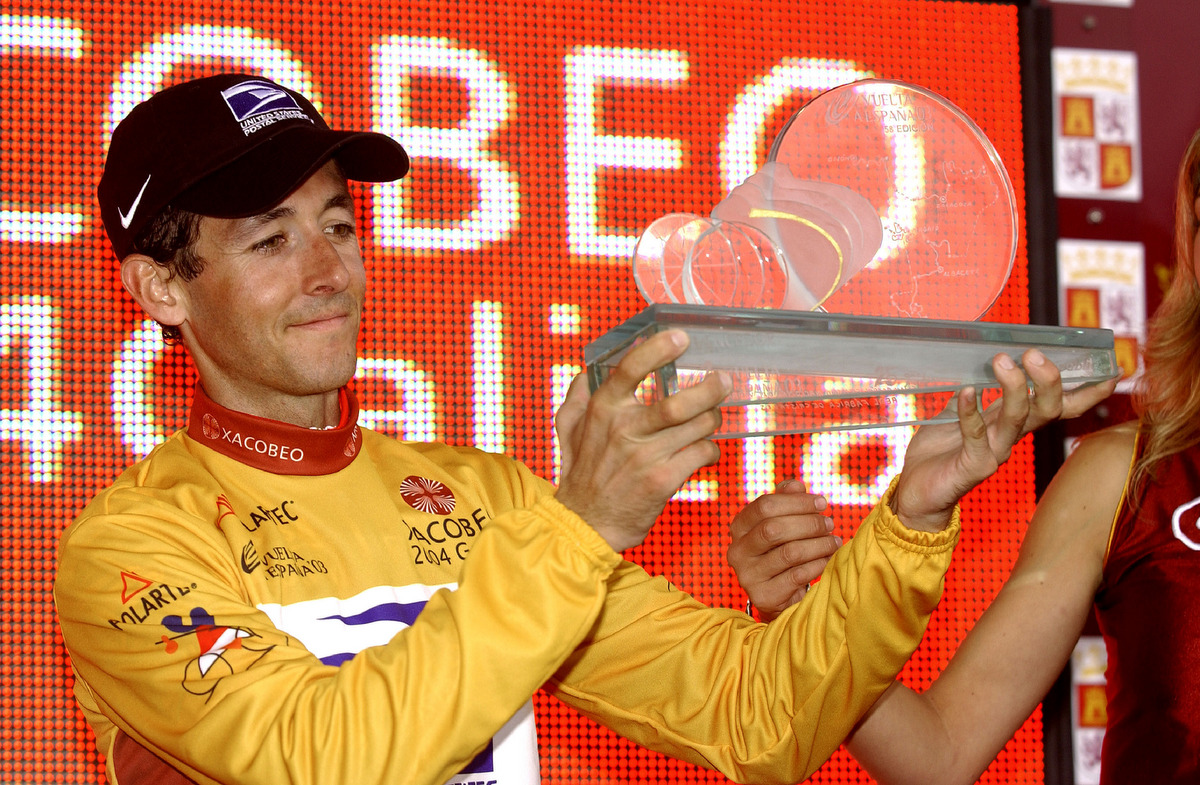
Alberto Contador may have raced La Vuelta only five times, but his strike rate is astonishing: three wins from his first three starts, always finishing inside the top five overall. Known for his fearless attacks and unshakable will, Contador made the Vuelta his personal comeback stage — both literally and figuratively.
His debut in 2008 came after Astana was barred from the Tour de France, forcing him to target Spain instead. Contador wasted no time, taking 4th in the Ciudad Real time trial, 3rd in Andorra and Pla de Beret, and 5th in Suances. Then came his crowning moment: a win on Alto de l’Angliru to seize red, followed the next day by victory at Fuentes de Invierno. By the time he took 2nd in the Alto de Navacerrada time trial, the title was his — ahead of Levi Leipheimer and Carlos Sastre.
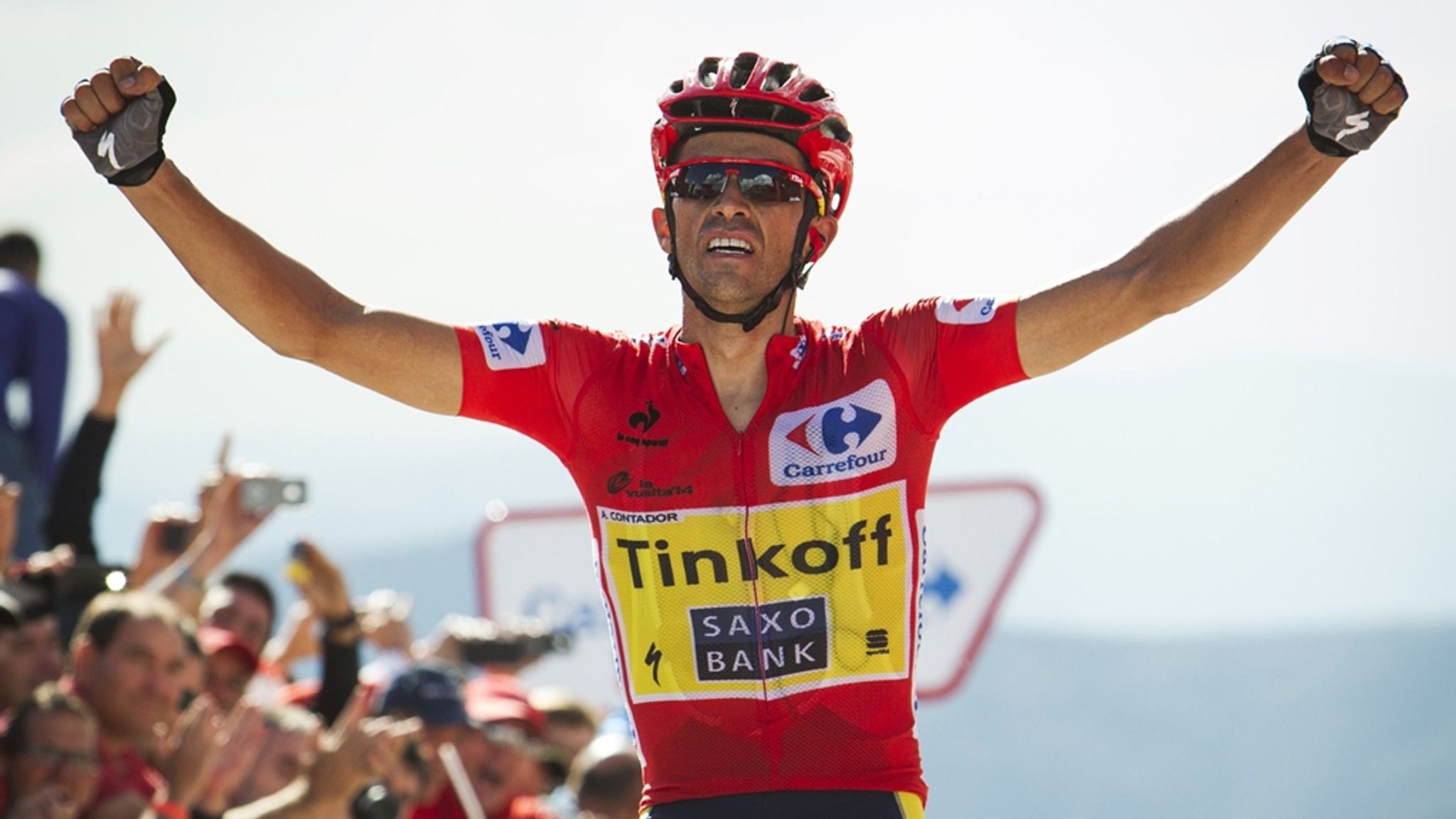
In 2012, returning from a suspension, Contador starred in what many call the greatest Vuelta ever. He placed 4th in Eibar and Jaca, 3rd in Andorra (Collada de la Gallina), 2nd in the Pontevedra time trial, and twice more at Dumbría and Puerto de Ancares. His audacious attack to Fuente Dé stunned rivals and fans alike, propelling him to victory over Alejandro Valverde, Joaquim “Purito” Rodríguez, and Chris Froome.
Two years later, in 2014, he defied expectations again. After a Tour de France crash, he was supposedly short of form — yet took the lead with 4th in the opening time trial. He stayed consistent through tough mountain days, then delivered decisive wins at Lagos de Somiedo and Puerto de Ancares to outduel Froome.
His final Vuelta podium came in spirit, if not in position. In 2017, his farewell season, Contador attacked the Angliru one last time for a stage win, finishing 5th overall — a champion’s exit in every sense.
Primož Roglič – The Modern Master
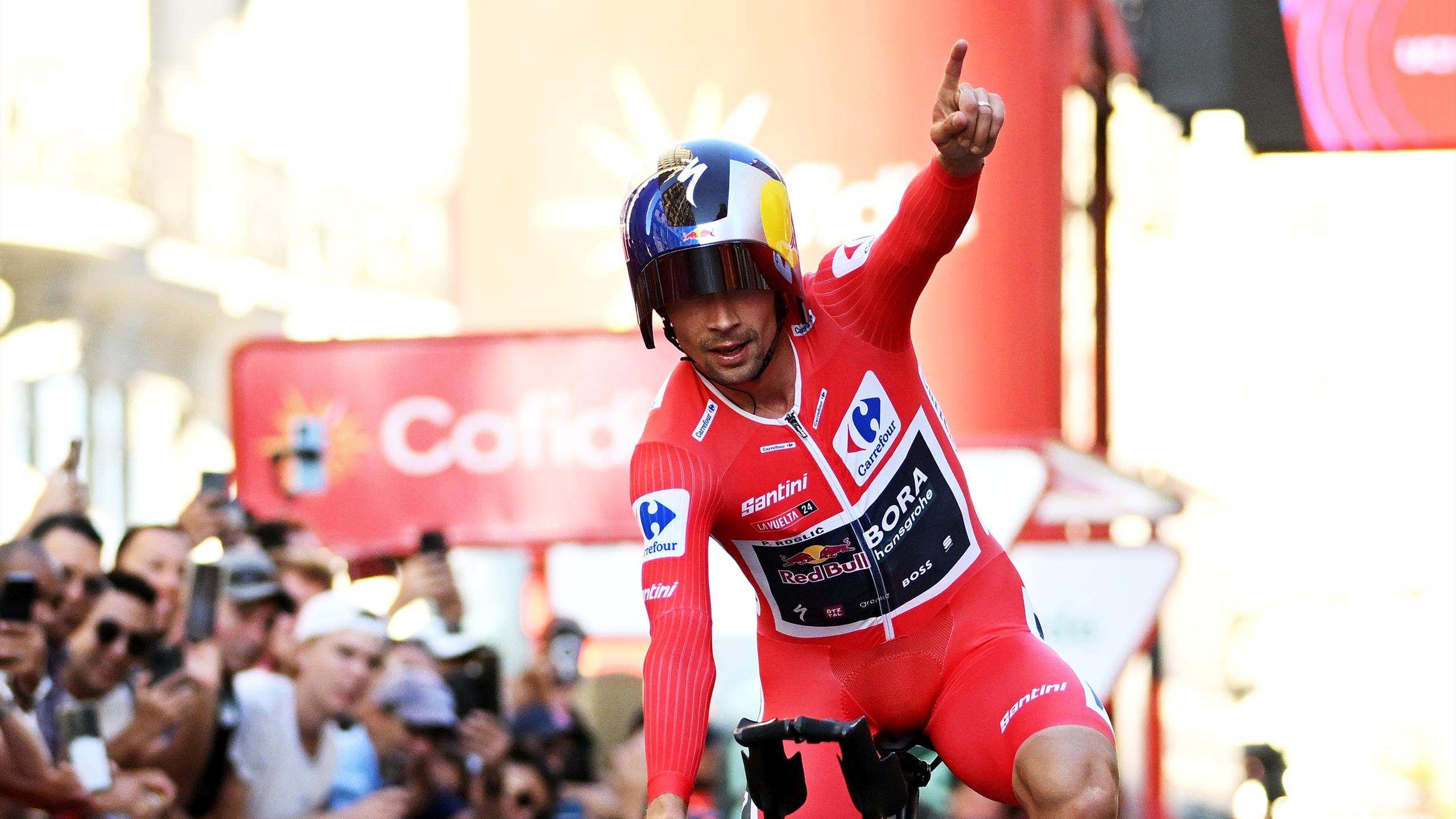
From ski jumper to Grand Tour dominator, Primož Roglič has rewritten the Vuelta record books in the modern era. Between 2019 and 2024, he started six straight editions, winning four — tying Heras’s record — and never finishing outside the top three when he completed the race.
His breakthrough came in 2019, with a dominant time trial win in Pau and podium finishes across key mountain stages. He wore red from early on, resisting every attack to claim his first Vuelta ahead of Alejandro Valverde and a young Tadej Pogačar.
In 2020, Roglič’s consistency shone. Opening with a win in Arrate, he briefly lost the jersey but reclaimed it on Alto de Moncalvillo. Further wins in Suances and the Mirador de Ézaro time trial secured back-to-back titles, despite late pressure from Richard Carapaz.
2021 was perhaps his most commanding performance, mixing mountain victories — including Lagos de Covadonga — with time trial dominance. Even in 2022, when a crash forced him out while 2nd in GC, he had already left his mark with strong stage results.
In 2023, team tactics saw him finish 3rd behind Sepp Kuss and Jonas Vingegaard, despite wins at Xorret de Catí and Alto de l’Angliru. Then in 2024, in new colors with Red Bull – BORA – hansgrohe, Roglič took three stage wins, including Pico Villuercas and Moncalvillo, to claim his fourth title, sealing his status among the Vuelta’s immortals.
Special Mentions – Legends Beyond the Big Three
While Heras, Contador, and Roglič dominate the win column, Tony Rominger remains a towering figure with three consecutive titles in the 1990s, a feat unmatched for sheer dominance over multiple years.
Earlier decades produced their own giants. Gustaaf Deloor, winner of the first two Vueltas in 1935 and 1936, set the tone for international prestige. Julián Berrendero, with victories in the 1940s, became a symbol of resilience in post-war Spain.
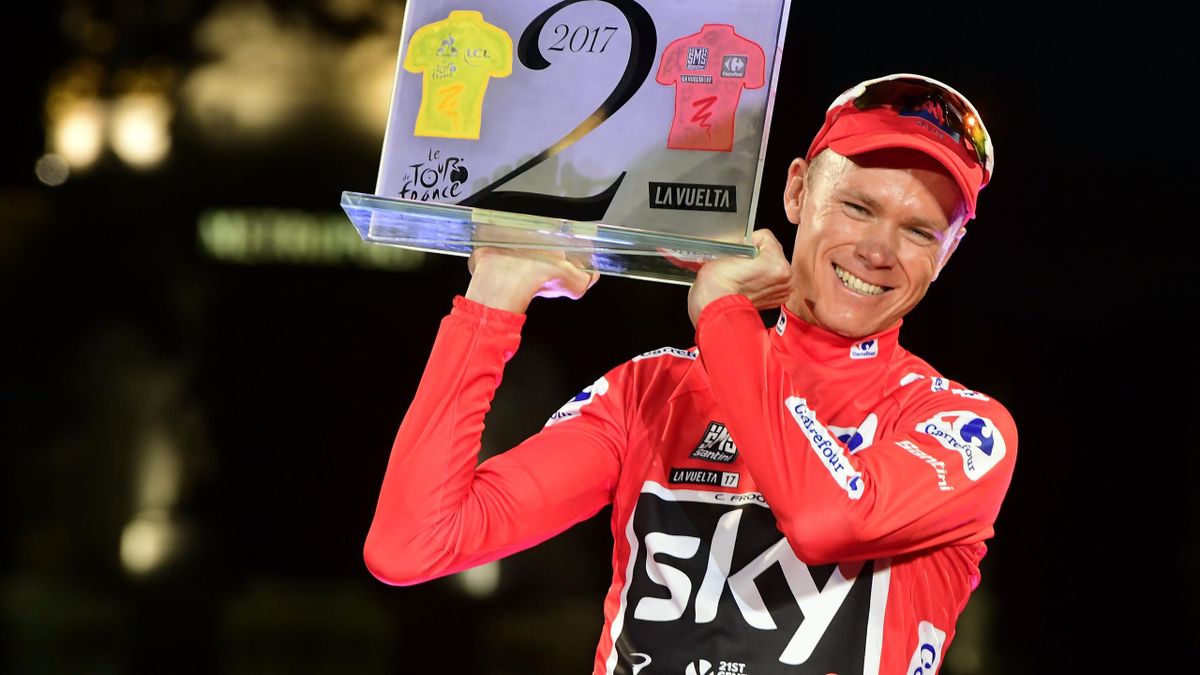
Names like José Manuel Fuente, Bernard Hinault, Pedro Delgado, and Chris Froome — each with two titles — remind us that greatness isn’t measured only in totals, but in the manner of victory. Alejandro Valverde, despite only one overall win, amassed more podiums than any other one-time champion, showing unmatched longevity.
And for pure stage-hunting brilliance, no one tops Delio Rodríguez, whose 39 stage wins are nearly double the next best tally. Riders like Laurent Jalabert, Sean Kelly, and John Degenkolb added sprinting and classics-style flair to the Vuelta’s mountainous soul, proving the race’s versatility in crowning all-rounders.
So, Who Is the Greatest?
The answer may come down to what you value most. Heras holds the record for sheer titles, though his career ended in controversy. Contador delivered unforgettable comebacks and attacking panache, turning each Vuelta into high drama. Roglič, still active, blends clinical efficiency with a knack for seizing decisive moments.
Perhaps the real beauty is that the Vuelta has space for all three legacies — and for the riders yet to come. As the 2025 edition approaches, the debate will rage on, and the mountains of Spain may soon welcome a new name into their pantheon.