
The Tour de France 2026 gives sprinters two battles: stage wins and the green jersey. Bordeaux, Bergerac, Nevers, Chalon-sur-Saône, Voiron and Paris are the obvious targets if the fast teams control the day, but the points classification could be far more tactical than a simple stage-win count.
Seven flat stages, four hilly and eight mountain stages sit between Barcelona on 4th July and Paris on 26th July. The sprinters have clear opportunities, but no easy ride — early Pyrenean pressure, a stage 16 time trial and a brutal Alpine finale all have to be survived first.
Two intermediate sprints on the flat stages could shape the outcome further. If that format holds, green becomes less about one rider dominating a handful of finishes and more about repeated daily accumulation. Speed alone will not be enough.
How Does the Tour de France Green Jersey Work?
The green jersey is the Tour de France points classification. Riders score points at stage finishes and at intermediate sprints during normal road stages. Flat stages carry the biggest finish-line rewards, which is why the competition is traditionally targeted by sprinters.
The basic idea is simple: the rider with the most points wears green. The reality is more complicated. A pure sprinter can win stages and still lose the competition if they miss intermediate points, struggle through the mountains, abandon, or fail to place consistently when a sprint becomes disorganised.
The best green jersey contenders usually combine four qualities: they can win flat bunch sprints; they can place consistently even when they do not win; they can survive the mountains inside the time limit; and they are willing to fight for intermediate sprint points throughout each stage.
ASO has also adjusted the points system for 2026. Flat stage winners now earn 70 points, up from 50, while second place rises to 50 and third to 40. The intention is clear: after Tadej Pogačar came within 78 points of Jonathan Milan’s green jersey in 2025, the organisers have weighted the competition more heavily toward the sprinters who dominate the flattest days. It should, in theory, keep GC riders from accumulating enough points to threaten the classification.
Which Tour de France 2026 Stages Suit the Sprinters?
The seven official flat stages form the backbone of the green jersey battle.
Stage 5 — Lannemezan to Pau (158.3km): The first clear sprint opportunity after early GC pressure. Winning here immediately sets a green jersey reference point.
Stage 7 — Hagetmau to Bordeaux (175.1km): One of the best pure sprint chances of the race. A full bunch sprint here could heavily shape the standings.
Stage 8 — Périgueux to Bergerac (180.4km): A second consecutive sprint opportunity that rewards teams with depth. If a rider wins both Bordeaux and Bergerac, the jersey battle changes quickly.
Stage 11 — Vichy to Nevers (161.3km): A flat stage after the first rest day, with enough terrain to keep the race active before the line.
Stage 12 — Circuit Nevers Magny-Cours to Chalon-sur-Saône (179.1km): Another major chance before the route tilts toward the Vosges and Alps. Teams chasing green cannot afford to miss this one.
Stage 17 — Chambéry to Voiron (174.7km): Possibly the most interesting sprint stage. Earlier terrain before a flatter finale could reward tougher sprinters and punish those fading after two hard weeks.
Stage 21 — Thoiry to Paris Champs-Élysées (133km): The final sprint in Paris could still decide green if the points gap is close entering the last day.
The sprint stages are spread out. There is no soft opening sequence where the fast men collect several easy chances before the climbers take over. Stage 1 is a team time trial. Stage 2 finishes around Montjuïc in Barcelona. Stage 3 already heads to Les Angles in the Pyrenees. The sprinters have to earn every point.
Why the 2026 Green Jersey Battle Could Be Different
Three strategic routes exist to winning the classification.
The Power Sprinter Strategy is the most direct: win the biggest bunch sprints, score heavily on flat finishes and use team strength to collect intermediate points. Jasper Philipsen is the clearest fit for this approach in the absence of Jonathan Milan, who is racing the Giro d’Italia instead.
The Consistency Strategy is about winning when possible but also finishing second, third or fourth when the sprint does not go perfectly. Mads Pedersen fits this profile. He will not overpower Philipsen or Merlier in a pure drag race, but he can keep scoring on days that do not suit pure bunch sprinters.
The Versatile Scorer Strategy relies on collecting points across a wider range of stages: flat days, hilly finishes, intermediate sprints and any day where the terrain breaks the field before the line. Biniam Girmay and Arnaud De Lie are the two riders who can make this work most effectively in 2026.
Tour de France 2026 Green Jersey Rankings
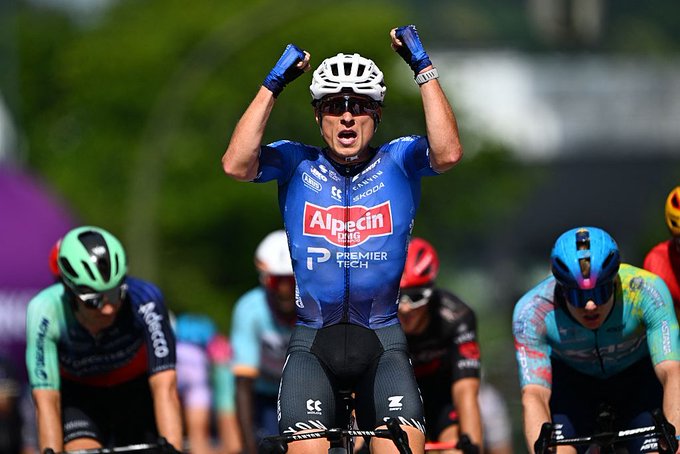
1. Jasper Philipsen
Source: https://x.com/Cyclingnewsfeed
Philipsen is the outright favourite and the most complete green jersey candidate in the race. He has already won the classification, he knows how to manage three weeks of pressure, and he arrives with Alpecin-Premier Tech’s sprint train — one of the most organised lead-out structures in the peloton. The new points system, which awards 70 points on flat stages, suits his profile directly. His biggest threat is not one rival but the collective weight of Merlier, Girmay, Pedersen and De Lie all chasing different scoring opportunities across 21 stages. If he handles the mountains and keeps scoring when he does not win, he is very difficult to beat.
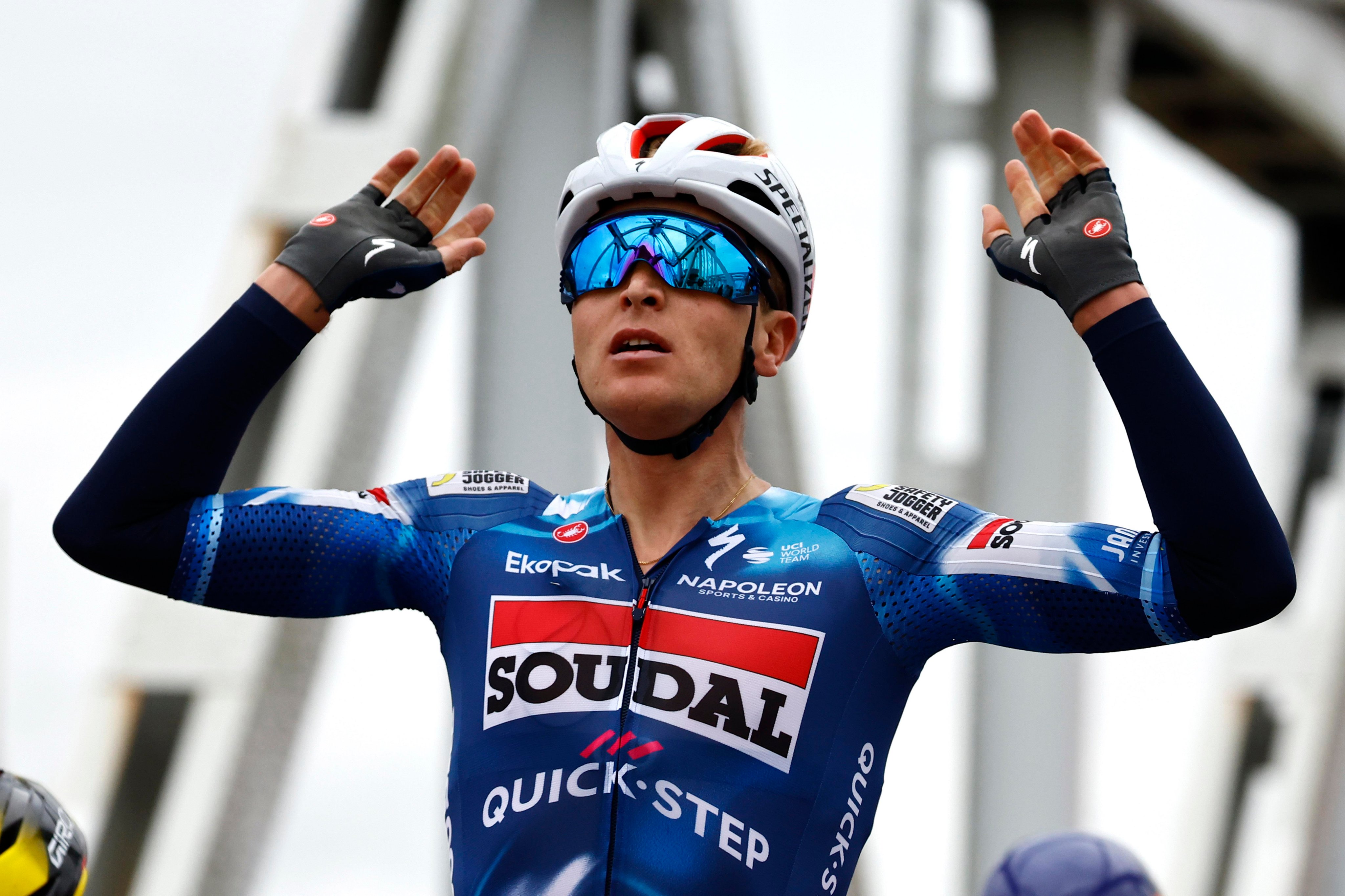
2. Tim Merlier
Source: https://x.com/soudalquickstep
Merlier may be the fastest pure sprinter in the race in a straight-line finish. On clean, controlled sprint days, very few riders can match his top speed. The question, as always with Merlier, is accumulation across three weeks. He is returning from injury, which introduces a small uncertainty over his endurance, but when healthy, his natural pace is a different level. On the flat stages in Bordeaux, Nevers and Chalon-sur-Saône, he is a stage win favourite outright. Whether Soudal Quick-Step commit to a full points campaign or focus primarily on stages will shape how dangerous he becomes in the classification.
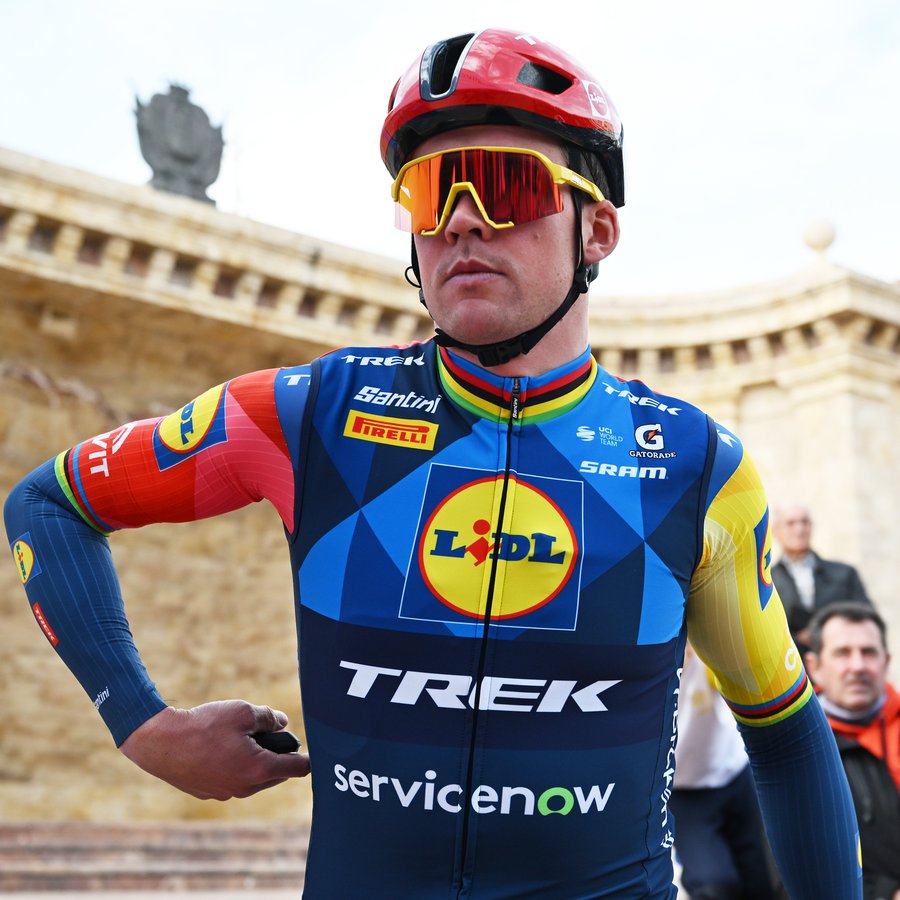
3. Mads Pedersen
Source: https://x.com/cyclingontnt
Pedersen takes over the Lidl-Trek sprint leadership from Jonathan Milan — who is at the Giro d’Italia instead — and arrives with a clear stated ambition to win the green jersey and complete his Grand Tour points classification set. He already holds the Giro and Vuelta equivalents. His style sits between a classics sprinter and a one-day powerhouse, which means he can score on stages where Merlier or Philipsen might find the terrain too punishing before the finish. The difficulty is that the revised points system, with its heavy weighting on flat stage finishes, was not designed with him in mind — Pedersen has acknowledged as much. He will need to be creative with intermediate sprints and tougher days to compensate. His build-up has also been disrupted by a broken wrist in February, adding a fitness question mark. The green jersey goal is genuine; the route just makes it harder than it would have been under the old system.
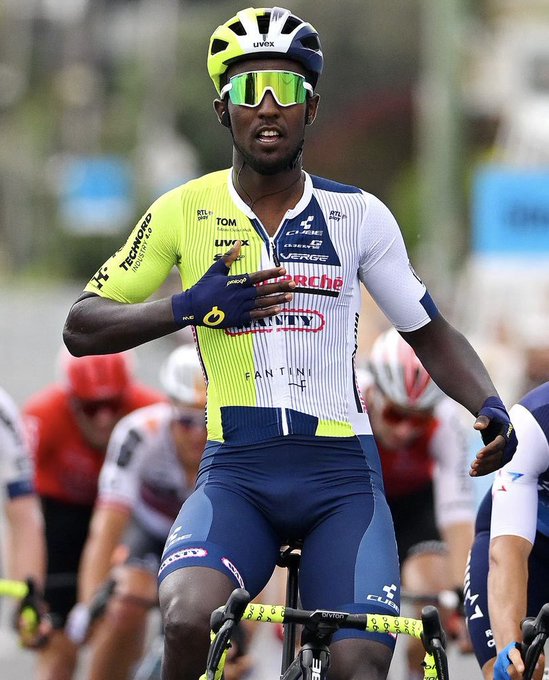
4. Biniam Girmay
Source: https://x.com/GrmayeBiniam
Girmay is one of the most interesting contenders because he does not need every stage to be pan-flat. He can sprint, handle rolling terrain and profit when pure fast men lose contact before the finish. That makes him especially relevant in a Tour with four hilly stages and several flat days that still contain obstacles. His green jersey path is different from Philipsen or Merlier: he may not dominate the cleanest drag-race finishes, but he can score in more varied situations. If the three pure sprinters split the flattest stages between them while Girmay picks up points on harder days and at intermediate sprints, the classification can tilt toward him across three weeks.
5. Arnaud De Lie
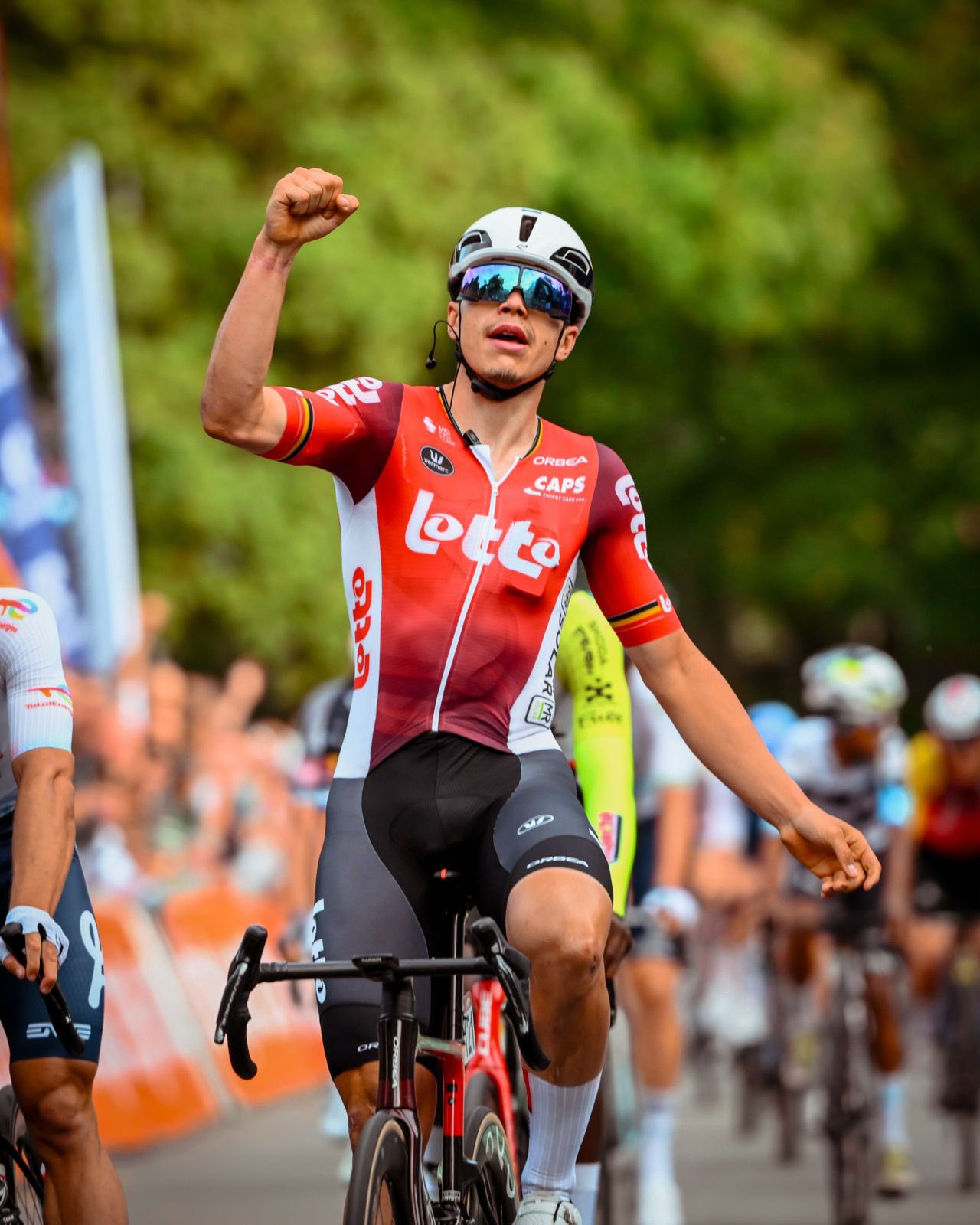
Source: https://x.com/Arnaud_De_Lie
De Lie becomes more interesting precisely because the Tour is not only about flat speed. He has the strength for harder days, the power for reduced sprints and the racing instinct to take points when a stage becomes physically demanding before the line. On a perfectly organised flat sprint, Philipsen and Merlier likely have a cleaner finishing profile. But De Lie’s ability to stay relevant when the race gets harder — late climbs, crosswinds, lumpy terrain — gives him a realistic route into the competition. His challenge is turning that potential into repeated daily scoring. Green is possible for a rider of his style, but it requires discipline across the full three weeks, not just isolated bursts on selective days.
6. Olav Kooij
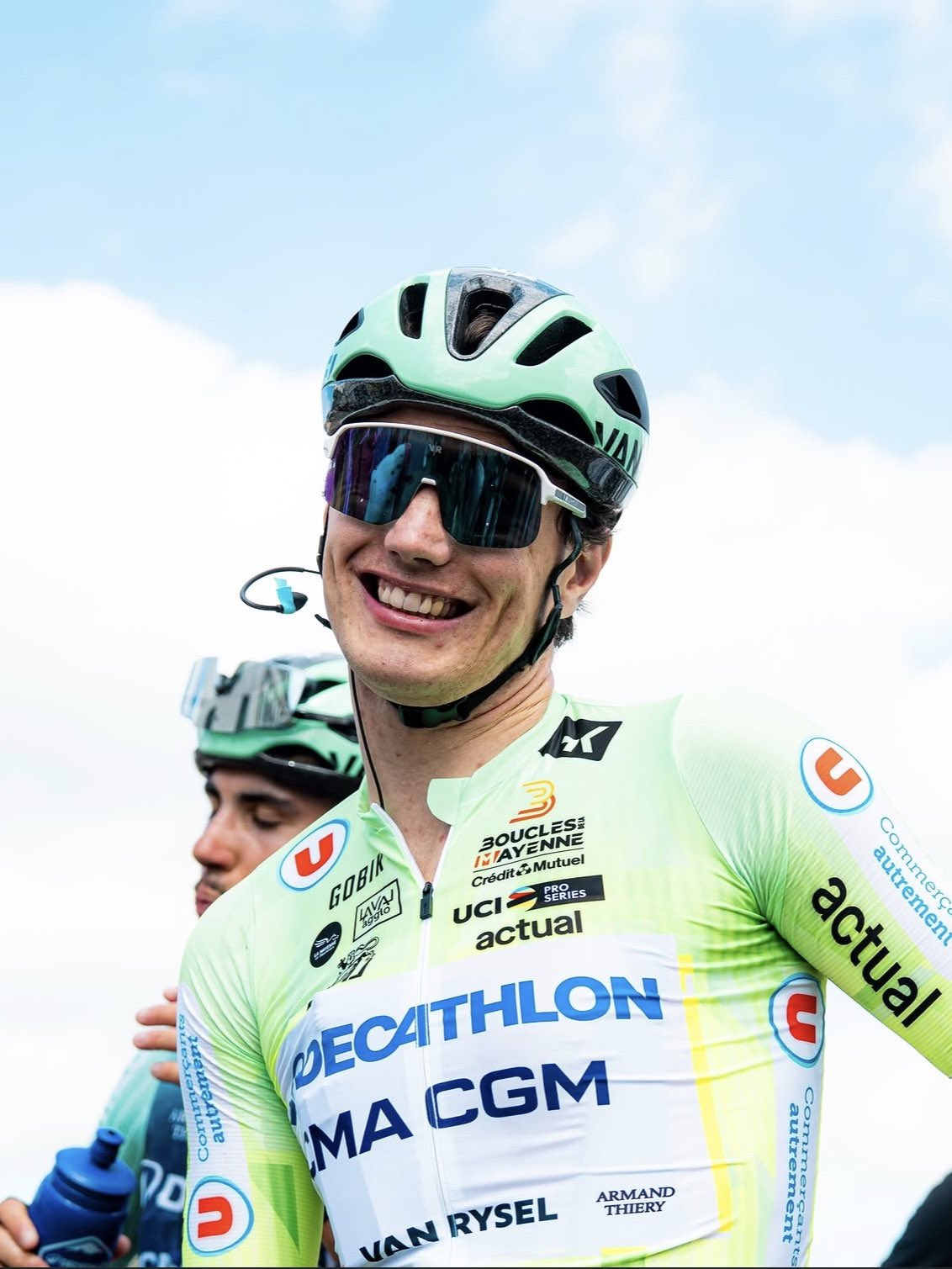
Source: https://x.com/lucxsronald
Kooij has the outright speed to win on the biggest sprint days, but arrives with two question marks. The first is fitness after persistent injury problems in the build-up to the race. The second is team context — Decathlon CMA CGM’s Tour is built around Paul Seixas for GC, which may limit how much the team invests in intermediate sprint positioning and lead-out work on flat stages. At his best, Kooij is one of the fastest finishers in the world. Right now, the uncertainty keeps him in the middle tier. He could rise quickly if both issues resolve.
7. Bryan Coquard
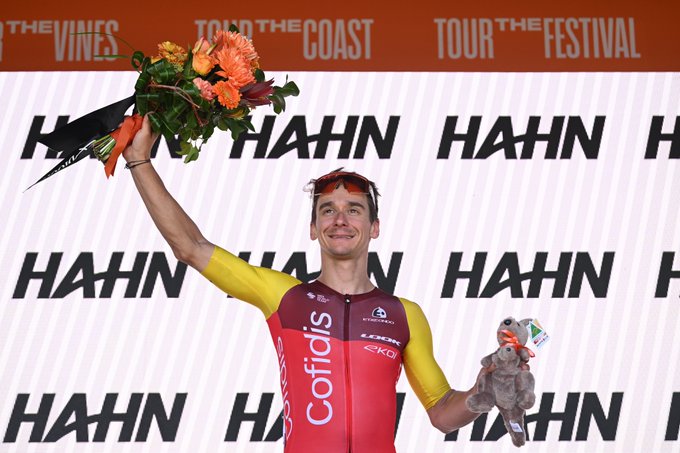
Source: https://x.com/TeamCOFIDIS
Coquard is not the fastest pure sprinter in this field, but he is exactly the kind of rider who complicates the green jersey battle. He has the experience, positioning instinct and ability to keep scoring on days that do not suit the biggest sprint names. His best chances are not the cleanest flat finishes — it is the stages that become scrappier, the reduced sprints and the days where lead-out trains break apart under pressure. Cofidis have every reason to keep him active on sprint stages, and his reliability makes him a natural focus point for the team across three weeks. His ceiling is probably a stage win or a steady run of placings rather than green in Paris, but he can take meaningful points from the riders above him.
8. Kaden Groves
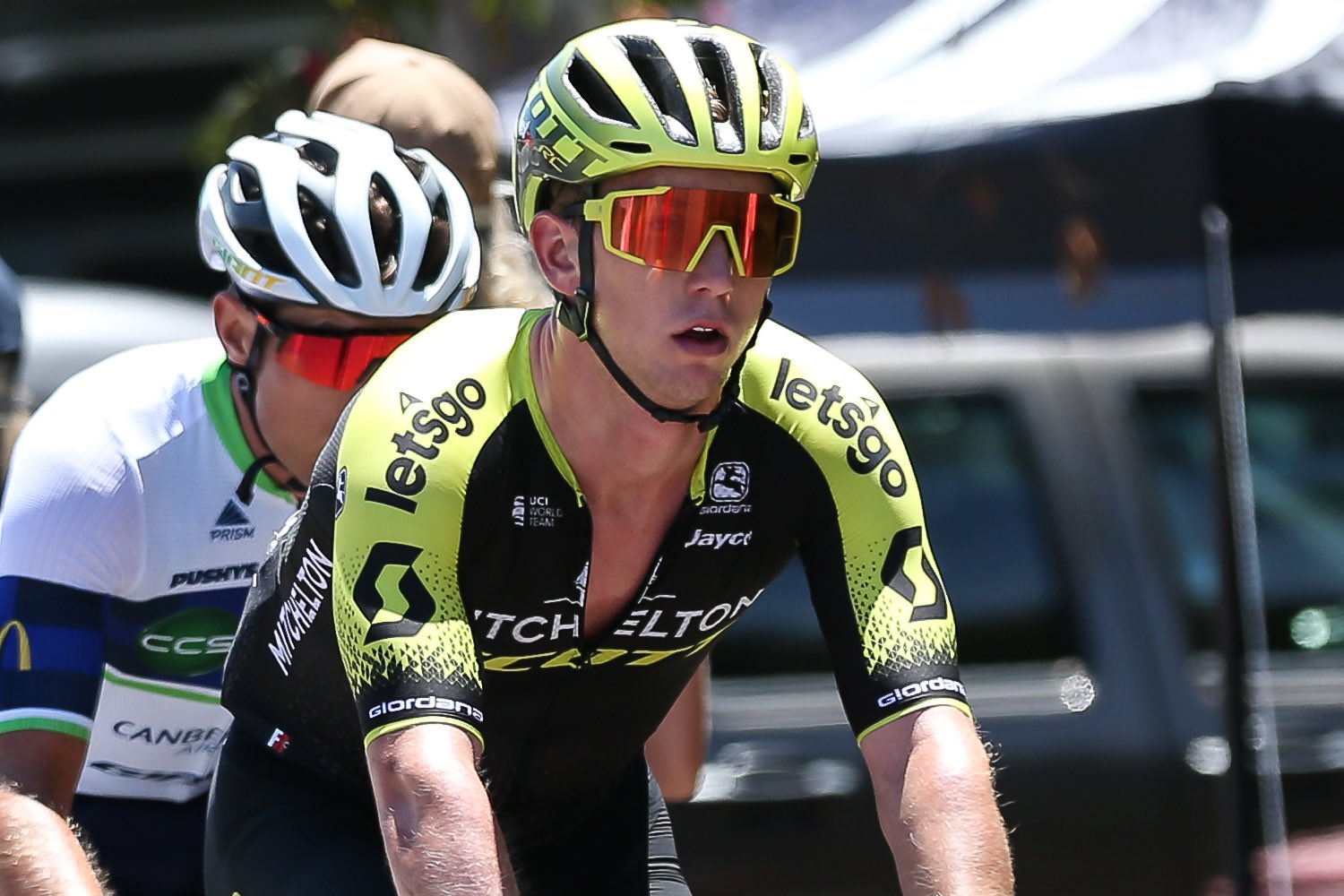
Source: https://x.com/GreenEDGEteam
Groves fits this Tour better than a purely flat edition because he can handle more than a straightforward drag race. His real value in a green jersey context is the ability to score on harder sprint days, reduced finishes and stages where the terrain trims the field before the finale. His route to points would not come from dominating Philipsen or Merlier on the cleanest days. It would come from consistency: placing well on flat stages, surviving lumpier days better than some pure sprinters and picking up intermediate points when the race is harder to control. Stage 17 to Voiron is the kind of day that could suit him better than anyone expects.
9. Dorian Godon
Source: https://x.com/LeCyclismeFRA
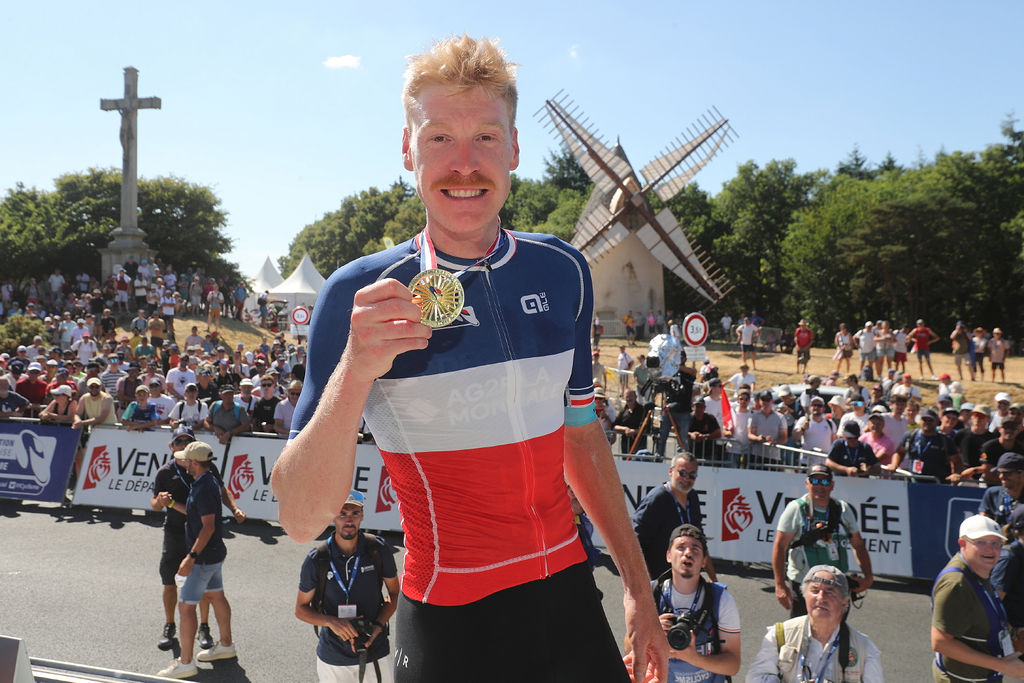
Godon is not a pure sprinter, but he is exactly the kind of versatile fast finisher who can complicate a points competition. Racing for INEOS Grenadiers, he has shown across 2026 that his form is genuine — stage wins at Paris-Nice, the Volta a Catalunya and Tour de Romandie confirm he can finish among the fastest in a reduced group. His best opportunities will come on days that are too hard for the pure bunch sprinters but not hard enough to shed him before the line. Stage 17 to Voiron and any hilly transition stage that arrives with a selective finale could suit him well. Green is well beyond his reach, but stage wins and scattered points are realistic, and those points matter to whoever is chasing the classification above him.
10. Jordi Meeus
Source: https://x.com/RBH_ProCycling
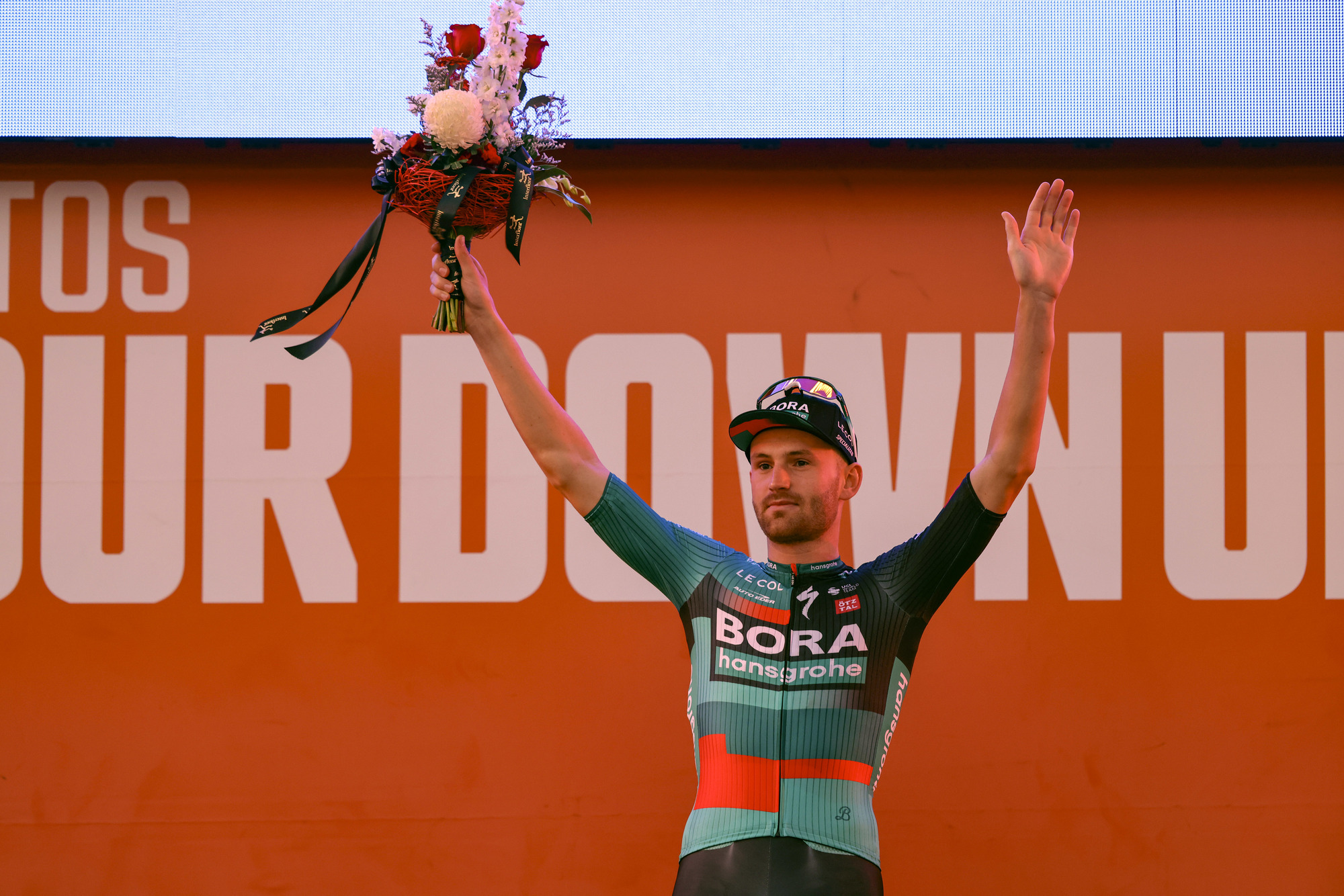
Meeus has already won on the Tour’s biggest sprint stage and that experience matters. He has the finishing speed and timing to take advantage when the favourites hesitate or lead-outs collapse. His green jersey hopes are limited — he is more likely to target selected stage wins than run a full points campaign, particularly if his team has broader priorities. But he is exactly the kind of rider who can ruin a favourite’s perfect day when the sprint becomes chaotic. Paris is the most obvious target. For green he is a long shot. For stage wins, he is far more dangerous than his ranking suggests.
- Also read: Tour de France 2026 Winner Betting Odds
Green Jersey Contender Tiers
Tier 1 — The Main Favourites: Jasper Philipsen and Tim Merlier are the two riders best placed to win the most points across the flat stages. Philipsen has the Tour pedigree and lead-out quality; Merlier has the raw pace. Between them, they will decide most of the flattest days.
Tier 2 — The Consistent Challenger: Mads Pedersen cannot beat Philipsen and Merlier in a pure drag race, but he brings something different: the ability to score on hard days, punchy finishes and intermediate sprints. He has won the points classification at both the Giro and the Vuelta, and he is motivated. His ceiling on this route is lower than it would be on a softer parcours, but he is fully committed.
Tier 3 — The Versatile Scorers: Biniam Girmay and Arnaud De Lie are the most dangerous alternatives if the race becomes selective. Their edge is scoring on days that break the pure sprinters — hilly finales, rough terrain, reduced groups. If the classification is shaped by more than just flat stage finishes, this tier becomes much more relevant.
Tier 4 — The Role-Dependent Contender: Olav Kooij has the quality to influence the classification but needs two things to go right: his fitness after a difficult build-up, and Decathlon committing resources to sprint stages rather than exclusively protecting Paul Seixas for GC. If both resolve, he moves up this list quickly.
Tier 5 — Stage-Win Outsiders: Bryan Coquard, Kaden Groves, Dorian Godon and Jordi Meeus are all capable of taking points from the riders above them on the right day. Godon is the most interesting of the four — his 2026 form is strong and harder sprint stages suit him better than a pure flat finish. The others can complicate the classification without seriously threatening to win it.
Which Teams Have the Best Sprint Set-Ups?
Alpecin-Premier Tech arrive with Philipsen and a proven Tour sprint structure. If the flat stages run to script, this is the best-equipped green jersey team.
Soudal Quick-Step have Merlier as a stage-win weapon, but whether they invest in full points-classification work across all seven flat stages depends on team priorities.
Lidl-Trek have split their sprinting resources between Pedersen at the Tour and Milan at the Giro. Pedersen is the tour sprint leader, sharing the team with GC rider Juan Ayuso, which means resources will not be exclusively focused on green.
NSN Cycling Team can back Girmay for varied sprint opportunities. The stronger the selection, the more relevant he becomes.
Lotto can build around De Lie on days that suit his power, particularly when the terrain is harder before the line.
Verdict: Who Will Win the Green Jersey?
Jasper Philipsen is the best pick for the Tour de France 2026 green jersey. The new points system heavily rewards flat stage wins, and Alpecin-Premier Tech have the infrastructure to chase the classification properly. Philipsen has won it before, and the route gives him enough flat days to build a commanding lead if he performs consistently.
Tim Merlier is the greatest direct threat on the fastest days. If he is fully fit and Soudal Quick-Step commit to the classification, he can challenge Philipsen stage by stage across the flattest week of the race.
Mads Pedersen is the most interesting wildcard. He has never won the Tour green jersey, and this route is not ideally suited to his strengths, but he is motivated, experienced and capable of scoring in ways the pure sprinters cannot match.
The danger to all of them comes from Girmay and De Lie on days the race becomes harder. If the classification is not settled by the time the Vosges and Alps arrive, anything is possible.
Prediction: Jasper Philipsen.