
For the first time in history, the UCI Road World Championships are headed to Africa. Rwanda, the so-called “land of a thousand hills,” takes center stage this September, and Kigali will become the crucible where cycling’s strongest men fight for the rainbow jersey.
The raw stats alone are frightening: 267.5 kilometers of racing, close to 5,500 meters of climbing, and a base altitude of nearly 1,800 meters. Imagine combining a tough Ardennes classic, a mountain stage of the Tour de France, and a slice of Roubaix cobbles — then throwing the whole thing above the clouds. Riders won’t just need legs. They’ll need lungs that can handle thin air, bikes tuned for punishing cobblestones, and the composure to survive lap after lap of relentless terrain.
This isn’t going to be a world championship where sprinters hide until the last kilometer. It’s survival of the fittest. And the last one standing will wear the rainbow bands knowing they earned it on some of the hardest roads ever used for a Worlds.
Course Technical Breakdown
Technical Course Analysis
The men’s elite road race is a monster: 267.5 kilometers with fifteen laps of the Kigali circuit plus an extra detour mid-race that drags the peloton up Mount Kigali. No long flat roads, no generous recovery. Just loops of sharp climbs, cobbled walls, and twisting descents.
- Côte de Kigali Golf — 800 meters, average gradient 8%. Short, savage, and repeated enough times to burn through any rider’s glycogen stores.
- Côte de Kimihurura — 1.3 kilometers, average 6%, on cobbles. The kind of climb where positioning before the turn matters more than watts.
- Côte de Péage — nearly 2 km, steady at 6%. Not brutal alone, but punishing when stacked into a circuit.
- Mount Kigali — the long one, 5.9 km at nearly 7%. A climb that forces sustained effort at altitude, draining even the strongest riders.
- The Wall of Kigali — 400 meters at 11% on cobbles. It’s short. It’s brutal. It’s iconic. Expect chaos here.
The finish doesn’t come after a flat drag race. The final kilometer rises at around 4%, just after the cobbles. Whoever still has legs will be sprinting uphill with lactic acid searing through them.

Elevation Profile Deep Dive
Add it up: about 5,475 meters of climbing. That’s more than some Tour de France mountain stages, but packed into circuits that never let you settle. Altitude complicates things further. At nearly 1,800 meters, oxygen availability is reduced. Push too hard early, and the price will be paid tenfold later. Recovery between climbs is slower, descents feel less restorative, and a rider’s fuel tank empties faster than usual.
This isn’t like the Alps with 20-km climbs and long valley roads. It’s a meat grinder. Short climbs stacked one after another, cobbles shaking the legs, altitude biting at the lungs. Fatigue builds silently until it’s too late.
92nd World Championships ME – Road Race Odds
| Rider | Odds |
|---|---|
| Pogacar, Tadej | 1.33 |
| Evenepoel, Remco | 8.00 |
| Del Toro Romero, Isaac | 10.00 |
| Pidcock, Thomas | 17.00 |
| Healy, Ben | 35.00 |
| Roglic, Primoz | 35.00 |
| Ayuso Pesquera, Juan | 35.00 |
| Carapaz, Richard | 35.00 |
| Skjelmose Jensen, Mattias | 35.00 |
| Vine, Jay | 40.00 |
| Alaphilippe, Julian | 50.00 |
| Christen, Jan | 80.00 |
| Sivakov, Pavel | 80.00 |
| Ciccone, Giulio | 100.00 |
| Matthews, Michael | 100.00 |
| Narvaez, Jhonatan | 100.00 |
Voices from the Peloton
Some riders are wary. Biniam Girmay admitted the course worried him: “They need me there,” he said, half-joking, half-resigned. Domen Novak, a key teammate for Pogačar, admitted: “You feel the pressure, but feel proud, too.” And Ashleigh Moolman-Pasio — speaking from experience on African terrain — summed it up: the course favors explosive climbers with excellent bike handling, but anyone ignoring altitude preparation is doomed.
Unique Challenge Sections
Altitude & Cumulative Fatigue
Altitude is the silent killer here. Kigali sits at nearly 1,850 meters, and with climbs peaking a bit higher, every watt costs more oxygen. Riders used to training at sea level will feel the difference almost immediately. Muscles burn quicker, recovery between efforts is slower.
This is compounded by the sheer volume of climbing: 5,500 meters is relentless. It’s not just one decisive col — it’s death by a thousand cuts. Every lap, another climb chips away. Every cobbled ramp grinds down the legs.
Coaches have already warned: don’t expect a big bunch at the finish. Some predict only 20 or so riders might survive to contest the finale. It could be a race of attrition where names fall off one by one until just a handful remain.
Cobbles and Technical Terrain
As if the altitude and climbs weren’t enough, Kigali’s cobbles are sprinkled into the mix. The Wall of Kigali is a vicious 400-meter segment averaging 11%, but its steepness is only half the story. The stones are uneven, traction varies, and if rain falls, they’ll be treacherous.
Then there’s the Kimihurura climb — 1.3 km of cobbles at a nasty gradient, placed right near the finish. Positioning before the corner is critical: get boxed in, and you’re cooked.
Teams will obsess over equipment: wider tires for grip, lower gears for steep ramps, brakes sharp enough for wet cobbles. This is not a course for pure climbers who hate the classics. Riders with Flanders and Strade Bianche experience will feel at home.
Race Dynamics & Tactical Selection
With circuits repeating over and over, every rider knows where the pain points lie. That creates a strange tension: nobody wants to burn their matches too early, yet waiting too long risks missing the decisive split.
Expect attrition to begin early. Domestiques will be gone halfway through. The pace will rise lap after lap, and only those who can sustain repeated high-end efforts will last.
The decisive moves? Likely on the final ascents of Mount Kigali or Kimihurura. A rider who can attack over cobbles then hammer a reduced sprint could seal it. A long-range solo move is possible, but only if the chasers hesitate.
Strategic Variables
Preparation Strategies
Altitude camps are non-negotiable. Riders who arrive in Kigali just days before will suffocate. Teams will build training blocks at 2,000 meters, simulating repeated climbs with minimal recovery.
Bike setup is another battlefield: do you run slightly fatter tires to survive cobbles, knowing it costs rolling resistance on smoother roads? Do you gear low for steep walls, or risk getting bogged down? Every detail matters.
Nutrition may even decide the race. With nearly 6,000 meters of climbing, glycogen burn is massive. Riders who mistime feeding will simply run out of fuel before the finale.
Field Composition Impact
This course kills off the sprinters. It’s not a route for them, not even close. Pure climbers might also suffer — cobbles and repeated punchy efforts will blunt their edge. The winner must be a hybrid: a puncheur-climber who thrives on chaos.
Nations with depth — Slovenia, Belgium, Spain — can dictate tempo and protect leaders. Smaller nations may gamble on breakaways, hoping attrition and tactical hesitation hand them a miracle.
Local Factors & Crowd Influence
Africa has never hosted a Worlds before, and the crowds will be ferocious. Kigali is expected to turn out en masse, lining cobbled climbs and roaring on every attack. Home and regional riders will draw energy from that atmosphere, even if they’re not favorites to win.
Weather could play spoiler. September in Kigali can bring sunshine, but also sudden downpours. Rain on cobbles would create chaos — crashes, punctures, shattered groups. If it stays dry, the race will be brutally hard but less random.

Predictions & Conclusion
So who wins?
This race screams for someone versatile. A climber who can punch, who doesn’t fear cobbles, who has a sprint in the legs after six hours at altitude.
Tadej Pogačar ticks every box. Defending champion, best all-rounder in the world, capable of winning on almost any terrain. But he won’t have it easy. Remco Evenepoel, with his diesel engine and killer instinct for long solo attacks, is another obvious candidate. Tom Pidcock lurks as a dark horse — technical descender, cobbles experience, explosive punch. Riders like Juan Ayuso or Mattias Skjelmose could also thrive here.
And then there’s the emotional story: Biniam Girmay, representing Eritrea and African cycling on home soil. Even if the course looks too severe for him to win outright, imagine the scenes if he’s still there in the finale.
What’s certain is that this won’t be a cagey race decided by a late sprint. Attrition will whittle down the peloton, altitude will steal the legs, and the cobbles will crush those who hesitate. By the final lap, there may be fewer than thirty riders still in the fight.
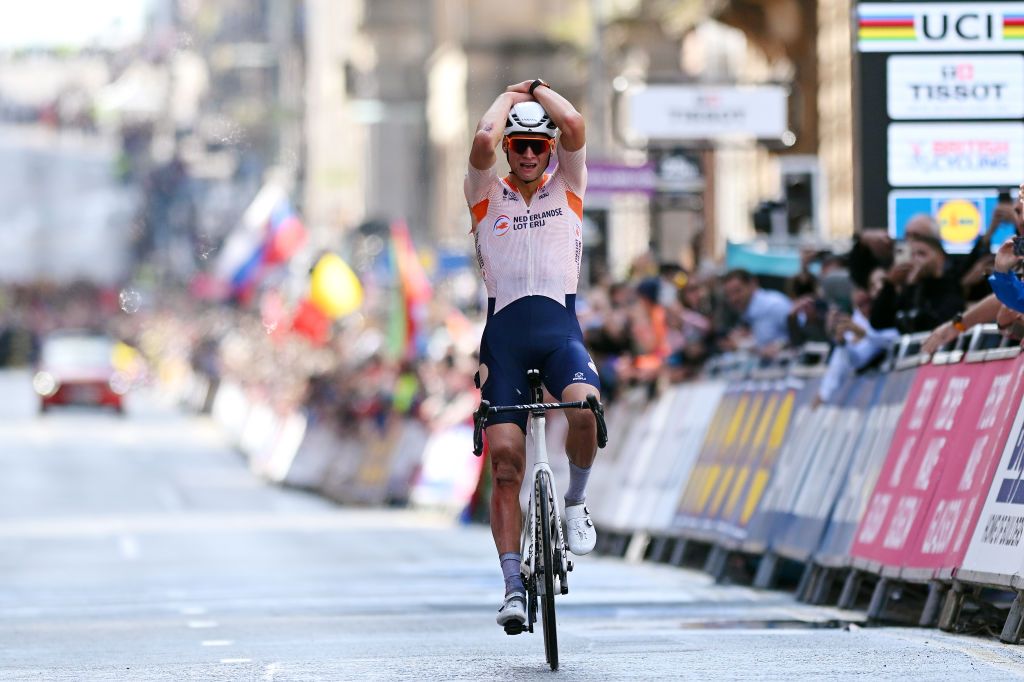
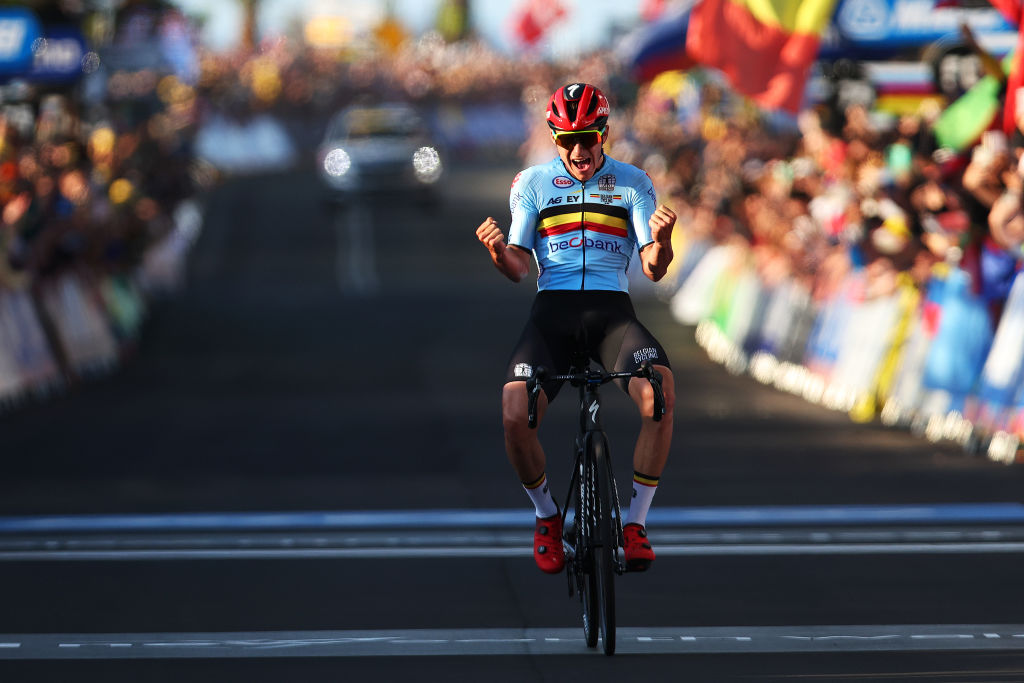
The rainbow jersey will go to a warrior, not just a fast man. And whoever lifts their arms in Kigali won’t just win a race — they’ll write a chapter in cycling history, proving that Rwanda delivered the hardest, most unpredictable Worlds we’ve seen in years.