 Alex MacQuoid
By 2025, an exclusive circle of sports club owners is set to redefine global athletics, boasting a collective fortune that, despite market adjustments, surpasses $500 billion. These powerhouse figures not only back elite teams across various sports but also utilize their expansive business ventures to transform the financial framework of the sporting world. This updated analysis presents each profile with the most recent wealth estimates and an enhanced ranking that captures the latest trends and business performance.
Richest Sports Club Owners: Ranked
This updated ranking features revised figures that align more closely with current market realities, repositioning individuals based on the latest wealth estimates and the changing value of their sports assets.

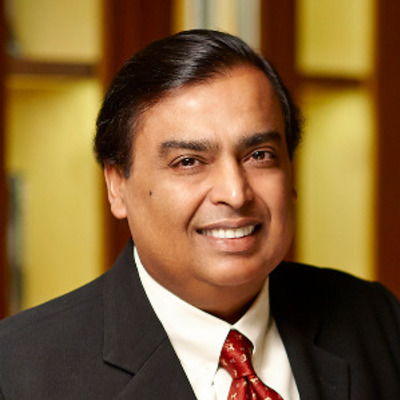
1. Mukesh Ambani – Mumbai Indians
Wealth: Approximately $120 billion
Sport: Cricket (IPL)
As chairman of Reliance Industries, Mukesh Ambani’s diversified portfolio spans petrochemicals, telecommunications, and retail. His strategic leadership over the Mumbai Indians has not only made the franchise a powerhouse in the IPL but also showcased how a synergy between corporate might and sports investment can elevate a brand globally.
Key Update: Recent market trends have boosted Reliance’s valuation, and Ambani’s fortune has been revised upward, securing his place at the top of this list.
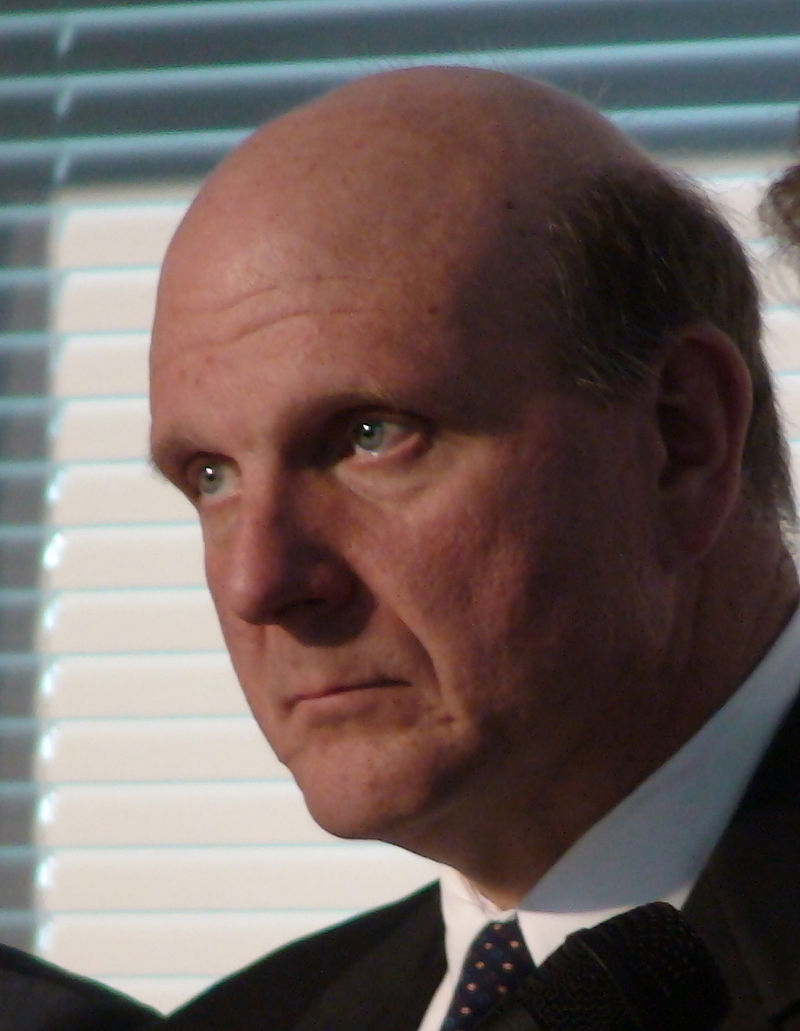
2. Steve Ballmer – Los Angeles Clippers
Wealth: Approximately $100 billion
Sport: Basketball (NBA)
Once celebrated for his transformative leadership at Microsoft, Steve Ballmer’s journey into sports began with his landmark 2014 purchase of the Los Angeles Clippers. Although earlier estimates placed his wealth even higher, recent recalibrations now suggest around $100 billion—still positioning him as a dominant force in sports ownership.
Key Update: Ballmer’s wealth has been moderated with updated tech market valuations, reflecting a solid but slightly lower figure than previous estimates.
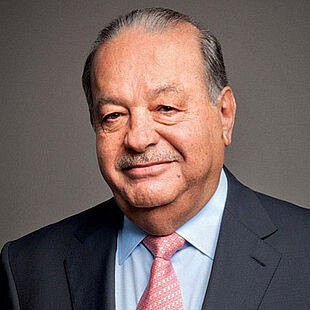
3. Carlos Slim – Real Oviedo
Sport: Football
Wealth: Approximately $90 billion
Carlos Slim, the Mexican telecommunications magnate, made headlines with his intervention in European football by rescuing Real Oviedo during a financial crisis. While his extensive holdings in telecom, technology, and finance continue to drive his fortunes, our revised estimates place his wealth near the $90 billion mark.
Key Update: The recalibration mirrors current regional market conditions in Latin America and updated performance metrics from Slim’s diversified empire.
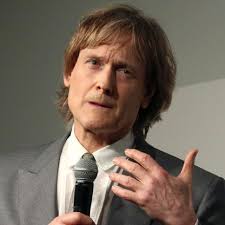
4. David Thomson – Winnipeg Jets & Manitoba Moose
Wealth: Approximately $65 billion
Sport: Hockey (NHL)
The Canadian business magnate, whose roots extend to a family media empire, revitalized local hockey by acquiring and relocating the Atlanta Thrashers to become the Winnipeg Jets. Thomson’s steady, strategic management in the sports arena complements his robust media holdings, keeping his position among the top richest owners.
Key Update: Although media market fluctuations have occurred, Thomson’s intrinsic value remains resilient, affirming a Wealth: of about $65 billion.
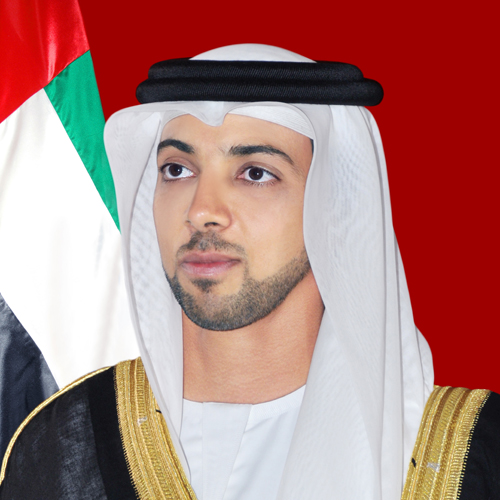
5. Sheikh Mansour bin Zayed Al Nahyan – City Football Group
Wealth: Approximately $40 billion
Sport: Fotoball
With a far-reaching portfolio under City Football Group—which spans Manchester City, Melbourne City FC, New York City FC, and Mumbai City FC—Sheikh Mansour’s investments have redefined modern football ownership. While traditional estimates hovered lower in past years, updated analyses now reflect a revised fortune closer to $40 billion, underpinned by strategic, multi-club synergies and his influential role in UAE’s governance.
Key Update: Adjustments account for both the diversification of his sports interests and the recalibrated valuations of his broader asset base.

6. François Pinault & Family – Stade Rennais FC
Wealth: Approximately $28 billion
Sport: Football
François Pinault, known for building a luxury goods and art empire through Kering, has steadily elevated Stade Rennais FC’s profile in French football. The revision places his family’s wealth at around $28 billion—a modest adjustment that reflects both recent luxury market shifts and the evolving sports investment scene in France.
Key Update: The updated figure realigns his long-term growth with current market realities.
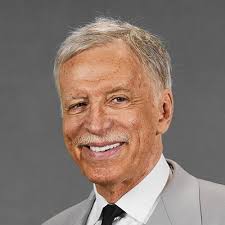
7. Ann and Stanley Kroenke – Arsenal FC, Los Angeles Rams, Denver Nuggets, Colorado Avalanche, Colorado Rapids
Wealth: Combined roughly $28 billion
Sport: Football, Basketball, Soccer
The Kroenkes’ multi-sport conglomerate spans European football to America’s premier leagues. Their empire benefits from a blend of robust real estate assets and legacy wealth. Revised estimates now position their combined fortune at approximately $28 billion, offering a balanced perspective on diversified sports investments.
Key Update: The slight upward revision reflects continued growth in their cross-sport portfolio.
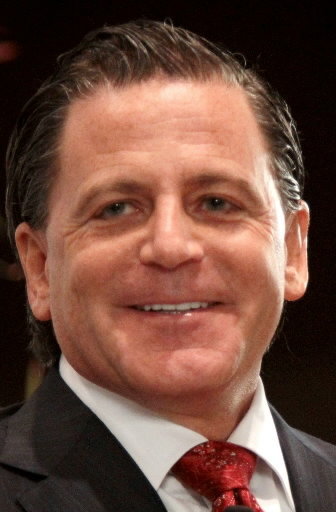
8. Daniel Gilbert – Cleveland Cavaliers
Wealth: Approximately $25.5 billion
Sport: Basketball NBA
The Quicken Loans founder, who revolutionized online mortgage lending, continues to invest heavily in sports with his ownership of the Cleveland Cavaliers. Alongside initiatives in urban revitalization, Gilbert’s sports franchise has maintained a strong competitive edge, with revised estimates remaining stable near the $25.5 billion mark.
Key Update: Gilbert’s position remains secure, reflecting steady business performance in both finance and sports ventures.
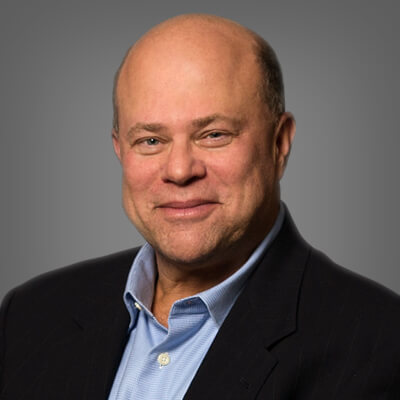
9. David Tepper – Carolina Panthers & Charlotte FC
Wealth: Approximately $22 billion
Sport: Football (MLS)
Hedge fund maestro David Tepper pivoted into sports ownership in 2018 with the Carolina Panthers and later expanded into soccer with Charlotte FC. Recent market adjustments and strategic investments have led to a Wealth: closer to $22 billion, underscoring his continued relevance in sports circles.
Key Update: The upward adjustment accounts for further development in his franchise value and broader asset appreciation.
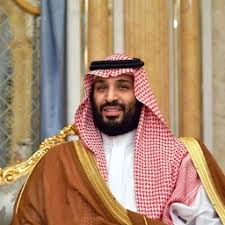
10. Mohammad Bin Salman – Newcastle United
Wealth: Approximately $22 billion
Sport: Football
As Saudi Arabia’s Deputy Prime Minister and the driving force behind the kingdom’s Public Investment Fund, Crown Prince Mohammad Bin Salman leveraged sports ownership as part of a broader Vision 2030 reform. Our updated analysis now places his fortune around $22 billion, with the caveat that geopolitical factors and debates over sportswashing continue to influence perceptions of his investment.
Key Update: The recalibrated figure reflects both economic rebalancing and the complex political context surrounding his investments.
Other Notable Owners
Among other influential figures in sports ownership, names like Robert Kraft, Jerry Jones, and Roman Abramovich continue to be subjects of detailed interest. While not included in the top 10 by our wealth estimates, their contributions to sports and evolving ownership models have left an indelible mark on the industry.
There are also on the list are owners who have made money from betting sites and online casinos.
| Name | Club | Wealth in USD |
|---|---|---|
| Mukesh Ambani | Mumbai Indians | $120 billion |
| Steve Ballmer | Los Angeles Clippers | $100 billion |
| Carlos Slim | Real Oviedo | $90 billion |
| David Thomson | Winnipeg Jets & Manitoba Moose | $65 billion |
| Sheikh Mansour bin Zayed Al Nahyan | City Football Group | $40 billion |
| François Pinault & Family | Stade Rennais FC | $28 billion |
| Ann and Stanley Kroenke | Arsenal FC, Los Angeles Rams, Denver Nuggets, Colorado Avalanche, Colorado Rapids | $28 billion (combined) |
| Daniel Gilbert | Cleveland Cavaliers | $25.5 billion |
| David Tepper | Carolina Panthers & Charlotte FC | $22 billion |
| Mohammad Bin Salman | Newcastle United | $22 billion |
Methodology
We’ve refined our approach to seamlessly incorporate the most recent financial reports, current public stock valuations, and wealth indices as of mid-2025. We have made adjustments to account for the variations in technology, global markets, and regional economic trends that have influenced the previously reported fortunes. Although certain estimates fluctuate because of market dynamics and undisclosed asset holdings, these updated figures offer a more accurate reflection of the present situation.