
The 112th edition of the Tour de France promises to be a masterclass in traditional Grand Tour design — purely French, relentlessly mountainous, and packed with tactical depth. Race director Christian Prudhomme delivers a route laden with legacy, not least with the return of Mont Ventoux, an uphill time trial in the Pyrenees, and a reimagined finale on the iconic streets of Paris.
With a narrative set for a gripping showdown between Tadej Pogačar and Jonas Vingegaard, cycling fans can expect fireworks on historic climbs and treacherous flats alike. The GC story won’t wait for the mountains — early crosswinds in the north and lumpy terrain will demand alertness from day one.
Key Highlights of the 2025 Route

The Tour defers its first summit finish until stage 10, but don’t mistake the opening act as tame. Northern France’s wind-prone terrain sets the stage for echelon drama, while punchy finales will test teams’ depth and GC nerve. Not a single stage is entirely flat, a deliberate challenge to sprinters in search of the Maillot Vert.
Climbers take center stage in the second half: five summit finishes across four ranges make up for any early-stage reprieves. Mont Ventoux returns on stage 16. The Col de la Loze marks the race’s high point and symbolic apex, where Pogačar will seek redemption after his 2023 implosion. The peloton will ascend from the east — a historic first.
Then comes Paris. Not the ceremonial procession of old. The final stage includes three ascents of Montmartre, a nod to its Olympic spectacle last year. If the GC battle is still alive, the yellow jersey might hang in the balance until the final cobbled kilometer.
Stage-by-Stage Breakdown
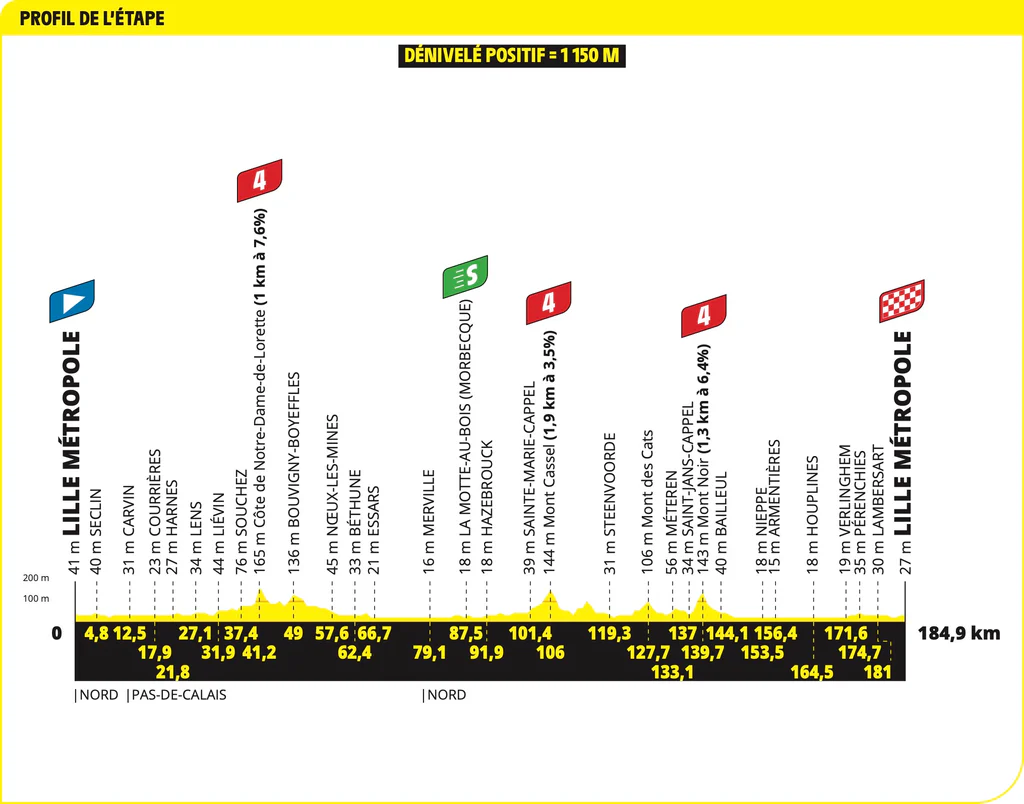
Stage 1: Lille Métropole – Lille Métropole (184.9km)
A sprinters’ day on paper, but Artois and Flanders deliver early KOM battles. Crosswinds could split the bunch before a high-speed finish at the Citadel.
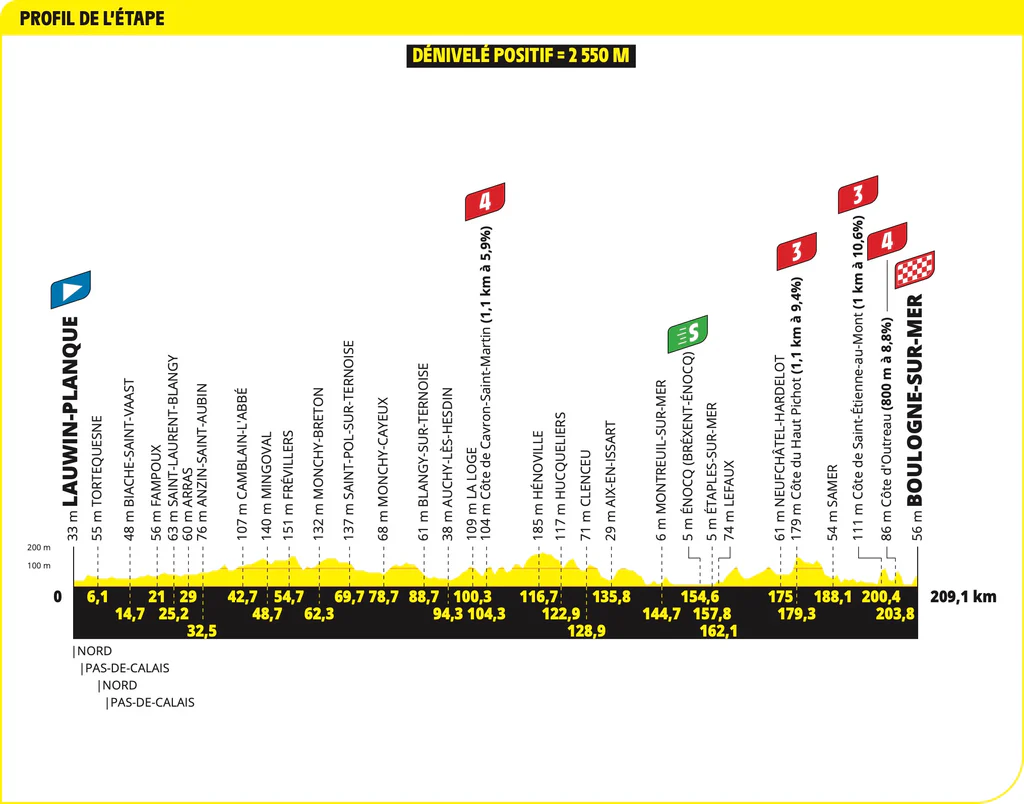
Stage 2: Lauwin-Planque – Boulogne-sur-Mer (209.1km)
Undulating and exposed, this coastal ride features 15% ramps near Saint Étienne-au-Mont and a sting at Outreau before an uphill finish — a potential GC shake-up.
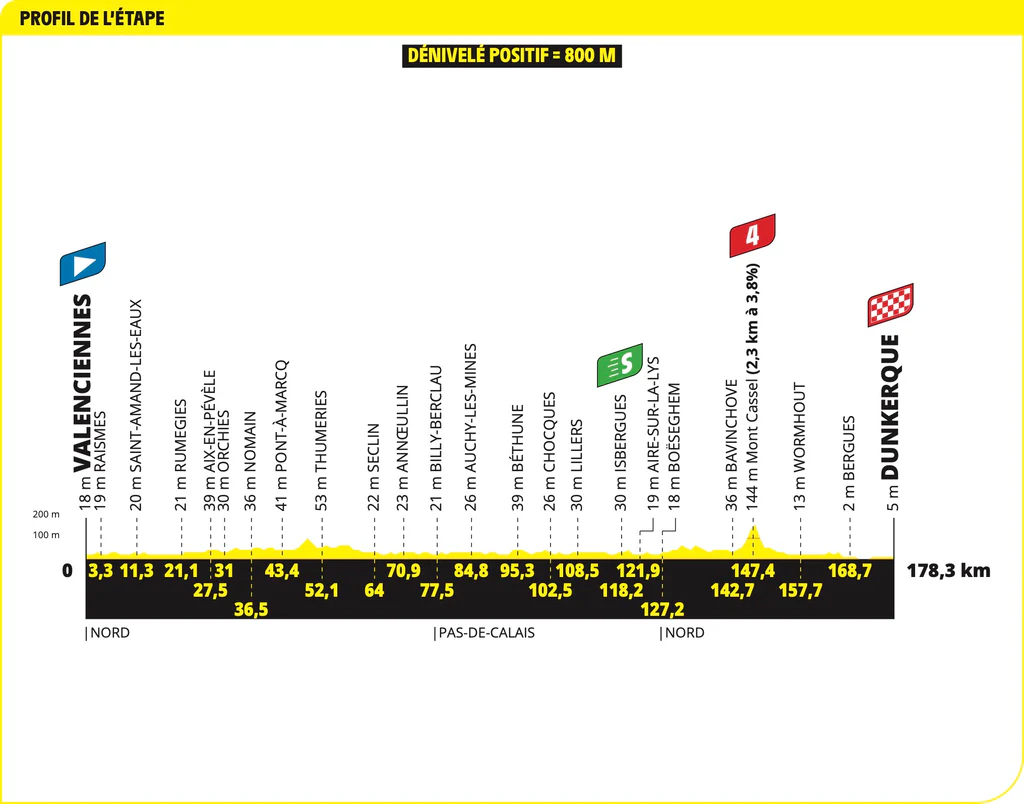
Stage 3: Valenciennes – Dunkerque (178.3km)
Wind may again dictate terms in Flanders. Sprinters will eye it cautiously — echelons could ruin plans.
Stage 4: Amiens Métropole – Rouen (174.2km)
Classic breakaway territory. Expect fireworks on Côte Jacques Anquetil and tactical chaos behind.

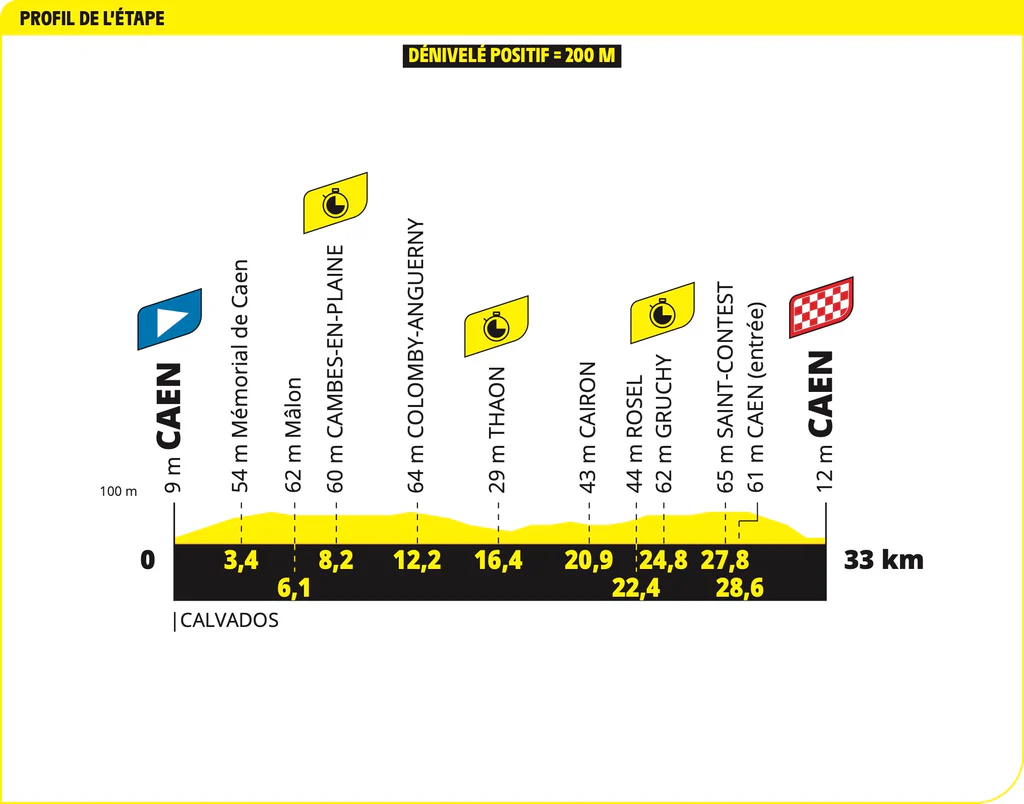
Stage 5: Caen – Caen (33km, ITT)
Flat and non-technical, this is for the chrono specialists. GC contenders must measure losses wisely.
Stage 6: Bayeux – Vire Normandie (201.5km)
Six categorized climbs and 3,500m of gain. Tough terrain and a punchy uphill finish — a test for both legs and strategy.

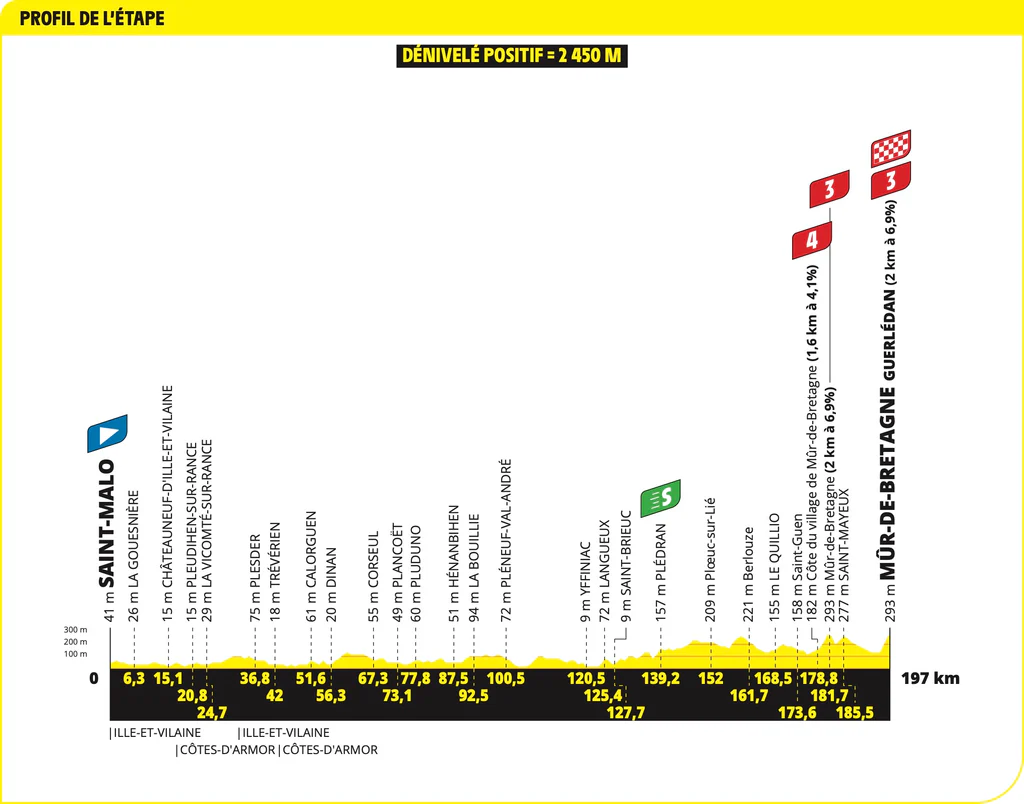
Stage 7: Saint-Malo – Mûr-de-Bretagne (197km)
A repeat of 2021’s double ascent — one for puncheurs and breakaway kings. Van der Poel fans will remember.
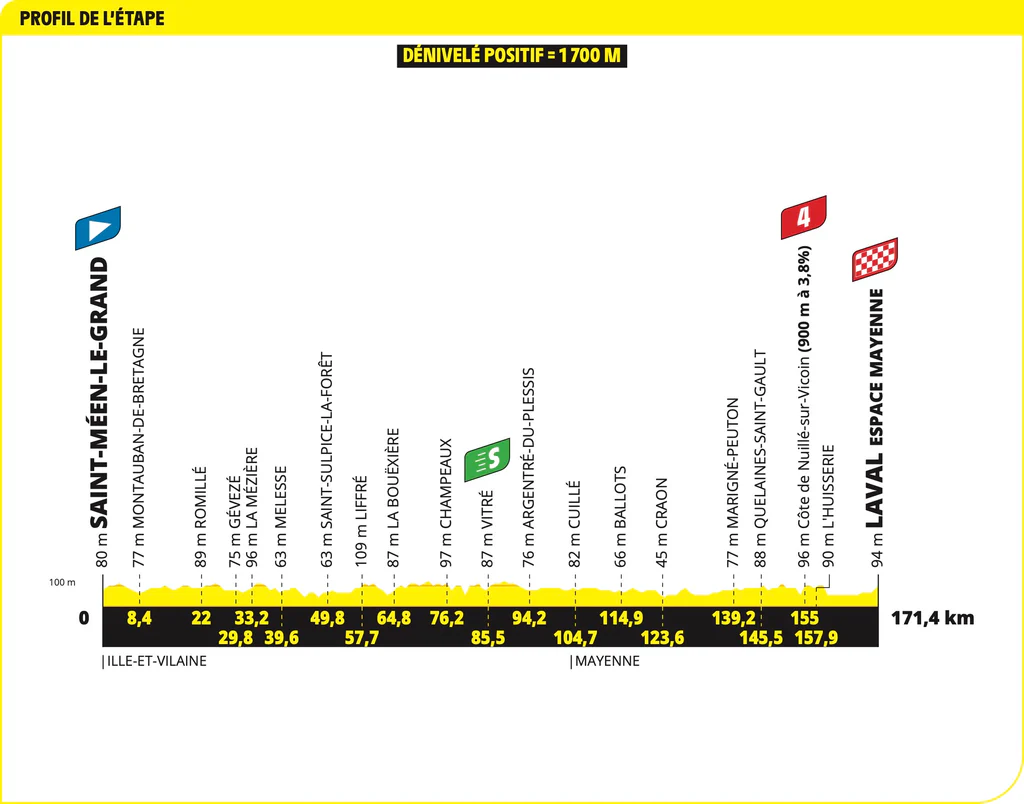
Stage 8: Saint-Méen-le-Grand – Laval (171.4km)
A rare sprinters’ stage with a clean profile. Expect organization, but crosswinds remain a lurking threat.
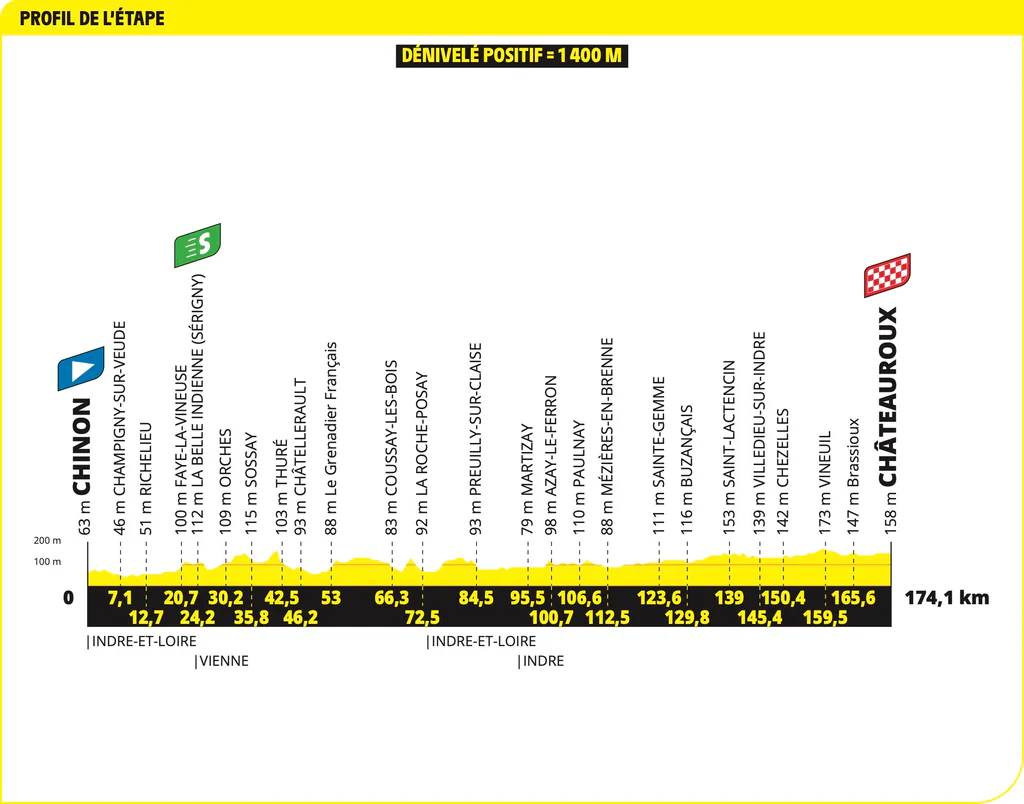
Stage 9: Chinon – Châteauroux (174.1km)
Mark Cavendish fans rejoice — a city steeped in Tour sprint history. Wind may once again disrupt the script.
Stage 10: Ennezat – Le Mont-Dore Puy de Sancy (165.3km)
Bastille Day hosts the first summit finish. The Puy de Sancy (3.3km at 8%) concludes a brutal day with 4,400m of gain. Delayed rest day means extra fatigue — and fireworks.

Stage 11: Toulouse – Toulouse (154km)
Flat profile post-rest, but a late climb 8km out will unsettle tired sprinters.

Stage 12: Auch – Hautacam (180.6km)
The Pyrenean climb fest begins. Hautacam’s 13.6km at 7.8% returns, preceded by two punishing ascents.

Stage 13: Loudenvielle – Peyragudes (10.9km, MTT)
An uphill time trial. Eight of 11km are rising. Finished on an altiport, this may shape the GC hierarchy definitively.

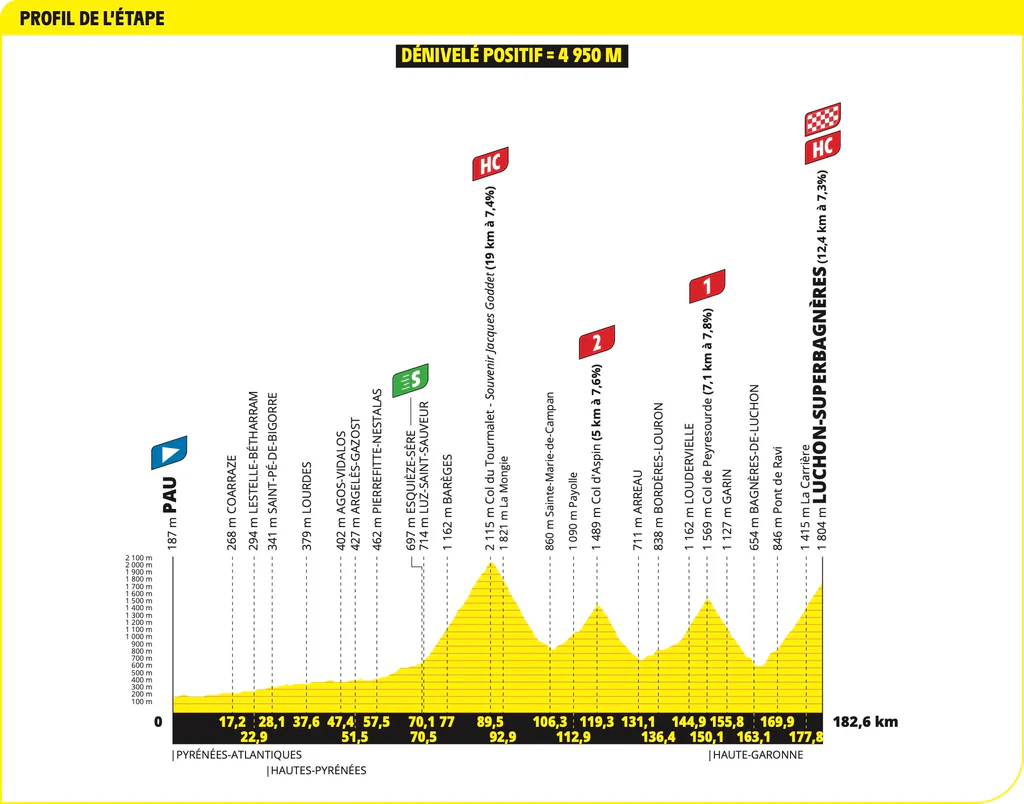
Stage 14: Pau – Luchon Superbagnères (182.6km)
Col du Tourmalet, Peyresourde, and a Superbagneres finish. An Alpine classic reborn in the Pyrenees.
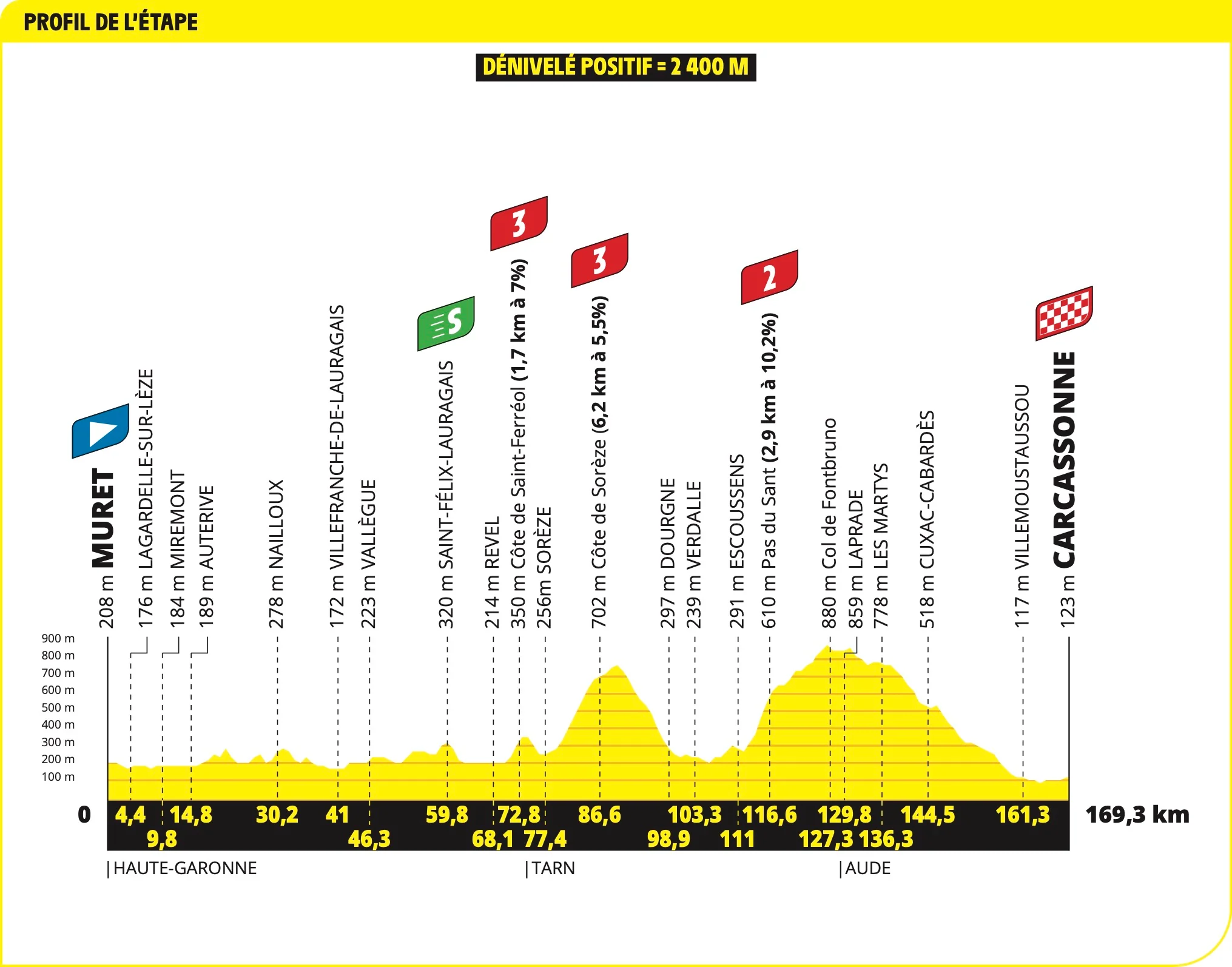
Stage 15: Muret – Carcassonne (169.3km)
Short and tactical. Wind, descents, and narrow roads favor the bold. A breakaway will thrive here.
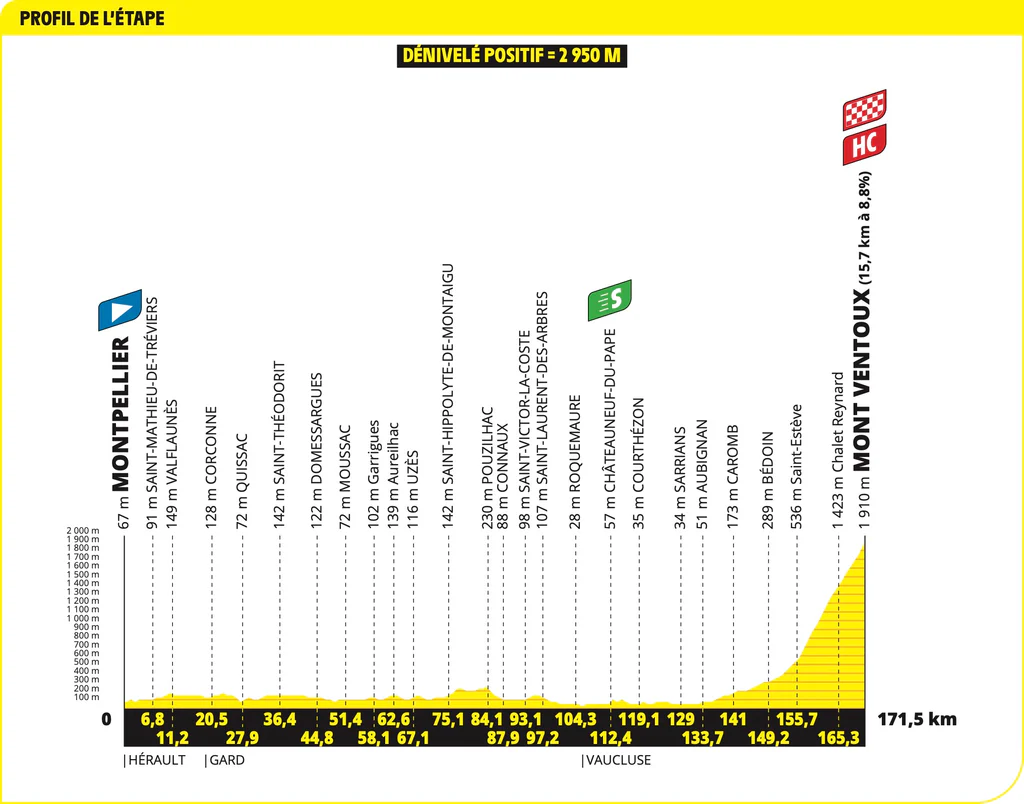
Stage 16: Montpellier – Mont Ventoux (172km)
Ventoux awaits. 20.8km at 7.7%, the ‘Giant of Provence’ follows a scorching flat approach. A soul-crushing test post-rest.
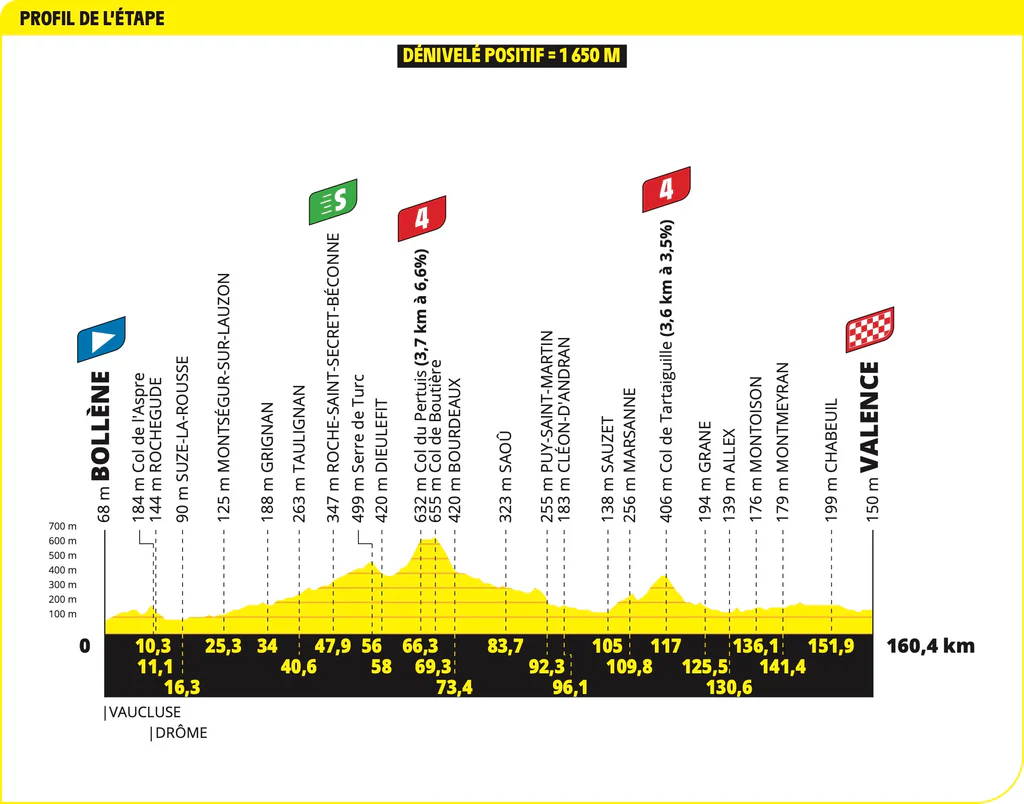
Stage 17: Bollène – Valence (160.4km)
Sprinters’ respite, but directional shifts bring wind dangers. GC teams will still need to protect their leaders.
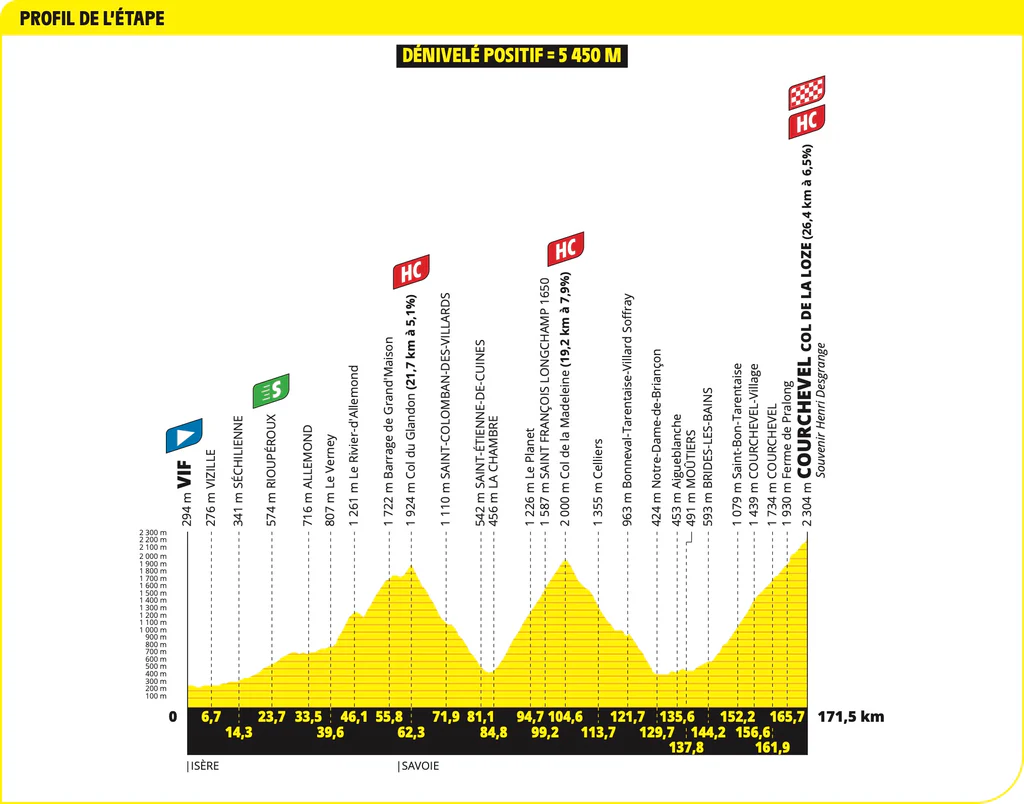
Stage 18: Vif – Courchevel Col de la Loze (171.5km)
The queen stage. 5,500m of gain, including Glandon, Madeleine, and the fearsome eastern ascent of Col de la Loze. Can Pogačar conquer his demons?
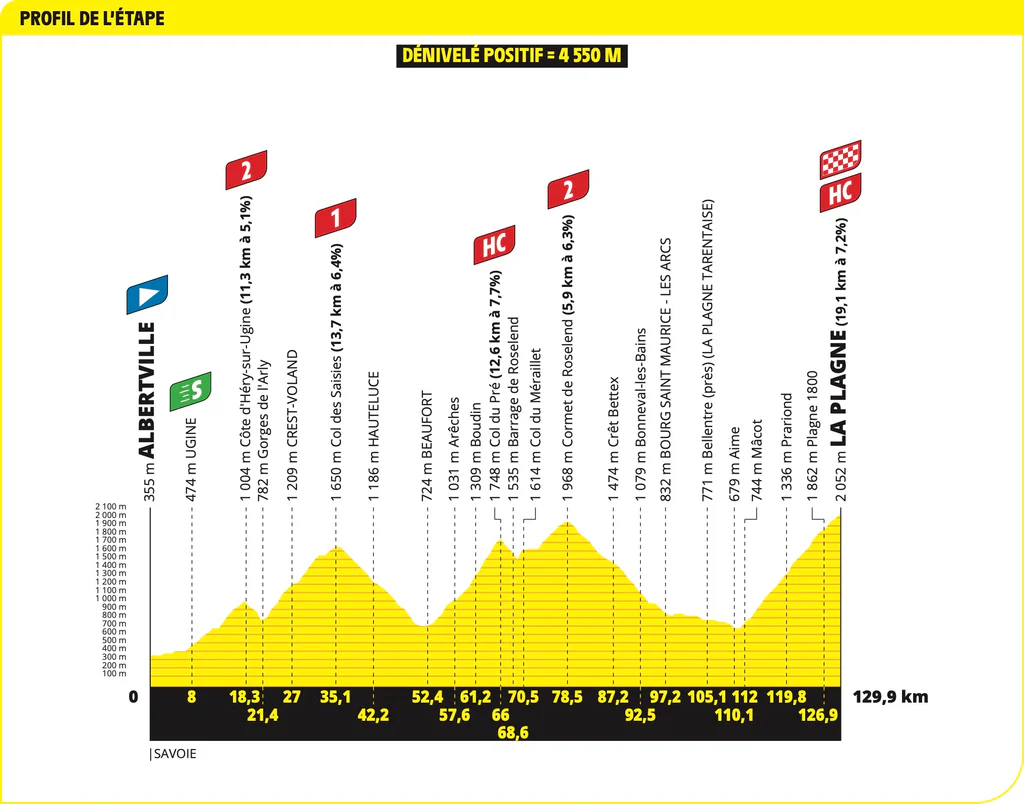
Stage 19: Albertville – La Plagne (129.9km)
Short but savage. Col des Saisies, Pré, Roselend — then the grind to La Plagne. One last Alpine war.
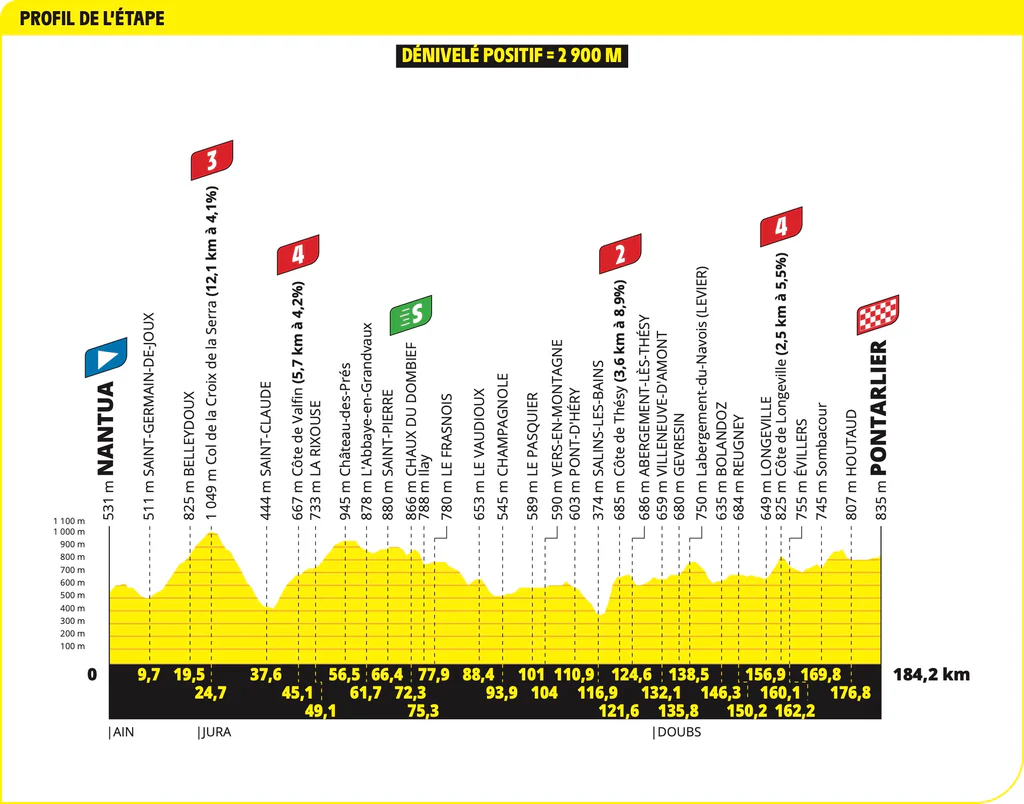
Stage 20: Nantua – Pontarlier (185km)
Rolling terrain with breakaway hopes. If the GC is tight, all eyes turn here for a potential final twist.
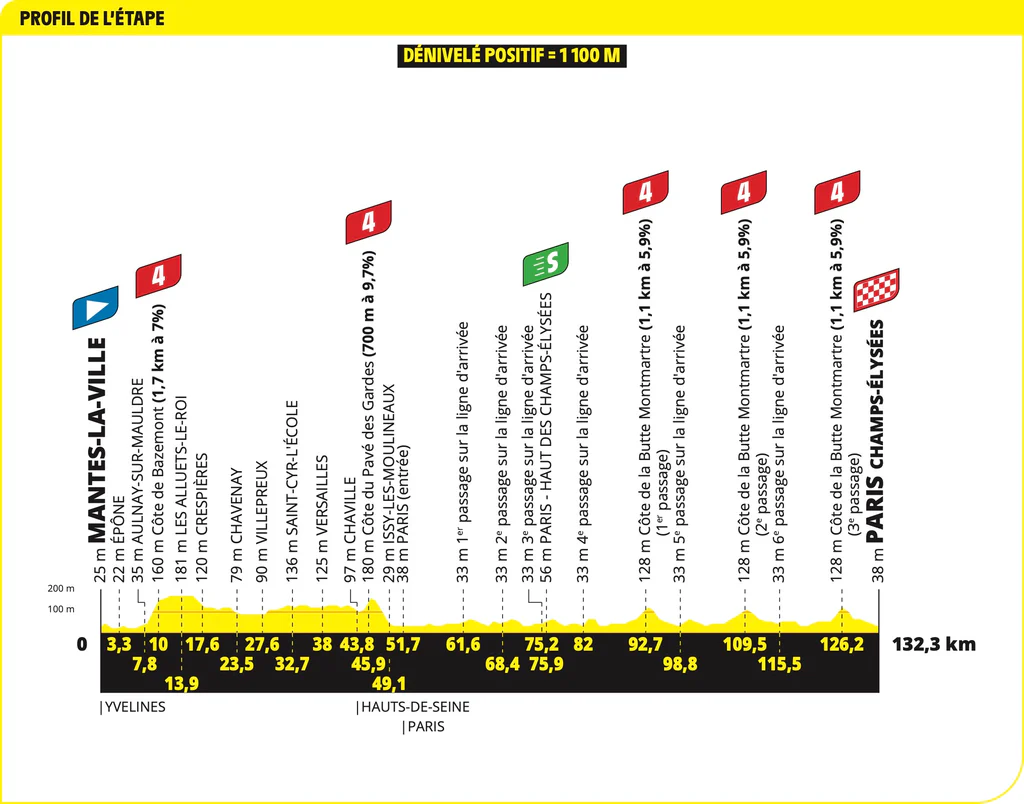
Stage 21: Mantes-la-Ville – Paris Champs-Élysées (120km)
Three climbs of Montmartre replace the usual parade. If gaps are slim, the yellow jersey could still change hands. The Tour ends where it began — with drama.
What to expect?
While the 2025 Tour may lack gravel or cobbled epics, it compensates with vertical brutality and historic symbolism. From Bastille Day battles to the shadow of Mont Ventoux, and a Montmartre finish that dares the norm — this year’s race could crown a truly all-rounded champion. One thing is certain: whoever dons the final Maillot Jaune will have earned it the hard way.