
| Prefer us on Google — see Tips.gg in Top Stories & Discover | Add on Google |
Tadej Pogačar enters the 2026 Vuelta a España as the unambiguous favourite, seeking the one Grand Tour title still absent from his palmarès. Primož Roglič is racing simply to be passed fit to start after being hit by a car in training, while Felix Gall and Oscar Onley arrive with momentum from Burgos. Enric Mas, Mattias Skjelmose and Carlos Rodríguez add further weight to the podium battle, with João Almeida named as UAE’s co-leader and Cian Uijtdebroeks giving Movistar a second GC card behind Mas. Defending champion Jonas Vingegaard, who broke his collarbone at the Tour de France, does not return.
1. Tadej Pogačar (UAE Team Emirates-XRG)
https://x.com/CiclismoInter
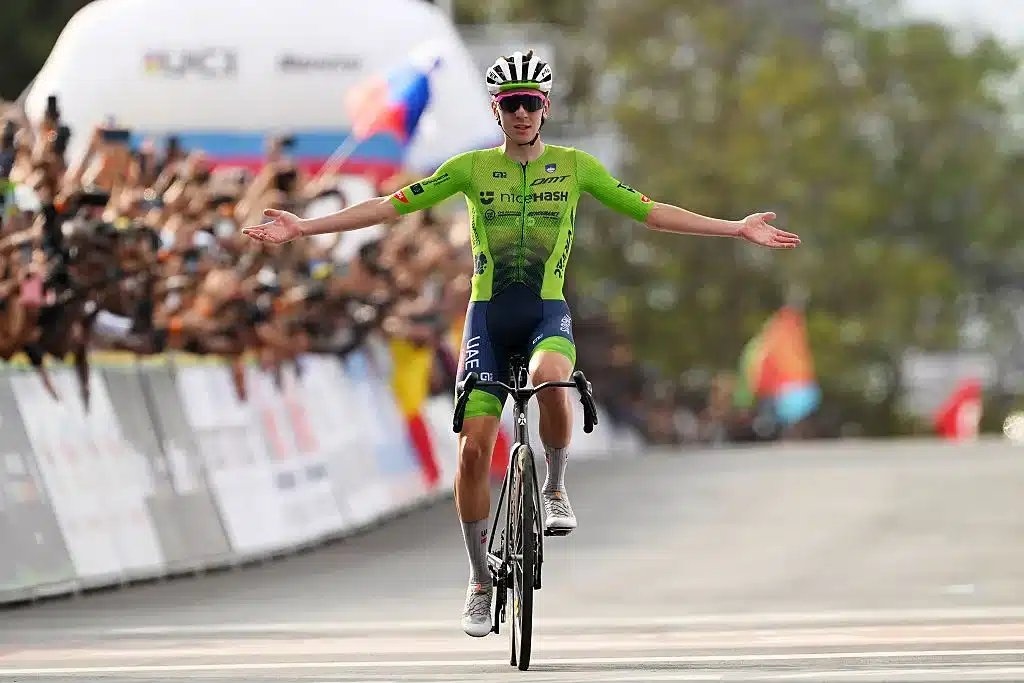
There is no real argument about the identity of the favourite. After winning a fifth Tour de France in July, Tadej Pogačar arrives at the Vuelta seeking the only Grand Tour title still missing from his palmarès. UAE Team Emirates-XRG confirmed his return in early August, seven years after his debut in 2019, when he finished third overall and won three stages at just 20 years of age.
Much has changed since then. Pogačar is no longer the young outsider discovering his limits in a Grand Tour. He is the reference point against which every other contender is measured, and the Vuelta route offers few obvious places for his rivals to expose him. The opening time trial in Monaco is short enough at 9.4 kilometres that the gaps should be small, but the abundance of climbing across seven summit finishes provides repeated chances for the kind of aggressive racing that has become his signature. A 32.5-kilometre individual time trial in the final week only strengthens his position.
The one legitimate question is fatigue. Pogačar has already carried the physical and mental burden of winning the Tour, while several of the riders below have built the second half of their season specifically around Spain. Three weeks in July always leave a mark, no matter how dominant the performance looked from the outside. The World Championships in Montréal, just two weeks after the finish in Granada, may also shape how hard he is willing to race day after day.
That is a vulnerability rather than a reason to favour somebody else. If Pogačar reaches Monaco anywhere near the level he showed in France, the battle for the red jersey will become a battle for second place remarkably quickly.
2. Primož Roglič (Red Bull-Bora-Hansgrohe)
https://x.com/lucxsronald
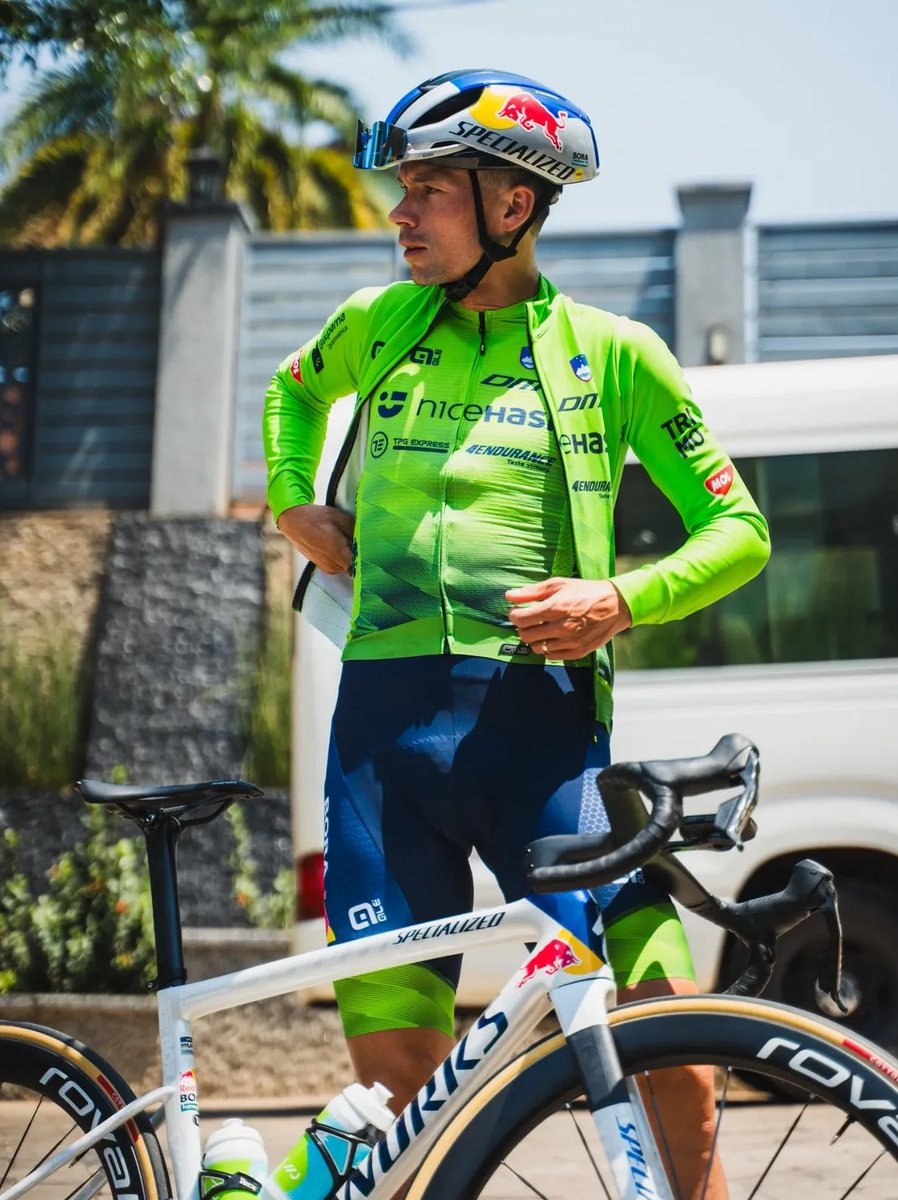
There was a time when Primož Roglič would have been the obvious answer to the question of who could stop Pogačar at the Vuelta. At his best, particularly between 2019 and 2021, this was his race. He won three consecutive editions, added a fourth title in 2024 and became almost uniquely adept at turning three weeks in Spain into a succession of small but decisive gains.
That version of Roglič is now several seasons removed.
He remains one of the most accomplished Grand Tour riders in the field, but at 36 the question is no longer simply whether the route suits him. It is whether he can still reproduce the level that once made him almost unbeatable here, particularly against a Pogačar operating at the peak of his powers. His 2026 programme was built around finding out. Roglič skipped both the Giro and the Tour and made the Vuelta his only Grand Tour of the season, giving himself a long preparation window, including an altitude block in the Sierra Nevada, for an attempt at a record fifth victory.
Then came another complication. Roglič was hit by a car while training at the end of July, posting a photograph of heavy bruising to the back of his leg and confirming he would miss both the Clásica de San Sebastián and the Vuelta a Burgos. Instead of using those races to sharpen his condition before Monaco, he has spent the final weeks of his preparation recovering. His last competitive day remains the Slovenian national championships in late June.
The more immediate question is whether he starts at all. Red Bull-Bora-Hansgrohe have left the decision until the closing days before the team presentation in Monaco on 20 August, with reports in mid-August rating his chances at roughly even and suggesting his recovery has not progressed as hoped. Living in Monaco at least allows him to leave the call late without travelling.
That makes his position here as much a reflection of pedigree as evidence of current form. A fit Roglič still has qualities that make him well suited to this race. He can survive the high mountains, take seconds on punchier finishes and potentially gain considerably more against the pure climbers in the long time trial. But the Vuelta cannot be approached on reputation alone, especially with Pogačar on the start line. If Roglič arrives close to his old level, he may still be the rider best equipped to make this a contest. The uncertainty is whether that Roglič still exists — and, for now, whether he lines up in Monaco.
3. Felix Gall (Decathlon CMA CGM)
https://x.com/lucxsronald
That role may now have fallen to Felix Gall. The Austrian was one of the stories of the Giro d’Italia, finishing second overall behind Jonas Vingegaard and establishing himself as the clear second strongest climber in the race. He held that position despite conceding ground in the race’s only individual time trial, turning what had already been a reputation for consistency into a genuine Grand Tour breakthrough and his first podium at the distance.
That performance did not come out of nowhere. Fifth at the 2025 Tour of the Alps, fourth at the Tour de Suisse, fifth at the Tour de France and eighth at the Vuelta a España, followed by fifth at the UAE Tour and sixth at the Volta a Catalunya this season, underline just how consistent Gall has become. When the 28-year-old lines up for a stage race, a high overall finish has become almost the expectation.
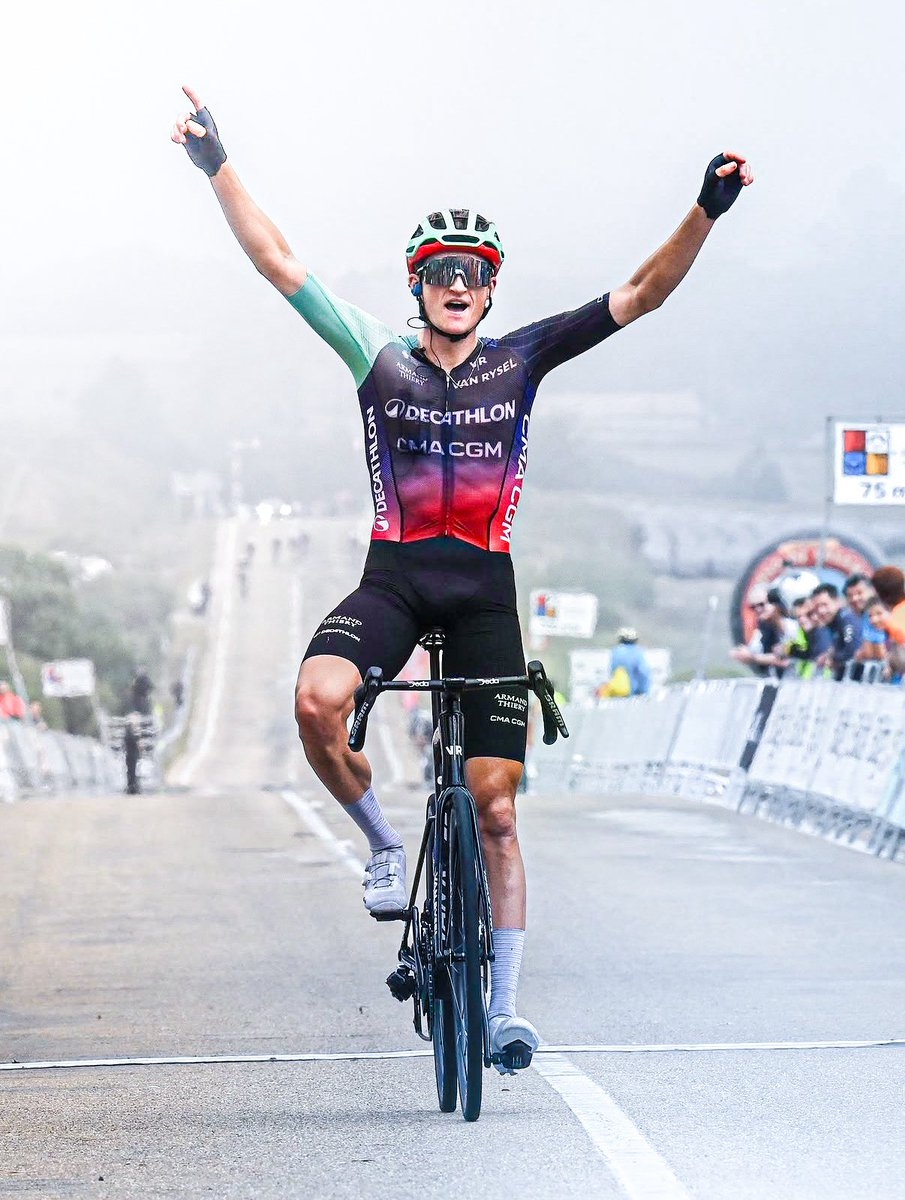
The Vuelta a Burgos added something that had been missing. Gall soloed clear on the decisive third stage to Alto del Escudo before holding off Oscar Onley by five seconds on Lagunas de Neila to secure the first general classification victory of his professional career. It was a confirmation of his form and an ideal final boost before the Vuelta.
It may also be his final Grand Tour in French colours. Gall’s contract with Decathlon CMA CGM expires at the end of the season and reports have linked Lidl-Trek with an interest in signing him for 2027. If that move materialises, the Vuelta offers one final opportunity to close an impressive chapter with Decathlon on a high.
4. Oscar Onley (Netcompany-Ineos)
https://x.com/tourdownunder
Oscar Onley’s season looked very different only a few weeks ago. A shoulder injury sustained in a crash on stage 6 of the Tour Auvergne-Rhône-Alpes in June ruled the Scot out of the Tour de France, denying him the opportunity to build on his fourth place overall from 2025. Lying third overall at the time, Onley went over a guardrail on a descent and landed in the crown of a tree, narrowly avoiding a much deeper fall into the ravine below. He was able to get back on his bike and finish the stage almost half an hour down, but examinations confirmed a dislocated shoulder and a knee wound that ultimately ended his Tour hopes.
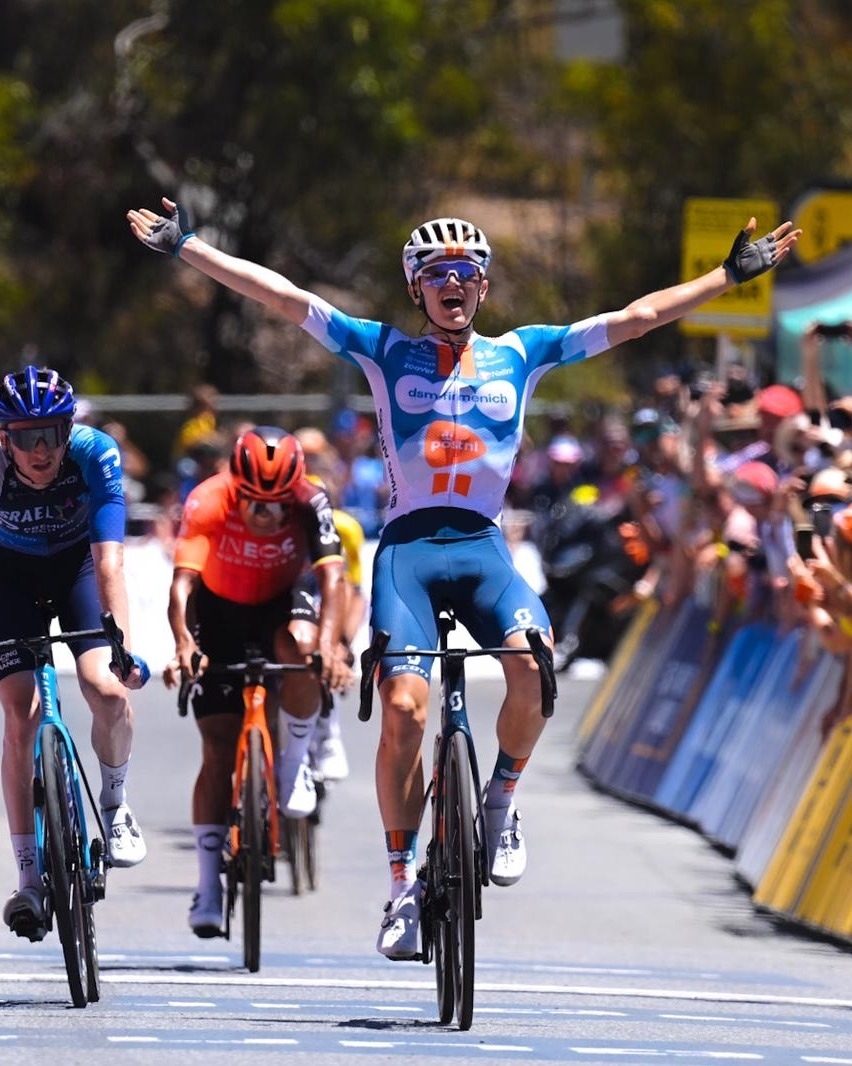
His response in Burgos could hardly have been better. Onley won the uphill finish at Valle del Sol on stage 2, his first victory for his new team, and remained among the strongest riders throughout the decisive mountain stages. On Lagunas de Neila, he finished second behind Giulio Pellizzari and took enough time to secure second overall, just five seconds behind Gall.
There is also a freshness argument in his favour. Unlike Pogačar and Skjelmose, Onley does not arrive in Spain with a Tour de France in his legs. His entire second half of the season has effectively been reset around recovering from injury and finding form again. The Vuelta will show whether Burgos represented the beginning of something bigger. Onley has already demonstrated that he can survive three weeks near the front of a Grand Tour. Now he has to show that last year’s Tour was not his ceiling. On current form, there is little reason why he should not begin this race thinking about the podium.
5. Enric Mas (Movistar)
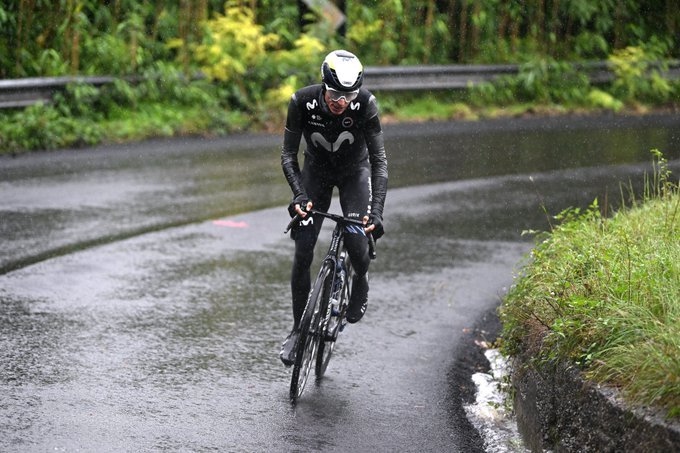
https://x.com/RuedaPedal
There may be no rider in the peloton more familiar with finishing close to victory at the Vuelta than Enric Mas. The Spaniard has finished second overall three times, a record that simultaneously demonstrates his consistency in his home Grand Tour and the frustration of never quite taking the final step. He rarely arrives as the overwhelming favourite, but just as rarely can he be ignored when the race enters its decisive final week.
His relationship with the Vuelta was interrupted altogether last year. Thrombophlebitis in his left leg, diagnosed after he abandoned the Tour de France and treated with surgery in October, brought his 2025 season to a premature end and forced him to miss the race. His long-awaited Giro debut this May then also proved disappointing. Mas struggled to rediscover his usual level and was never seriously involved in the podium battle, prompting a blunt public assessment from team boss Eusebio Unzué.
There have been more encouraging signs since. Mas finished fifth overall at the Vuelta a Burgos, took third on the Valle del Sol stage and remained close to the strongest climbers on Lagunas de Neila. It was not a performance that screamed Vuelta winner, but it suggested his condition is finally moving in the right direction.
Still, there is always the Vuelta factor. Mas has repeatedly found something extra on Spanish roads, and he will hope his home Grand Tour can bring out that version of him once again.
6. Mattias Skjelmose (Lidl-Trek)
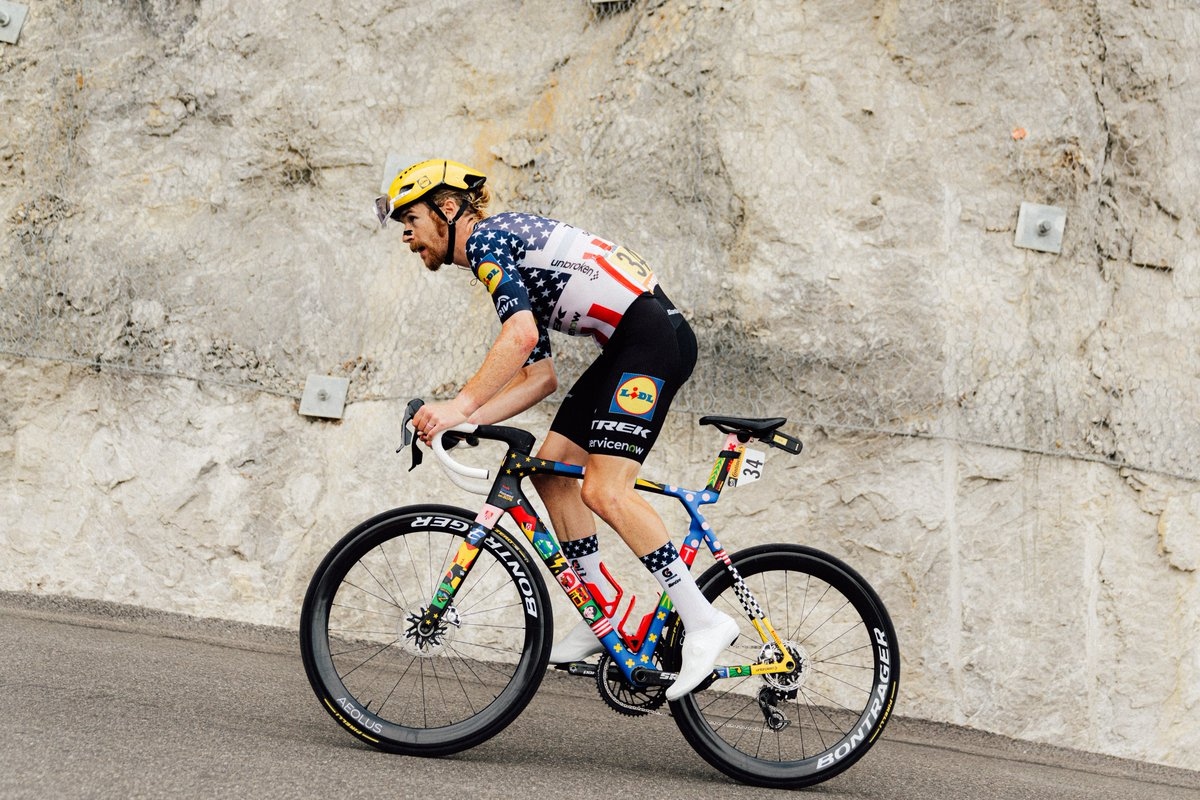
https://x.com/skjelmose_
Mattias Skjelmose enters this Vuelta with a different status from the rider who started the Tour de France in July. Three weeks in France provided further evidence that the Dane can translate his week-long stage racing quality to the Grand Tours. Skjelmose ultimately emerged as Lidl-Trek’s strongest GC rider ahead of co-leader Juan Ayuso, finishing sixth overall in Paris at 14:59, with Ayuso seventh at 17:48. His third place in the stage 16 time trial, where he took more than a minute out of Ayuso, underlined both his durability and the versatility that makes him particularly interesting on this Vuelta route.
Unlike Gall and Mas, Skjelmose does not need every decisive moment to come on the steepest climbs. His time trial is a genuine asset, he has enough acceleration to contest harder finishes and he is increasingly comfortable managing his position across three weeks.
The obvious concern is recovery. Lidl-Trek are sending him into a second Grand Tour on a four-week turnaround, a demanding ask even for a rider whose confidence should be high after France. The first long climbs will provide the real test of whether Skjelmose can take the next step and challenge for a first Grand Tour podium.
7. João Almeida (UAE Team Emirates-XRG)
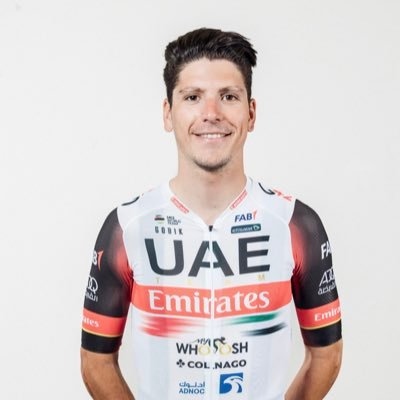
https://x.com/JooAlmeida98
João Almeida is perhaps the most difficult rider on this list to assess, because his own ambitions cannot be separated from the presence of the overwhelming favourite in the same jersey. UAE have named him as co-leader alongside Pogačar rather than as a pure domestique, and he should be capable of supporting the Slovenian deep into the decisive mountain finales. His own Grand Tour credentials hardly need restating. He was runner-up at the 2025 Vuelta, 1:16 behind Jonas Vingegaard, and beat the Dane on the Angliru along the way.
His 2026 season has been far from straightforward. Illness disrupted the spring, cost him nine weeks of racing and kept him out of the Giro, while his attempted reset at the Tour de Pologne ended with another setback when he was caught in a large crash on stage 4. Almeida escaped without fractures but did not start the following morning.
That leaves two questions heading into Monaco. The first is whether Almeida has recovered enough to approach his usual level after a season with barely any racing in it. The second is whether the race will ever allow him to ride for himself. If Pogačar establishes an early advantage and rarely requires Almeida to sacrifice himself completely, the Portuguese rider could quietly accumulate another high overall finish. UAE have shown before that a dominant leader can sometimes create opportunities for a second rider rather than eliminate them.
8. Carlos Rodríguez (Netcompany-Ineos)
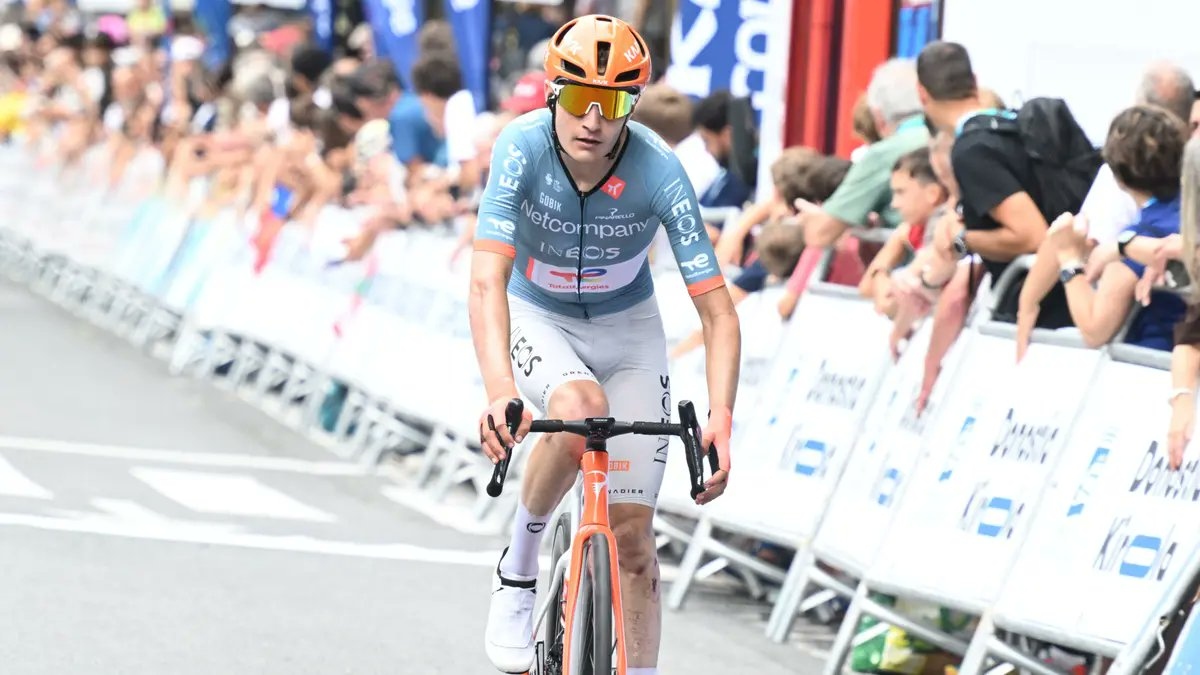
https://x.com/Ciclismoaldia3
Carlos Rodríguez has spent much of his Grand Tour career operating slightly outside the brightest spotlight, but his consistency makes him difficult to leave out of any serious GC discussion. Netcompany-Ineos left him out of its Tour de France selection this summer, a decision sporting director Imanol Erviti attributed to a disrupted build-up and a bout of flu at the Tour Auvergne-Rhône-Alpes rather than any loss of faith, with the team stating at the time that Rodríguez would become their reference for the Vuelta. He duly appears on the Vuelta selection alongside Onley, giving the British team two legitimate general classification options.
Rodríguez’s strength is that very little about this route should frighten him. He climbs well enough to remain with the better GC riders, is competent against the clock and has already demonstrated that he can sustain a high level deep into a Grand Tour.
The big question is which version of Rodríguez will show up. His Grand Tour results have drifted since he was fifth at the 2023 Tour and seventh in 2024, and his most recent three-week race ended in his first Grand Tour abandon, forced out of the 2025 Tour with a fractured pelvis while sitting tenth overall. If he can rediscover his best form, Rodríguez should at least benefit from having Onley alongside him. There is no obvious reason for Ineos to sacrifice one rider immediately for the other. Keeping both close on general classification could instead become an important tactical advantage, particularly against teams built around a single leader.
Rodríguez may not start the Vuelta as the most explosive contender, but three weeks often reward riders who can avoid bad days. That could still be his strongest argument.
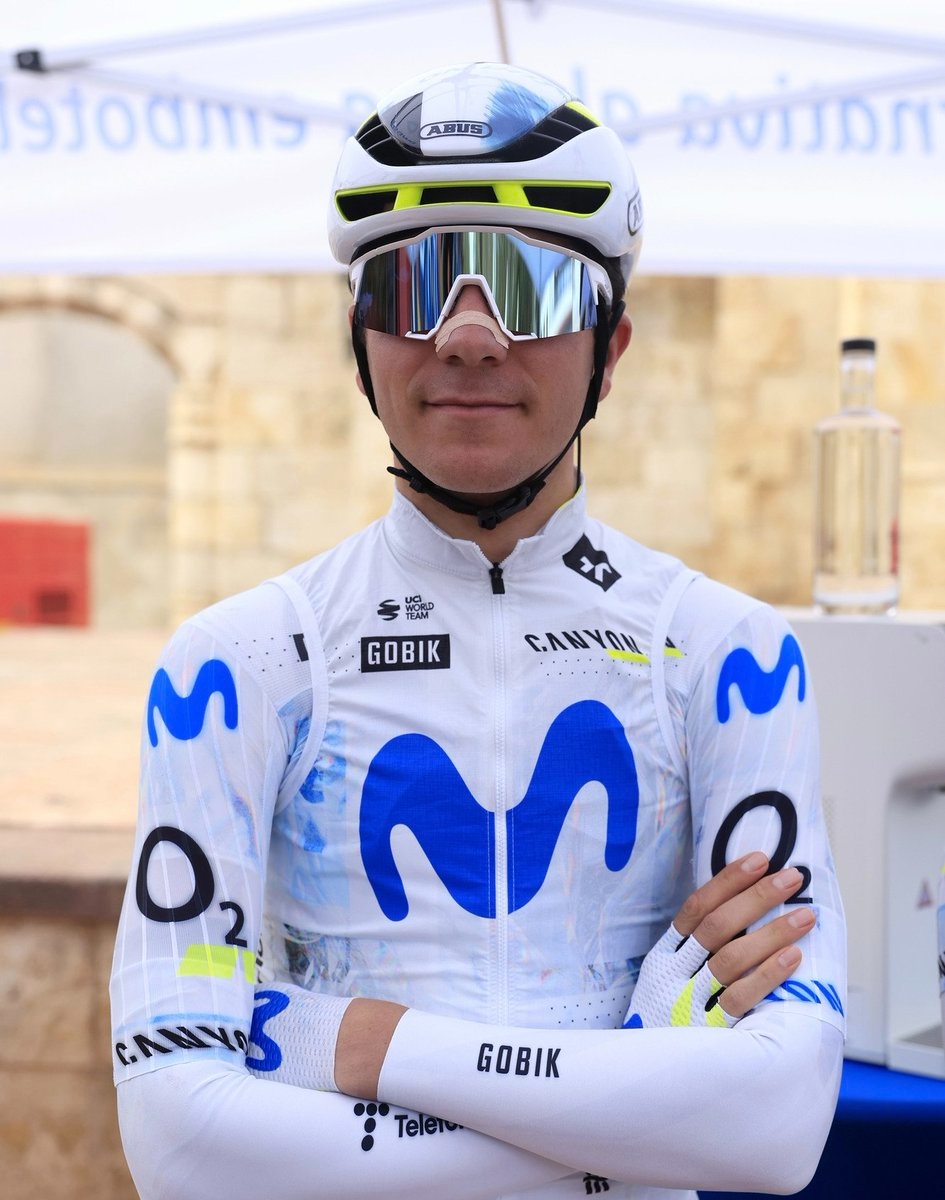
9. Cian Uijtdebroeks (Movistar)
https://x.com/Movistar_Team
Cian Uijtdebroeks arrives at the Vuelta looking for a reset. His Tour de France debut ended during stage six after illness, fever and stomach problems had already derailed his general classification ambitions, with the Belgian dropped on the Col d’Aspin and withdrawing on the Tourmalet. The original expectation had been a challenge for the top ten, and a fourth place overall at the Tour Auvergne-Rhône-Alpes a fortnight earlier suggested it was realistic. Instead, his Tour was effectively over before the first major mountain block had properly begun. Movistar subsequently confirmed that his focus would shift directly towards the Vuelta.
Spain presents an intriguing second opportunity. The main question is how Uijtdebroeks has recovered from his Tour de France disappointment.
The Vuelta also offers Uijtdebroeks something familiar to build on. It was here that he first announced himself as a Grand Tour rider at 20, taking eighth overall on his Grand Tour debut in 2023, and three years later he returns hoping Spain can once again provide a platform for the next step. Follow TipsGG for full coverage as the race unfolds from Monaco.