
| Prefer us on Google — see Tips.gg in Top Stories & Discover | Add on Google |
The confirmed withdrawals of Jannik Sinner, Carlos Alcaraz, and Novak Djokovic have dismantled the usual hierarchy in Montreal entirely, while a new multi-year partnership making Har-Tru the official court surface and paint supplier at IGA Stadium adds a layer of uncertainty markets may not have fully priced in. The five candidates below are being systematically underpriced — some because of ranking anomalies, some because of administrative timing quirks, and one because the market keeps punishing a weakness her results have already proven manageable.
1. Jiří Lehečka
ATP No. 12 · Czech Republic · 24
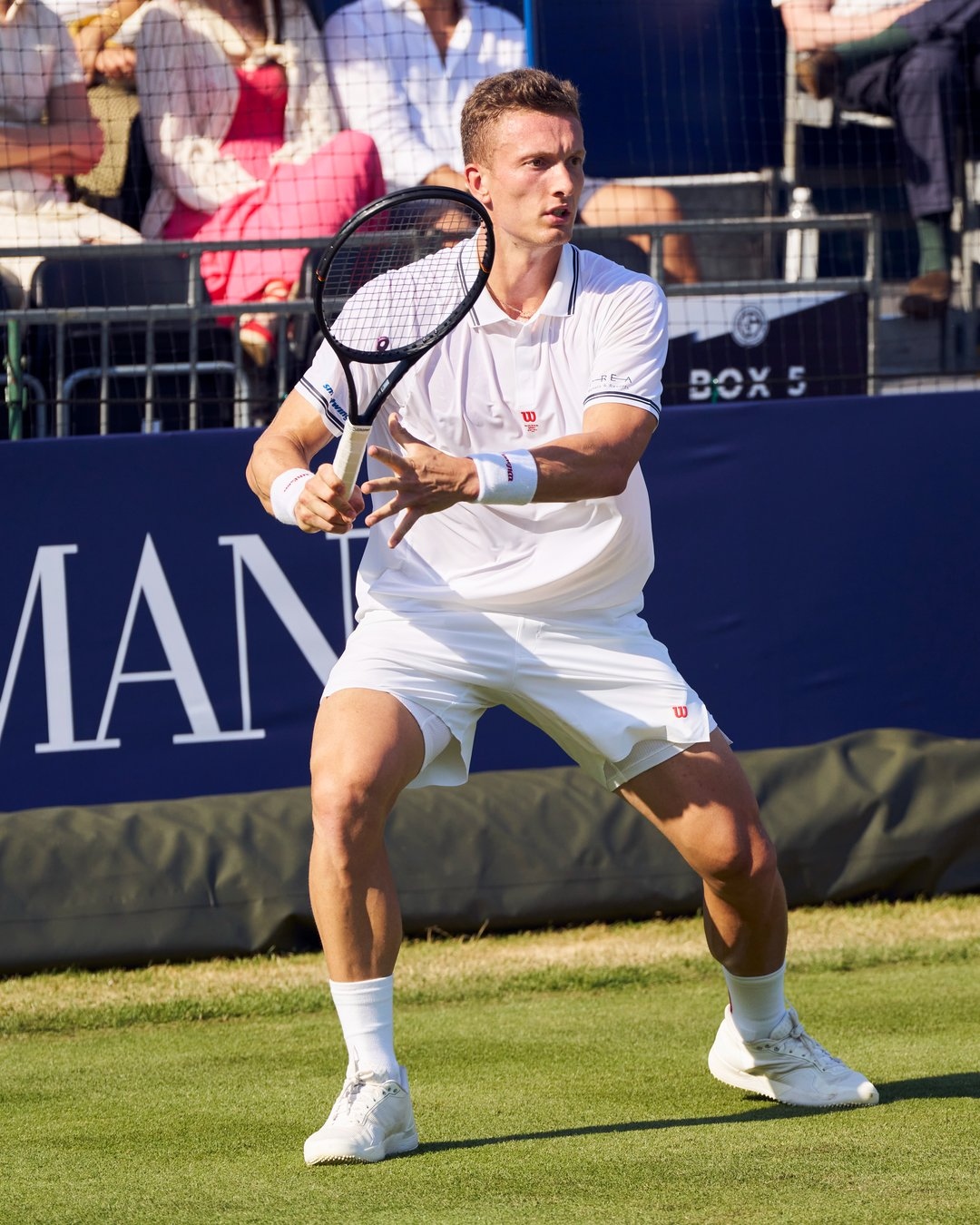
Source: https://x.com/Tennis_Classic
| 2026 season record | 23–13 (63.9%) |
| 2026 hard-court record | 11–6 (64.7%) |
| 2026 Masters 1000 record | 11–5 (68.8%) |
| Career Masters 1000 win rate | 53.1% |
| Aces per match (tour percentile) | 8.0 (93rd) |
| Double faults per match (percentile) | 1.08 (92nd) |
| Career win rate vs. Top 10 | 29.7% (11–26) |
| 2026 Miami Open final | L, 6–4, 6–4 |
Lehečka’s Miami run told you everything you need to know about his ceiling on fast hard courts. He arrived at the final having gone four matches without being broken — a genuinely rare feat at the Masters 1000 level, matched since 2018 only by Djokovic. Sinner ended that streak in the third game of the final, then closed it out in straight sets. That’s a comfortable loss on paper, but it came against the world No. 1 and defending Montreal champion — an obstacle that no longer exists in this draw.
Bookmakers’ Elo models heavily penalize his 29.7% career win rate against the Top 10. But the specific Top-10 players who’ve historically beaten him — Sinner, Alcaraz, Djokovic — are all absent from Montreal. Repricing after three withdrawals tends to flow toward the next-highest names, not to No. 12.
2. Jakub Menšík
ATP ~No. 30 · Czech Republic · 20
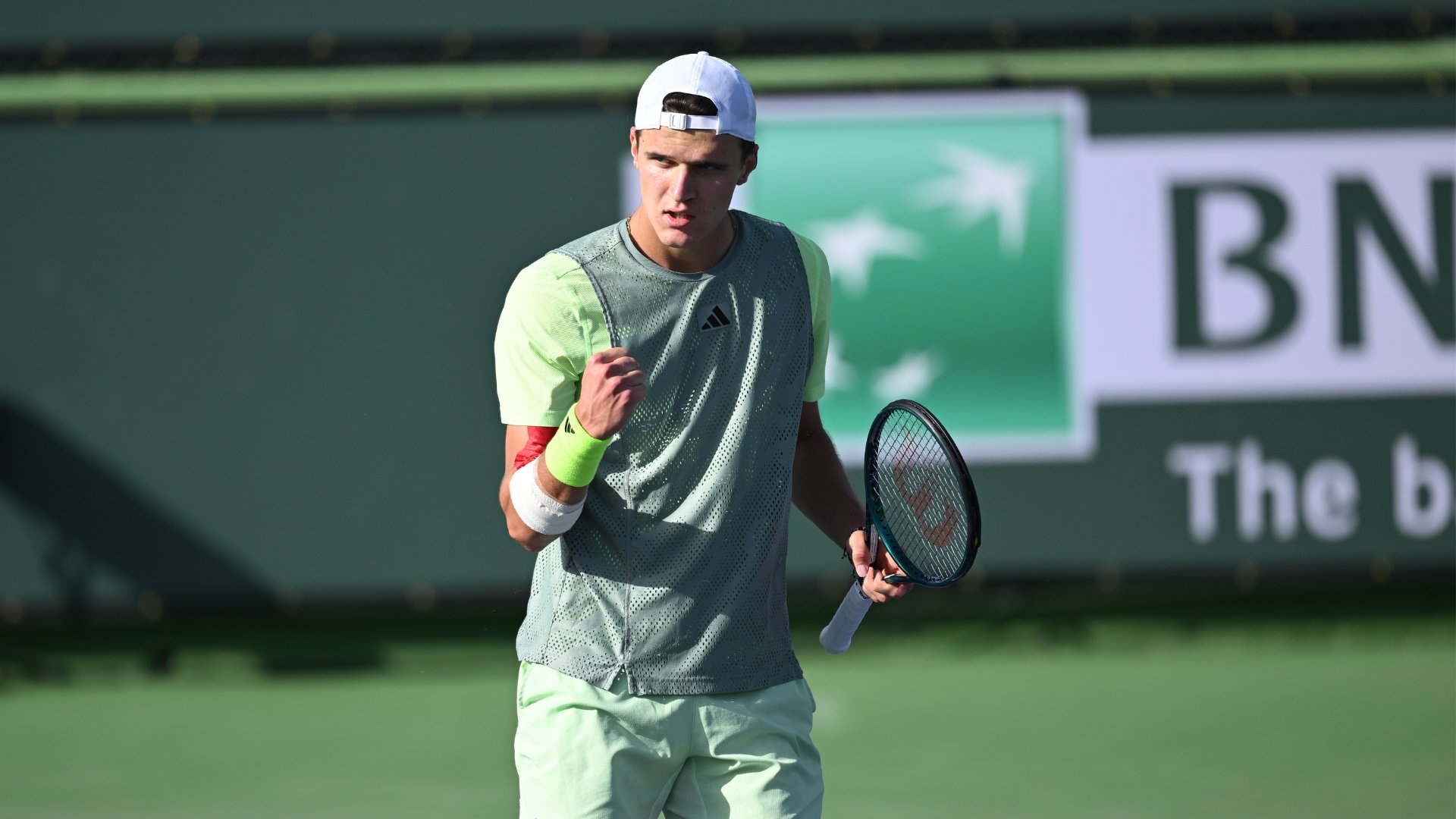
Source: https://x.com/mensik_j
| 2025 Miami Open final | W, 7–6(4), 7–6(4) vs. Djokovic |
| Aces in that final | 14 |
| First-serve points won, 52 weeks (tour rank) | 78.3% (5th) |
| Aces per match (tour rank) | 13.0 (4th) |
| 2026 Miami Open result | L, R3 vs. Tiafoe |
| Ranking impact | Top 10 → fringe Top 30 |
This is the most straightforward market inefficiency in the men’s draw. Menšík won this exact tier of tournament, on this exact surface type, against elite competition, less than 16 months ago. He’s now priced like a fringe top-30 player who lost early this year. The ATP’s rolling 52-week points system cratered his ranking mechanically when he failed to defend 1,000 points — his actual tennis did not crater with it.
A 78.3% first-serve points won rate trails only Sinner, Fritz, Opelka, and Bublik over the same period. Fourteen aces in a Masters 1000 final against Djokovic is performance data that should anchor his price, not a third-round loss the following year.
3. João Fonseca
ATP No. 28–30 · Brazil · 19 · 2024 NextGen Finals champion
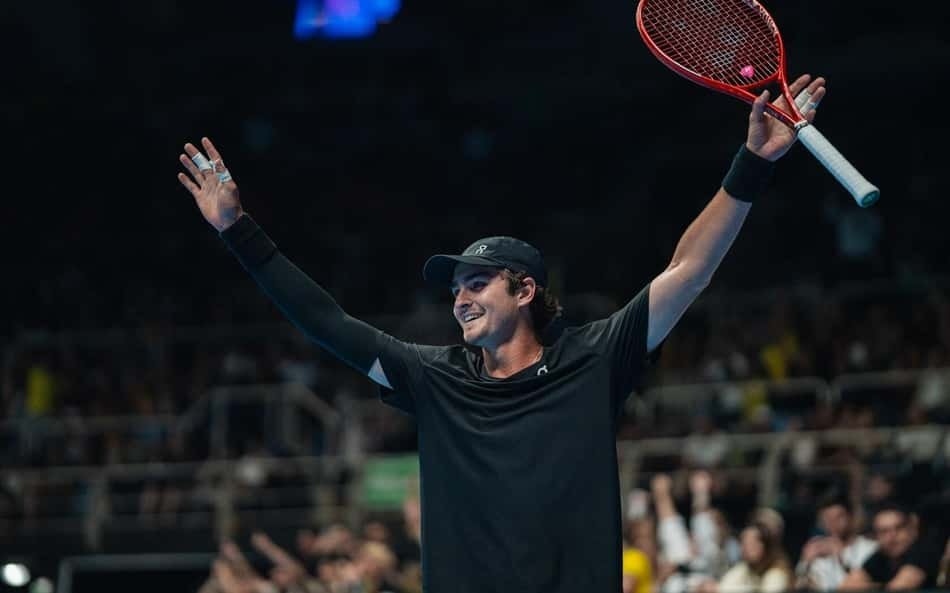
Source: https://x.com/mundodotenispod
| First-serve percentage | 71.0% |
| Serve pressure points won | 67.0% |
| Return pressure points won | 38.0% |
| Double faults per game | 0.17 |
| Overall win rate, 52 weeks | 60.5% (26–17) |
| Hard-court win rate, 52 weeks | 60.0% (12–8) |
| Career-high ranking | No. 24 (Nov 2025) |
Fonseca’s early 2026 was genuinely bad — a first-round loss to Eliot Spizzirri at the Australian Open, then an early exit as defending champion in Buenos Aires against Alejandro Tabilo. Those results gave bookmakers ammunition to lengthen his odds. What’s being ignored: he reached the quarterfinals of Roland Garros, his first major quarterfinal, at 19.
His ace count is solid rather than spectacular, but his clutch-point architecture is what matters — one of the tour’s lowest double-fault rates, a high first-serve percentage, and a 67% win rate on serve-pressure points. His Basel title on indoor hard already proved his heavy, spin-loaded game holds up on faster surfaces.
4. Alexandra Eala
WTA No. 28 · Philippines · 21 · highest-ranked Filipino in WTA history
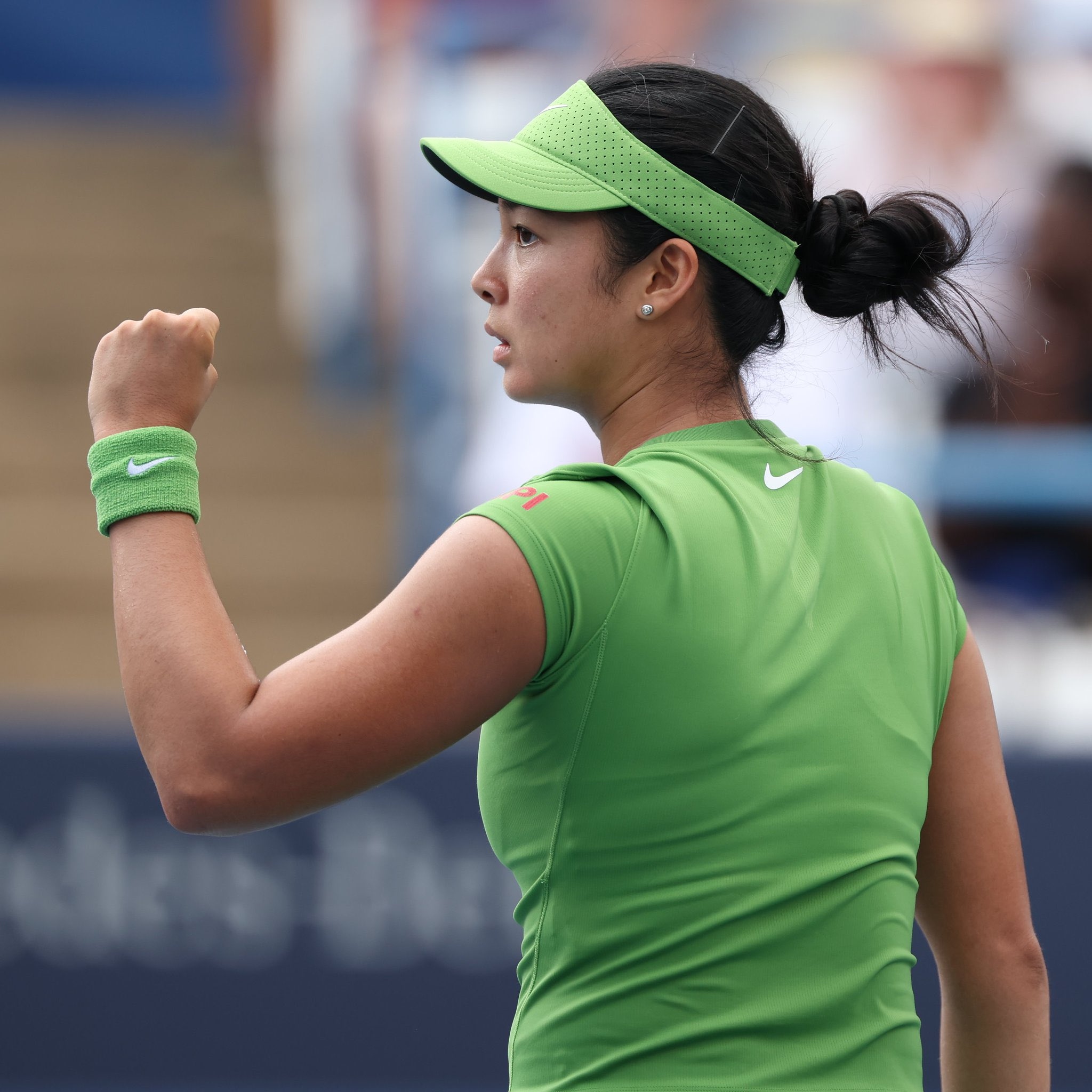
Source: https://x.com/asian_tennis
| 2026 Wimbledon result | R16, def. Świątek 7–6(9), 6–2 |
| Lost R16 to | Jasmine Paolini |
| WTA 125 Birmingham 2026 | Champion |
| Berlin Open (WTA 500) | Semifinalist |
| Washington DC Open R1 | W, 4–6, 6–4, 6–1 vs. Zheng Qinwen |
| Career first-serve win % | Below tour elite tier |
The narrative around Eala right now is almost entirely about her serve, and not in a flattering way. Rennae Stubbs said on her podcast: “Eala’s serve will never win her a Grand Slam… that’s what’s holding her back.” That criticism is legitimate. But the market may have overcorrected for it — a player who just beat the defending Wimbledon champion in the same swing isn’t a player whose serve is stopping her from competing at the highest level right now.
Eala is a left-hander training within the Rafa Nadal Academy framework. Left-handed cross-court forehands exploit the backhand side of right-handed opponents — geometry that gets more punishing on the true bounces of North American hard courts. Her comeback from a set down against Zheng Qinwen in DC showed the mental side holds up too.
5. Arthur Fery
ATP No. 36 · Great Britain · 24 · current British No. 1
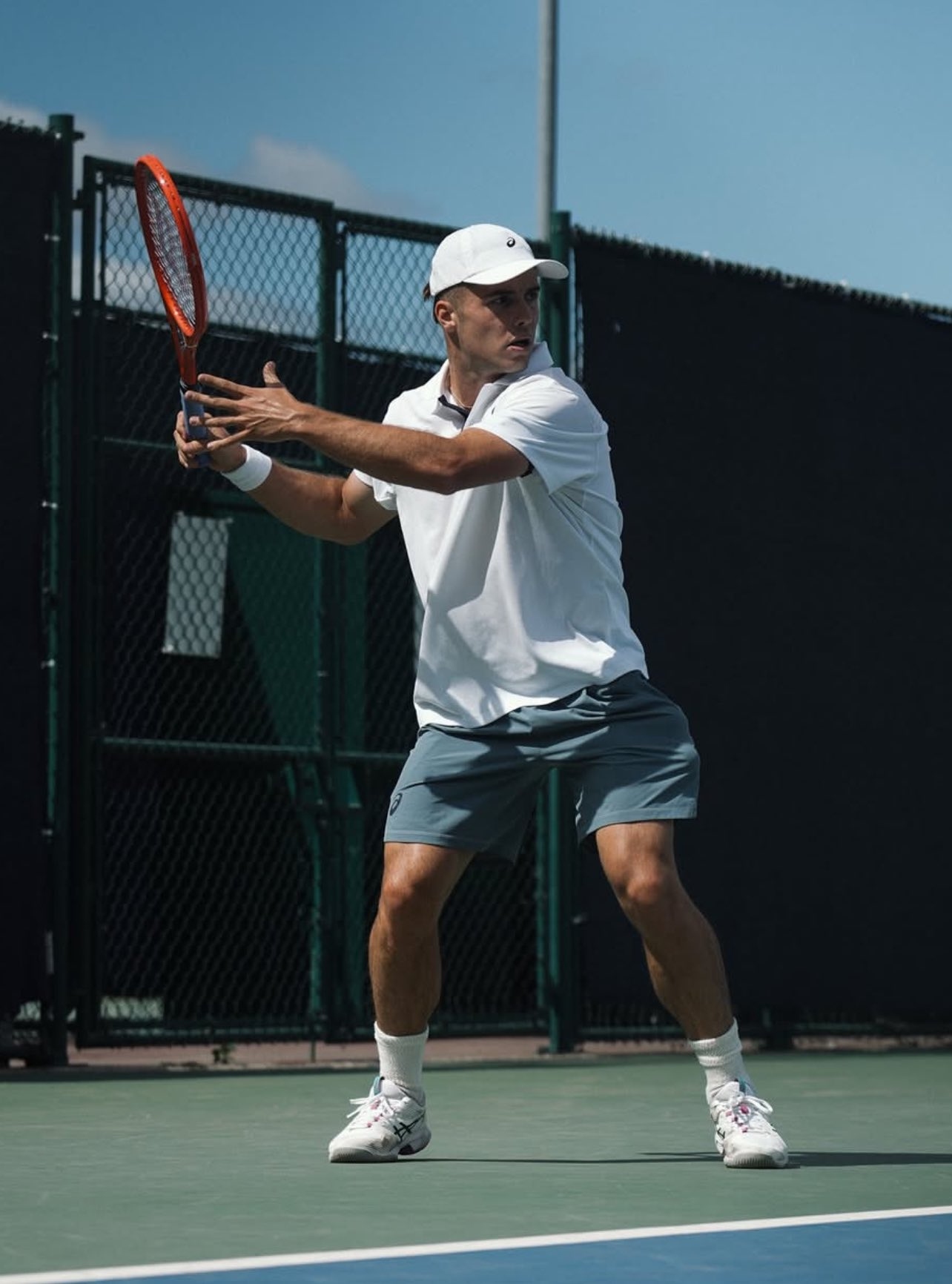
Source: https://x.com/BritishTennisUp
| Hard-court win rate | 67–30 (69.1%) |
| Indoor win rate | 58–24 (70.7%) |
| Clay win rate | 14–11 (56.0%) |
| Grass win rate | 26–24 (52.0%) |
| Wimbledon 2026 result | Semifinalist (wildcard) |
| Lost semifinal to | Zverev, 7–6(0), 6–2, 6–4 |
| Ranking jump | No. 114 → No. 36 |
The administrative quirk that makes Fery interesting is specific. Entry lists are finalized weeks before an event begins, and his pre-Wimbledon ranking — outside the top 100 — dictated his entry category. His semifinal run to a career-high No. 36 changes none of that: he’s playing qualifying in Montreal. Outright markets may be pricing him like a Challenger-level longshot when he’s, by current form, a legitimate main-draw-caliber player.
The surface data should genuinely surprise people. His 2026 breakthrough came almost entirely on grass, so the assumption is that his game is grass-dependent. His career numbers say the opposite — he’s a significantly better hard-court player than a grass-court one.
Of the five, Jakub Menšík represents the clearest value play — a proven Masters 1000 hard-court champion priced as a fringe top-30 player purely because of a mechanical ranking drop. Fery is the highest-upside lottery ticket if he clears qualifying, and Lehečka is the most structurally sound pick in a draw that’s had its top three players surgically removed. All five are worth attention before the prices move.