
Two players are level on 24 major singles titles, and no tiebreaker in existence will satisfy everyone. That is where this argument begins, and it is why the question of who has the most Grand Slams in tennis refuses to settle.
This ranking answers it in a single currency: singles titles at the four majors, men and women counted together in one table, from 1877 through to the 2026 US Open. No doubles. No Olympic gold. No year-end championships. Just the Australian Open, Roland Garros, Wimbledon and the US Open, won outright.
That choice matters. Combining the tours produces a far more honest picture of tennis greatness than the usual split lists, and it forces direct comparisons that the sport normally avoids. What follows is the definitive tennis Grand Slam winners list — fifteen names, ten ranked positions, and a methodology that explains every close call rather than hiding it.
Criteria for Ranking the Most Grand Slam Titles
The primary metric is simple: total Grand Slam singles titles. Everything else exists only to break ties, and in a list this crowded, ties are constant.
One table, both tours. Men and women are ranked together on a single list, by the same metric, with no weighting applied to either tour. A title at the Australian Open counts the same whether it was won in the men’s draw or the women’s. This is deliberate: separate lists for most Grand Slams in men’s tennis and most women’s tennis Grand Slams are easy to find and rarely say anything the other does not, whereas a combined ranking forces the comparison the sport usually avoids. It also changes the shape of the answer. Five of the top ten are women, the outright record of 24 is shared by a man and a woman, and the tiebreakers below are applied identically regardless of which tour a player competed on.
Scope. Singles only. Doubles and mixed are excluded because including them produces an entirely different ranking — Margaret Court reaches 64 across all disciplines, Martina Navratilova 59, with Billie Jean King and Serena Williams on 39 apiece. Those are extraordinary numbers, but they measure a different thing.
Counting rule. All four majors, all eras, 1877 to present, including titles won before the Open Era began in 1968. Tournament status follows standard ITF and reference-work definitions. Excluded: the World Hard Court Championships, Pro Slam titles, Olympic gold and the year-end finals.
Tiebreakers are applied in strict order until the tie breaks.
| Criterion | Description | Weight |
|---|---|---|
| Total major singles titles | The headline count across all four events, all eras | High |
| Open Era titles | Majors won against full professional fields from 1968 onwards | High |
| Calendar or Golden Slam | All four majors in one year, plus Olympic gold for the Golden Slam | Medium |
| Head-to-head in major finals | Direct meetings with the tied player on the biggest stage | Medium |
| Data source reliability | ITF records and established reference works only | High |
Three positions on this list were decided by those rules. Djokovic edges Court on Open Era titles, 24 to 11. Graf edges Nadal on the Golden Slam. Navratilova edges Evert on their 10–4 record in major finals.
Top 10 Tennis Players With the Most Grand Slams
The countdown runs from 10 to 1, and the spread is wider than the headline numbers suggest. Positions 10 through 6 cover six titles; positions 5 through 1 cover two. The top of this list is a traffic jam.
Eight of the ten won every one of their titles in the Open Era. One straddles the 1968 divide, and one competed entirely before professionals were admitted. Three are separated from the player above them by nothing but a tiebreaker, which is precisely why the methodology above exists.
Here is the full ranking of tennis players with most Grand Slams, counting down from 10 to 1:
| Rank | Player | Country | Titles | AO / RG / W / US | Open Era |
|---|---|---|---|---|---|
| 10 | Pete Sampras | United States | 14 | 2 / — / 7 / 5 | 14 |
| 9 | Chris Evert | United States | 18 | 2 / 7 / 3 / 6 | 18 |
| 8 | Martina Navratilova | United States | 18 | 3 / 2 / 9 / 4 | 18 |
| 7 | Helen Wills Moody | United States | 19 | — / 4 / 8 / 7 | 0 |
| 6 | Roger Federer | Switzerland | 20 | 6 / 1 / 8 / 5 | 20 |
| 5 | Rafael Nadal | Spain | 22 | 2 / 14 / 2 / 4 | 22 |
| 4 | Steffi Graf | Germany | 22 | 4 / 6 / 7 / 5 | 22 |
| 3 | Serena Williams | United States | 23 | 7 / 3 / 7 / 6 | 23 |
| 2 | Margaret Court | Australia | 24 | 11 / 5 / 3 / 5 | 11 |
| 1 | Novak Djokovic | Serbia | 24 | 10 / 3 / 7 / 4 | 24 |
The final column is the one that decides the top two. Both leaders have 24 — only one of them won all 24 against full professional fields.
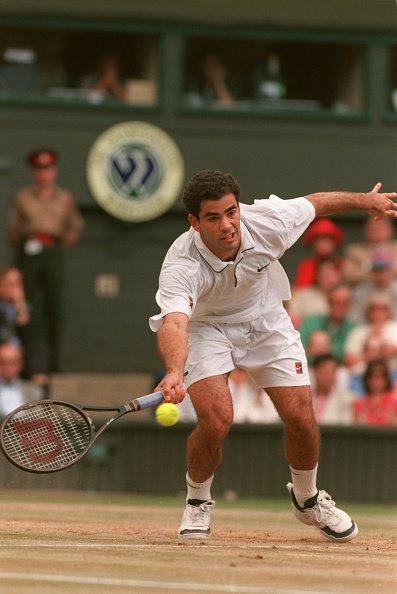
#10 Pete Sampras | United States | 14 majors
https://x.com/ESPNtenis
Sampras holds the lowest total on this list and the one that once looked untouchable. His 14 majors passed Roy Emerson’s record of 12 in 2000, and the mark stood as the men’s benchmark until Federer overhauled it. The distribution tells the story of his game: seven Wimbledons and five US Opens, built on a serve that shortened points to almost nothing on fast surfaces.
Roland Garros was the gap he never closed. A semi-final in 1996 was as far as he got, and the missing clay title is why his record reads as dominant rather than complete.
- 14 Grand Slam singles titles, all won in the Open Era
- Seven Wimbledon and five US Open crowns; two Australian Opens
- Broke Emerson’s 12-title record in 2000, the first man to do so
- The only player in this top 10 with no Roland Garros title
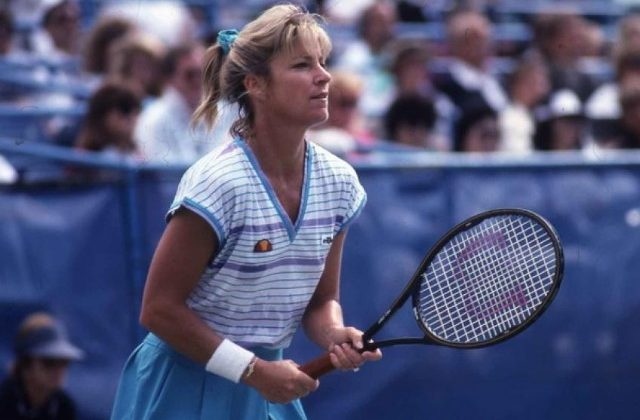
#9 Chris Evert | United States | 18 majors
https://x.com/TousPoulidor
Evert ties Navratilova on 18 and loses the position on their head-to-head in major finals, 4–10. That statistic flatters her rival more than it describes Evert, whose consistency across surfaces was the defining feature of women’s tennis for a decade.
Seven Roland Garros titles anchor her record, the most of any player on this list outside Nadal. Six US Opens and three Wimbledons complete a portfolio that no contemporary matched for balance, and her clay-court record remains one of the most dominant in tennis history.
- 18 Grand Slam singles titles, all in the Open Era
- Seven Roland Garros titles — the most by any woman on this ranking
- Six US Open and three Wimbledon championships
- Separated from Navratilova only by their 4–10 record in major finals
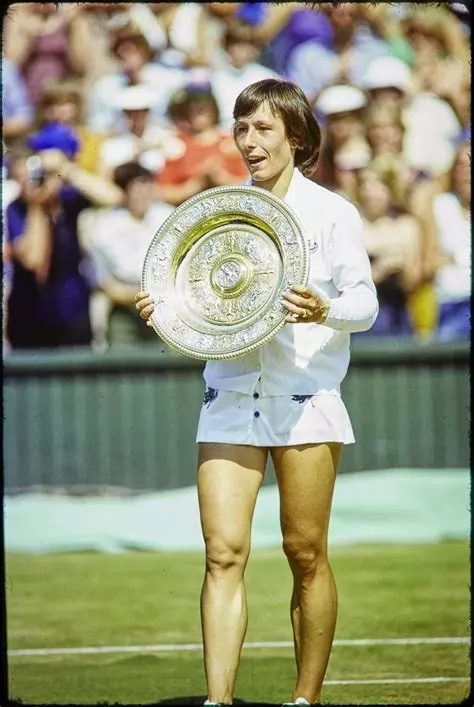
#8 Martina Navratilova | United States | 18 majors
https://x.com/LatanneRene
Navratilova takes eighth on the strength of those finals, where she beat Evert ten times to four. Her nine Wimbledon singles titles remain the record at the event, and they explain why grass became synonymous with her name.
The serve-volley game she built was a deliberate athletic project rather than a natural gift, and it made her the most complete attacking player the women’s tour has produced. Her 18 majors sit alongside a doubles record — 59 titles across all disciplines — that most careers could not accommodate as a footnote.
- 18 Grand Slam singles titles, all in the Open Era
- Nine Wimbledon singles titles, the most in the tournament’s history
- 59 major titles across singles, doubles and mixed combined
- Holds the tiebreaker over Evert 10–4 in Grand Slam finals
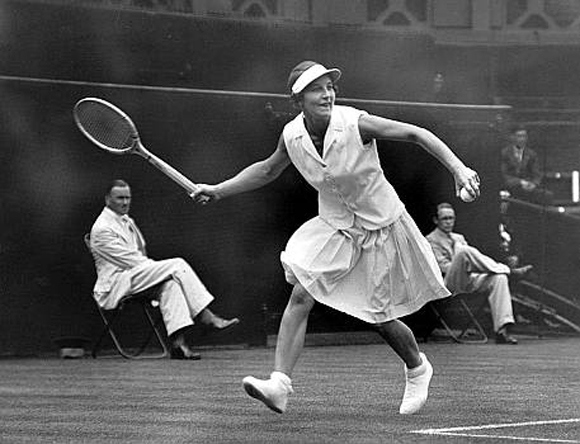
#7 Helen Wills Moody | United States | 19 majors
https://x.com/TheWhipNovel
Wills Moody is the outlier on this list and the reason the counting rule matters. All 19 of her titles came before 1968, which means none of them registers in the Open Era column — a zero that sits beside a total higher than Navratilova’s or Evert’s.
She never entered the Australian Championships, so her 19 were built from three events rather than four. Eight Wimbledons, seven US Championships and four at Roland Garros, at a time when transatlantic travel made a full major schedule impractical for almost everyone.
- 19 Grand Slam singles titles, every one of them pre-Open Era
- Eight Wimbledon titles, second only to Navratilova’s nine in women’s singles
- Seven US Championships and four Roland Garros crowns
- Never competed at the Australian Championships
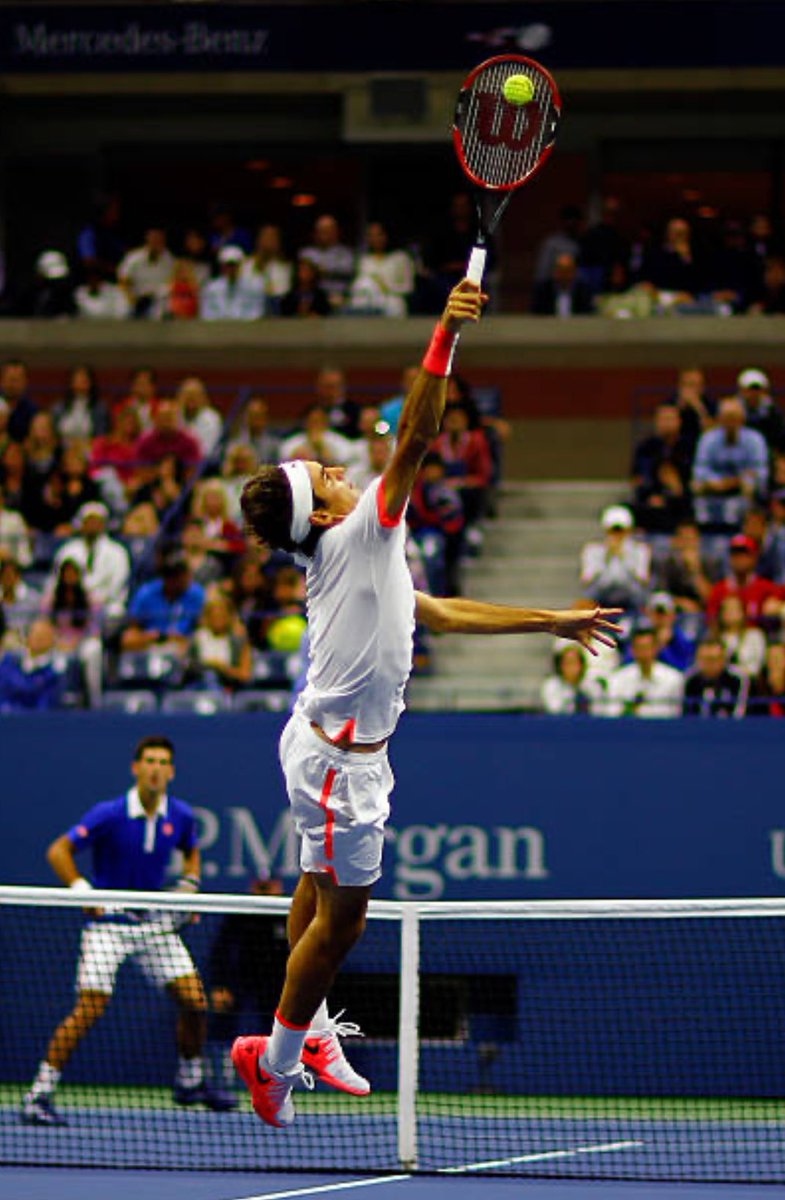
#6 Roger Federer | Switzerland | 20 majors
https://x.com/4everRFfan
Federer’s 20 majors were the men’s record before Nadal and Djokovic passed him, and the shape of his haul is the most evenly spread of anyone near the top. Eight Wimbledons — the most by any man — plus six Australian Opens and five US Opens.
The single Roland Garros title is the line that separates him from the two players who eventually overtook him. He reached the summit of men’s tennis first and defined the standard the others had to chase, which is a different kind of achievement from the one the raw total records.
- 20 Grand Slam singles titles, all in the Open Era
- Eight Wimbledon titles, the men’s record at the event
- Titles at all four majors, including Roland Garros in 2009
- Held the men’s record for most Grand Slam titles until Nadal drew level
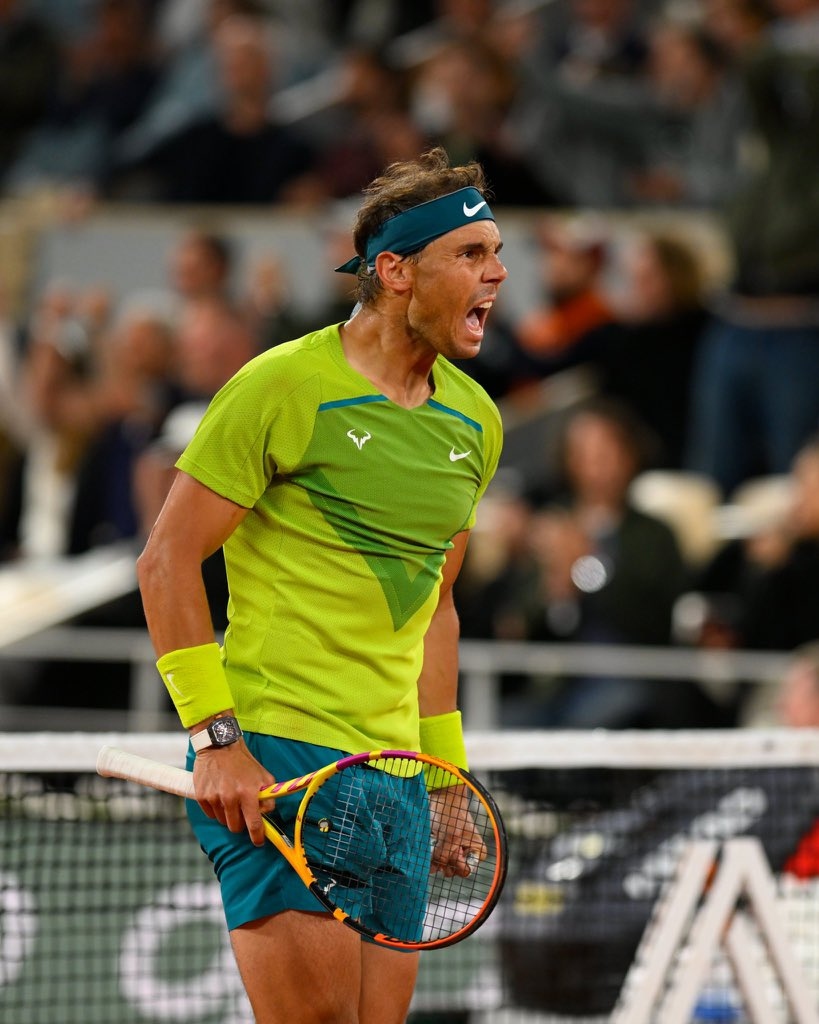
#5 Rafael Nadal | Spain | 22 majors
https://x.com/rnadalacademy
Fourteen Roland Garros titles. No player on this list — no player in the sport — has dominated a single event to that degree, and it accounts for nearly two-thirds of his major haul.
Nadal ties Graf on 22 and loses fifth place on the Golden Slam tiebreaker, which is a harsh way to lose a position but a consistent one. Away from Paris he won four US Opens, two Australian Opens and two Wimbledons, a record that would place him among the greats even with the clay removed entirely.
- 22 Grand Slam singles titles, all in the Open Era
- 14 Roland Garros titles — the most by any player at any single major
- Career Grand Slam completed with titles at all four events
- Level with Graf on 22; separated only by her 1988 Golden Slam
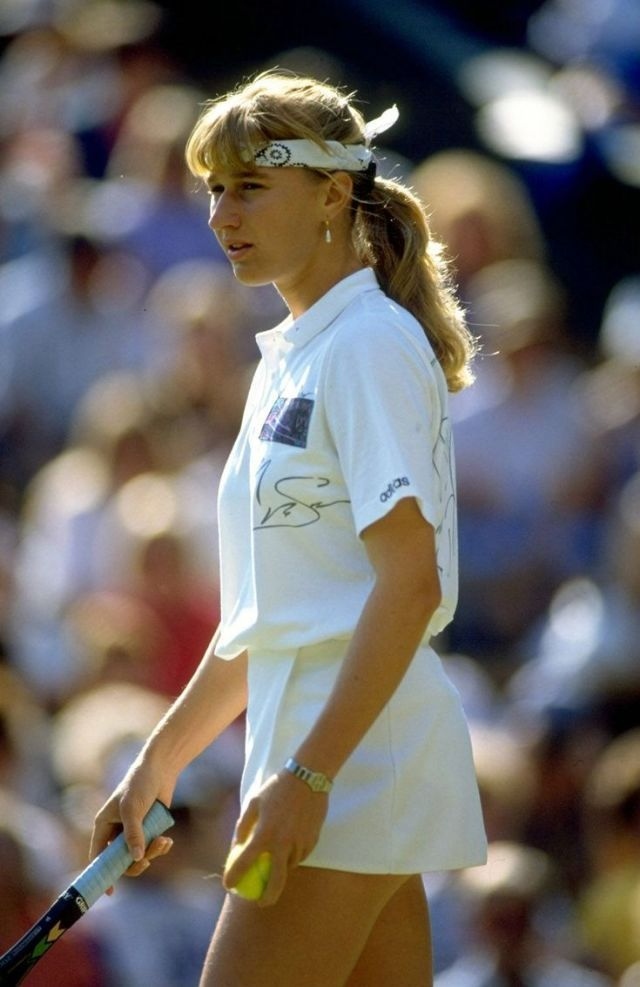
#4 Steffi Graf | Germany | 22 majors
https://x.com/DPrasanthNair
Graf holds fourth on the strength of 1988: all four majors and Olympic gold inside a single calendar year. She remains the only able-bodied player to do it — Diede de Groot and Dylan Alcott matched the feat in wheelchair and quad singles in 2021 — and under the tiebreaker rules it is worth a place.
Her 22 titles are the most balanced set on this list — seven Wimbledons, six Roland Garros, five US Opens and four Australian Opens, with at least four at every event. That spread is the clearest answer to anyone arguing a great record can be built on one surface.
- 22 Grand Slam singles titles, all in the Open Era
- The only Golden Slam in able-bodied tennis, achieved in 1988
- At least four titles at each of the four majors
- Seven Wimbledon and six Roland Garros championships
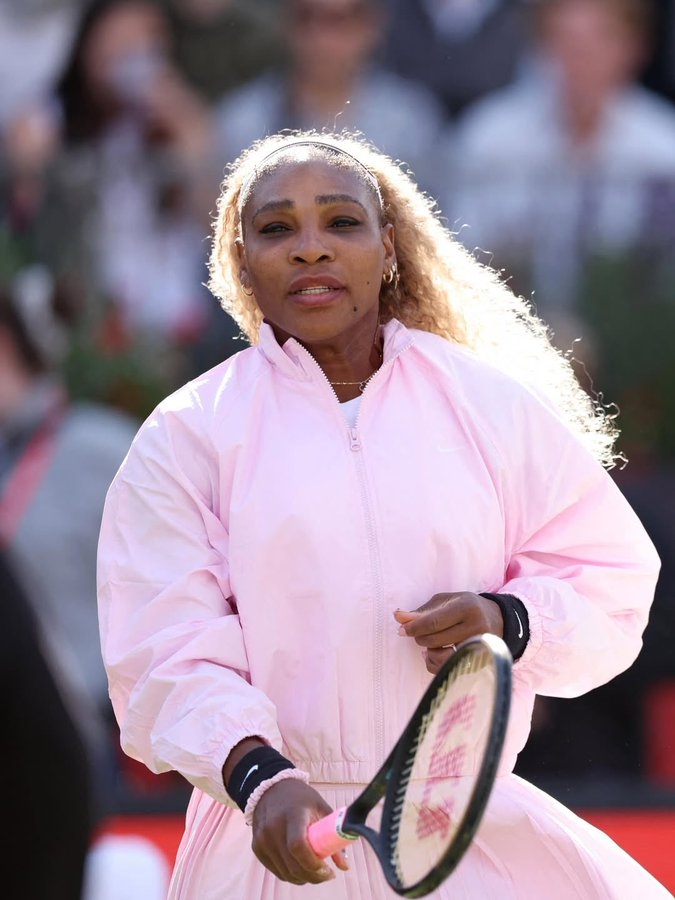
#3 Serena Williams | United States | 23 majors
https://x.com/AthleteVanity
Twenty-three is the Open Era record for a woman, and Williams built it across two decades against three distinct generations of opponents. Seven Australian Opens, seven Wimbledons, six US Opens and three Roland Garros titles.
She sits one behind the two players tied at the summit, and the gap is a single match on a handful of occasions when it mattered most. The longevity is the remarkable part: no one else in the top five spread their majors across a comparable stretch of tennis history.
- 23 Grand Slam singles titles, all in the Open Era
- The most major singles titles by any woman in the Open Era
- Seven Australian Open and seven Wimbledon championships
- 39 major titles across singles, doubles and mixed combined
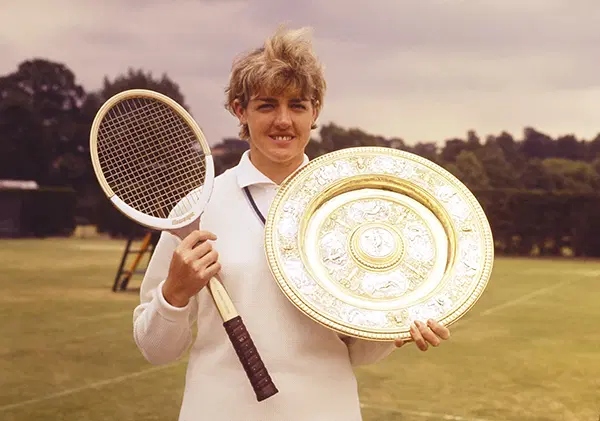
#2 Margaret Court | Australia | 24 majors
https://x.com/MarioNawfal
Court’s 24 is the raw record, matched but never beaten, and 11 of those came at her home Australian Championships — a total no player has approached at any event other than Nadal in Paris.
The tiebreaker places her second: 11 of her 24 came in the Open Era, against Djokovic’s 24. That is a methodological judgment rather than a dismissal. Her all-disciplines total of 64 titles remains the highest figure in the sport’s records, and her place in any discussion of the most Grand Slams in tennis history is permanent.
- 24 Grand Slam singles titles, the joint-highest total on record
- 11 Australian Championships, the outright record at the event
- 64 major titles across all disciplines — the highest in tennis history
- 11 of her 24 singles majors came in the Open Era
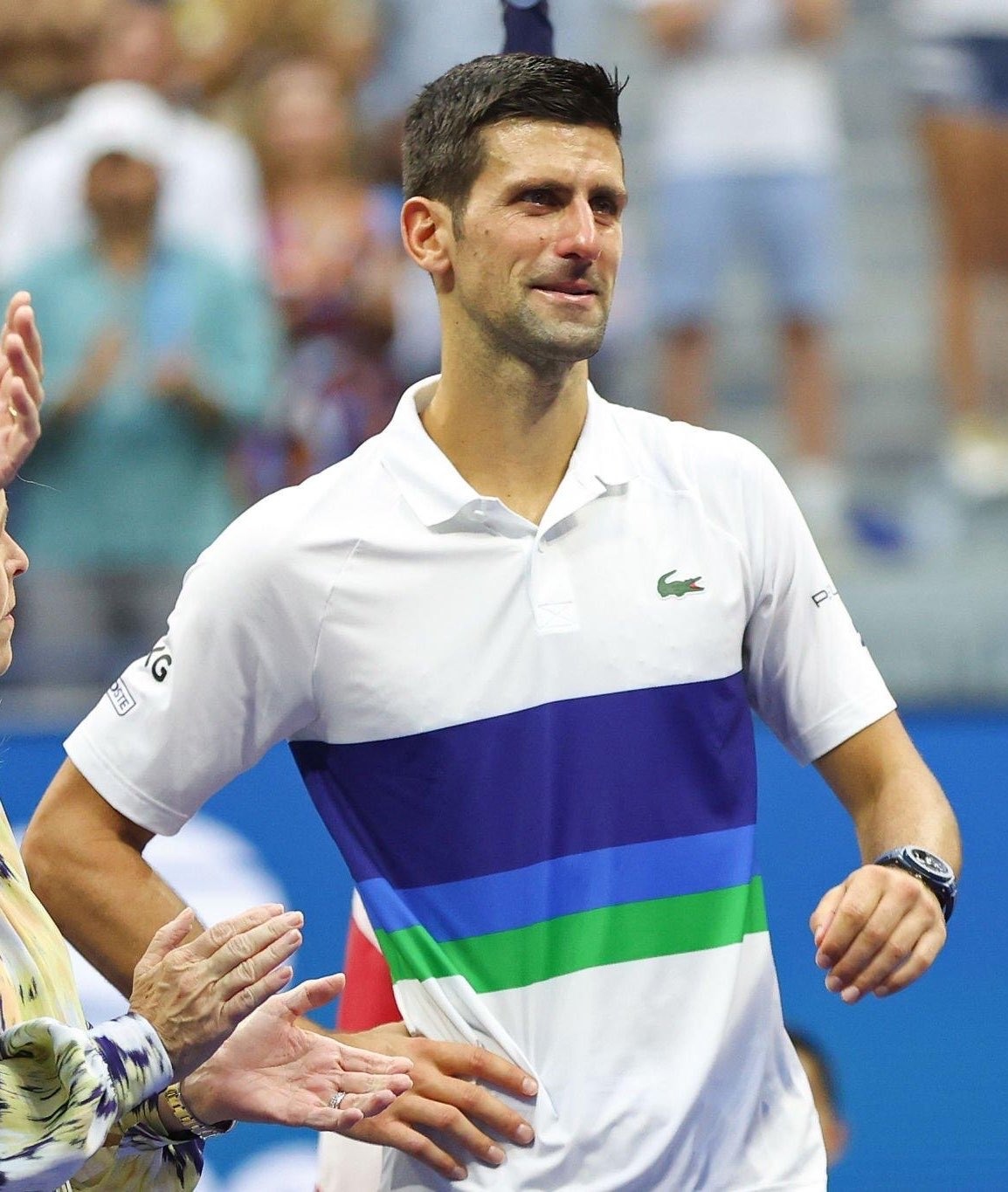
#1 Novak Djokovic | Serbia | 24 majors
https://x.com/UniversTennis
Djokovic takes the top position on the Open Era tiebreaker, and it is not close: all 24 of his majors were won against full professional fields, against Court’s 11. On the criteria set out above, that is the cleanest possible separation of two identical totals.
Ten Australian Opens form the core, alongside seven Wimbledons, four US Opens and three Roland Garros titles. Winning that many at four venues while sharing an era with Federer and Nadal is the detail that distinguishes his record from every other on this list.
He is also the only player in the top 10 still competing. At 38 he reached the 2026 Australian Open final, losing to Carlos Alcaraz, and the hunt for a 25th major continues.
- 24 Grand Slam singles titles, every one in the Open Era
- Ten Australian Open titles, the men’s record at the event
- Titles at all four majors, with at least three at each
- The highest Open Era major count of any player, male or female
Honourable Mentions
The list stops at fifteen names, and the cut is clean. Bill Tilden’s ten is the last unique title count in the combined ranking: below him sit Maureen Connolly and Monica Seles on nine apiece, then a seven-way pile-up on eight — Fred Perry, Ken Rosewall, Jimmy Connors, Ivan Lendl, Andre Agassi, Suzanne Lenglen and Molla Mallory — that no tiebreaker separates meaningfully. These five sit between the top 10 and that logjam.
Billie Jean King (United States) — 12. Eight of her twelve came in the Open Era, which places her above Emerson on the tiebreaker. Her influence on prize money and the economics of the women’s game exceeds anything a title count can convey.
Roy Emerson (Australia) — 12. Every title won before 1968. He stayed amateur rather than turning professional, which is exactly why he remained eligible for majors that his stronger contemporaries were barred from entering. His record of 12 stood until Sampras passed it in 2000.
Björn Borg (Sweden) — 11. Six Roland Garros and five Wimbledons inside eight years, all in the Open Era, with no hard-court major and a retirement at 26.
Rod Laver (Australia) — 11. Six pre-Open, five after, and the only man to complete a calendar Grand Slam twice — 1962 as an amateur, 1969 as a professional. The five prime years between them were spent banned from majors for having turned pro.
Bill Tilden (United States) — 10. Seven US Championships, a shared all-time record with Richard Sears and Bill Larned, plus three Wimbledons. All pre-Open Era.
Rankings like this shift with every fortnight of major tennis. Three of the fifteen names here are separated by tiebreakers rather than titles, and a single result can rearrange the order.
Legacy and Future of the Grand Slam Record
The most striking feature of this ranking is how compressed the top has become. Five players sit within two titles of the record, and four of them competed inside the last thirty years. That is not a coincidence — longer careers, better conditioning and year-round scheduling have made sustained major-winning far more achievable than it was for Wills Moody or Tilden.
Whether that continues is the open question, and 2026 suggested not. The four majors went to three different men: Carlos Alcaraz completed the career Grand Slam in Melbourne, becoming the youngest man ever to do so at 22 and taking his total to seven; Jannik Sinner defended Wimbledon for a fifth major; and Alexander Zverev won Roland Garros and the US Open for his first two. None of the three is inside this top 15, and Alcaraz would need another decade of that rate to threaten it.
The women’s field is broader still. Elena Rybakina took the Australian Open and the US Open to reach three majors, Linda Nosková won her first at Wimbledon, and Iga Świątek sits on six — the most of any active woman, and eighteen short of the record.
Reaching 24 demands roughly fifteen years of winning at least one major per season. Nobody currently playing is close, and a tour this competitive makes the climb harder rather than easier. The record set by Court and matched by Djokovic looks safe for a decade at minimum.
Frequently Asked Questions
Who has the most Grand Slams in tennis?
Novak Djokovic and Margaret Court are tied on 24 singles titles. Djokovic ranks first because all 24 of his came in the Open Era, against Court’s 11.
Who has the most Grand Slams in men’s tennis?
Novak Djokovic, with 24. Rafael Nadal follows on 22 and Roger Federer on 20, making this the strongest generation of major winners in men’s tennis history.
Which female player has the most Grand Slam titles?
Margaret Court with 24, though 13 came before 1968. Serena Williams holds the Open Era record on 23, with Steffi Graf next on 22.
What counts as a Grand Slam title in this ranking?
Singles titles at the Australian Open, Roland Garros, Wimbledon and the US Open only. Doubles, mixed doubles, Olympic gold and year-end finals are all excluded.
Why is Margaret Court ranked second despite being level on 24?
The first tiebreaker is Open Era titles, won against full professional fields. Djokovic has 24 of those; Court has 11 of her 24.
Has anyone won all four majors in the same year?
Five players: Don Budge, Maureen Connolly, Rod Laver (twice), Margaret Court and Steffi Graf. Graf added Olympic gold in 1988 for the only able-bodied Golden Slam.
Which player has won the most titles at a single major?
Rafael Nadal, with 14 Roland Garros titles. Margaret Court’s 11 Australian Championships and Novak Djokovic’s 10 Australian Opens are the closest equivalents.