
Betting approaches are often applied uniformly across sports: the same stake, the same market, the same weekend routine. That uniformity is a common reason bankrolls decline over the course of a season. A sports betting strategy performs best when it is adapted to the structure of the sport it addresses. Baseball rewards close attention to pitching data. Basketball requires careful reading of scheduling and rest. Tennis can turn on a single service game. Bankroll mathematics remains constant across all disciplines, though the analysis, the timing and the choice of market differ considerably. The sections below set out betting strategies by sport, followed by the principles that apply throughout.
What Is a Sports Betting Strategy?
The question what is a sports betting strategy is frequently answered with a description of staking plans, which addresses a separate matter. A strategy is more specific: it is a repeatable process for identifying prices that do not reflect the true probability of an outcome, and for sizing stakes against that difference.
Three components are required. The first is a source of opinion, whether a statistical model, a dataset, or informed knowledge of the sport. The second is a price against which that opinion can be compared. The third is a decision rule governing marginal cases, where opinion and price differ only slightly. Without the third component, a bettor tends to wager on every event examined.
Betting Systems Compared With Betting Strategies
A common question is how does a betting system work. The expected answer usually concerns progressions, and the distinction matters. Martingale, Fibonacci and d’Alembert are staking sequences rather than sources of edge. They redistribute wins and losses over time without altering the expected value of any individual wager. A betting system that works is, in practice, a strategy with a staking method attached, and the staking method is the secondary element.
No betting formula guarantees a profit. What is available is a set of betting techniques that reduce the effect of the bookmaker’s margin, take advantage of slow line movement, and preserve a bankroll long enough for genuine skill to become measurable.
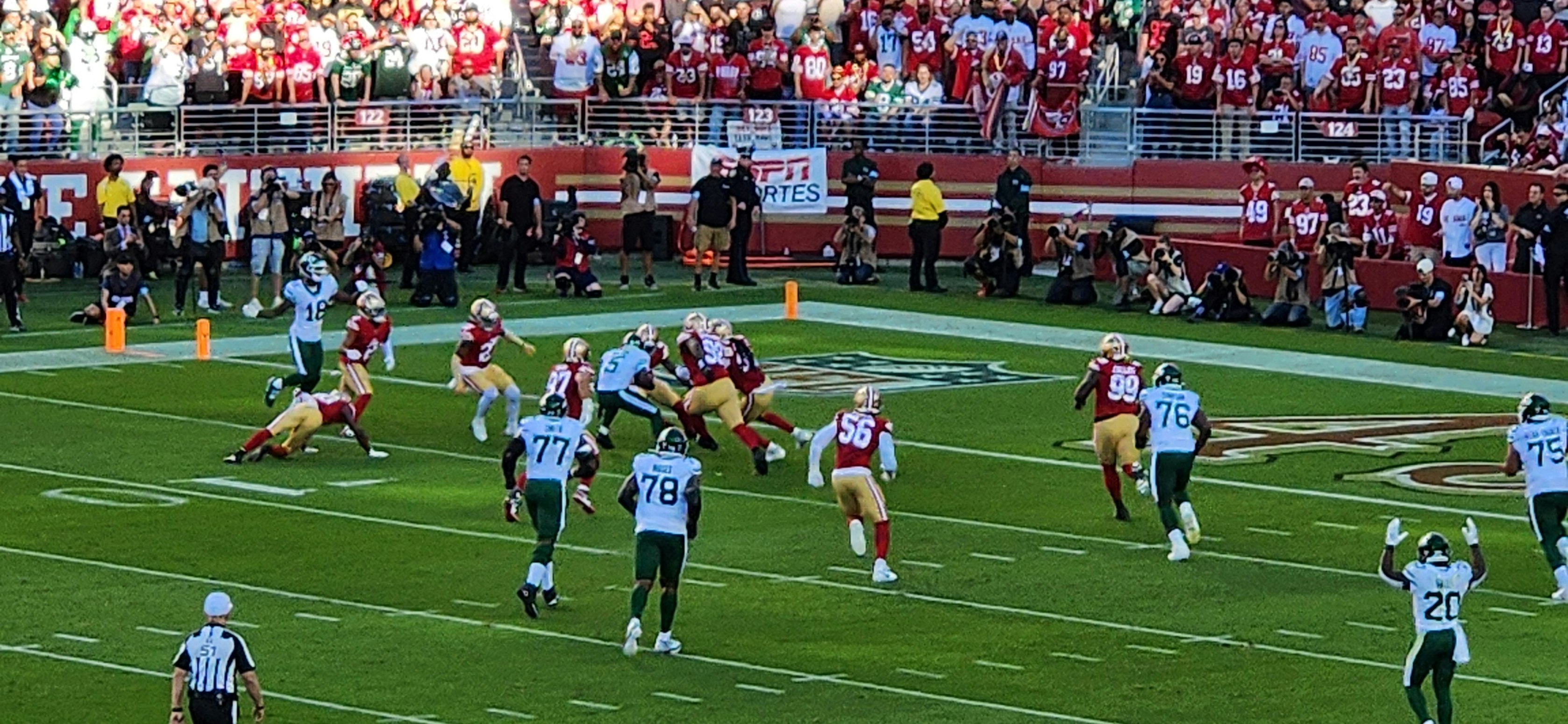
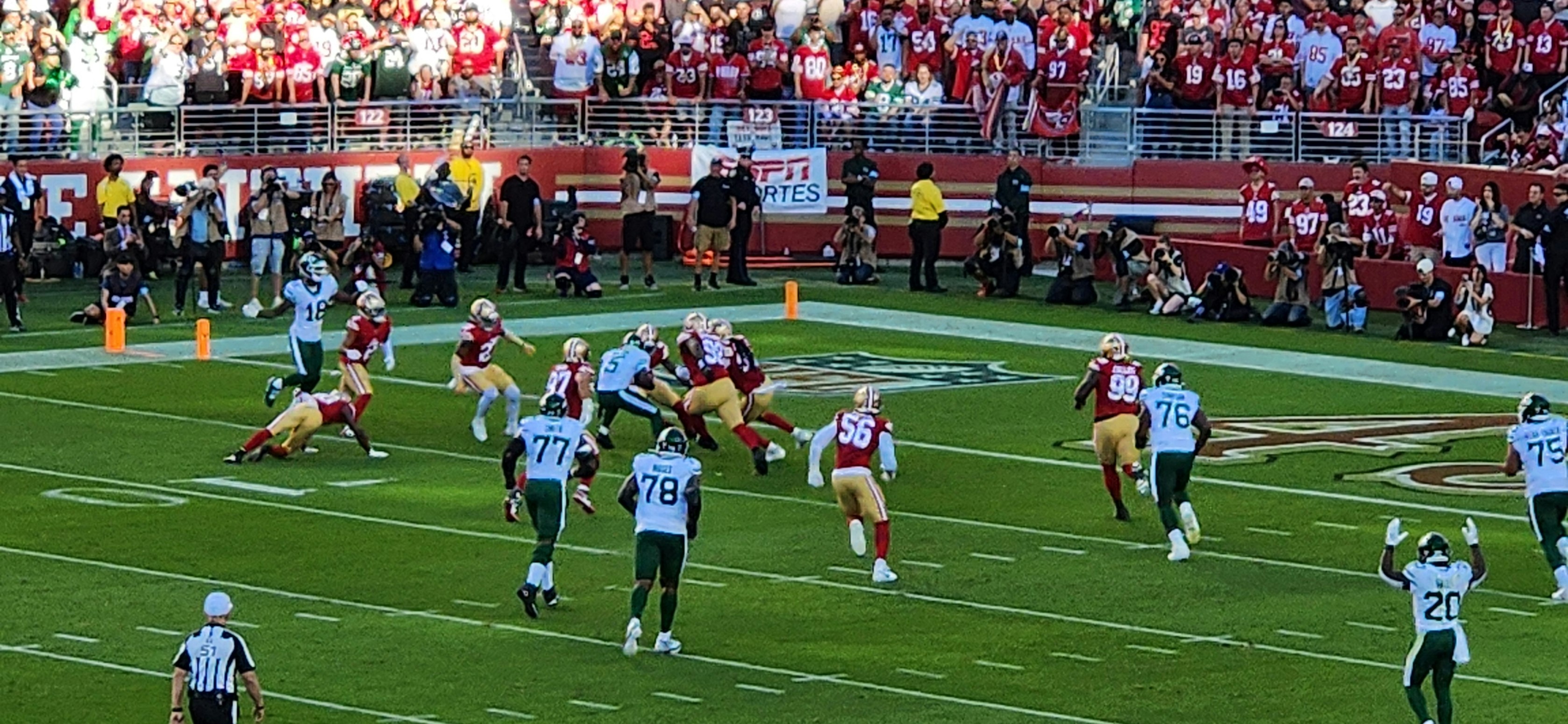
Football Betting Strategy (NFL)
American football is among the most heavily modelled sports on the board, so opinion alone rarely outperforms the closing price. The available edge tends to lie in timing and in the structure of the scoring system.
Key numbers are central. Margins of 3 and 7 occur more frequently than an even distribution would suggest, reflecting the values of a field goal and a converted touchdown. Buying or selling half a point around those figures therefore carries a cost or a benefit depending on the direction of the move. A spread of -2.5 and a spread of -3.5 represent materially different propositions.
Line movement follows a weekly pattern. Professional money tends to arrive shortly after openers are posted, and recreational money accumulates closer to kick-off, so the same team may offer value early in the week and poor value late. Totals respond to weather forecasts, and wind exerts a greater influence than temperature. Indoor venues remove that variable entirely.
Player props represent the least efficient part of the NFL board. Operators price a large volume of them each week and cannot refine all of them to the same standard. News concerning a secondary receiver may have limited effect on the game line while altering the distribution of targets substantially.
https://unsplash.com/@mkaine17
Soccer Betting Strategy
Soccer is low scoring and produces draws at a high rate, which affects the structure of every market. The 1×2 market contains three outcomes rather than two, so favourite-longshot bias operates differently, and the draw is often underpriced in fixtures between evenly matched mid-table sides.
Expected goals models have changed how results are interpreted. Scorelines can be misleading over short samples: a team may lose several consecutive matches while generating better chances than its opponents. Backing such a team once public perception has adjusted, but before the underlying figures move, is among the more durable approaches available in the sport.
Asian handicap markets remove the draw and carry a lower margin, which explains their popularity among experienced bettors. Over/under 2.5 goals is the other liquid market, and it responds more directly to tactical approach than to squad quality. Motivation becomes relevant late in the season, when a mid-table side with little to play for meets an opponent facing relegation.

https://unsplash.com/@viennachanges
NBA Betting Strategy
Basketball produces a high number of possessions and frequent scoring, which makes it well suited to statistical analysis and, for the same reason, efficiently priced. Pace and efficiency data are widely available to the market.
Scheduling remains a useful variable. Games on consecutive nights, a third game within four nights, and extended road trips across time zones all affect shooting accuracy and defensive rotation, and prices do not always account for these effects in full, especially at mid-season. Rest decisions for leading players are sometimes announced shortly before tip-off, and lines move sharply when they are. Waiting for confirmed lineups is a matter of discipline rather than delay.
Live betting suits basketball because scoring runs are frequent and in-play prices respond quickly to them. A 12-0 sequence in the second quarter often moves the line further than the corresponding change in win probability justifies. Bettors intending to take the opposing side should determine the stake in advance.

https://unsplash.com/@markusspiske
MLB Betting Strategy
Baseball is the sport in which a betting strategy that works most often rests on individual matchups. The starting pitcher accounts for a substantial share of the price, and platoon splits between left-handed and right-handed batters are measurable.
First five innings markets deserve more attention than they generally receive. They allow a position on the starting pitching matchup without exposure to relief pitching, which removes a significant source of variance from a full-game wager. Bullpen availability is a related consideration: relievers used heavily in a long game the previous night are frequently unavailable, and prices adjust to this slowly.
Ballpark dimensions, umpire tendencies in calling the strike zone, and wind conditions all affect totals. The run line is set at 1.5 runs, which sits awkwardly for a sport producing a high proportion of one-run games; value is more often found on the underdog receiving the runs.
Volume presents a distinct risk. The schedule produces roughly fifteen games a day across six months, and betting all of them reduces any edge to a negligible figure.

https://unsplash.com/@billstephan
NHL Betting Strategy
Hockey carries high variance relative to the other major North American leagues, and individual results are strongly influenced by chance. Goaltending affects outcomes more than any single position in the other sports covered here, so confirmation of the starting goaltender should precede any wager.
Shot quality metrics, high-danger chance differentials and zone-entry data distinguish a strong team from one benefiting from favourable variance. A club recording an unusually high team save percentage across a short run of games is unlikely to sustain it, and regression tends to arrive without warning. Opposing teams that have outperformed their underlying numbers is therefore a defensible position.
The puck line is set at 1.5 goals and is frequently misread. Empty-net goals inflate late margins, which makes two-goal victories appear more common than the balance of play suggests. Totals of 5.5 and 6 carry the most liquidity, and consecutive-night scheduling for a travelling team remains a meaningful signal.
https://unsplash.com/@jesswilsonww24
Tennis Betting Strategy
Tennis is an individual sport with a scoring format that converts small differences in ability into large differences in win probability. Surface is the first consideration in any assessment. A player suited to clay may be poorly placed on a fast indoor hard court, and prices sometimes adjust slowly during the first week after a change of surface.
Serve and return statistics form the basis of most analysis: hold percentage, break points saved, and first-serve points won. Second-serve return points won carries strong predictive value in the men’s game and separates defensive players from those relying on power.
Set betting and games handicaps generally offer better value than match winner markets, though they require a more precise assessment. In-play tennis attracts substantial volume because momentum within a set is visible and pricing algorithms respond to individual points rather than to longer patterns. Rules governing retirements vary between operators and should be reviewed before an in-play wager is placed.
Fatigue becomes a factor in the second week of a Grand Slam, especially for players who have already completed several five-set matches.

https://unsplash.com/@bvp
Horse Racing Betting Strategy
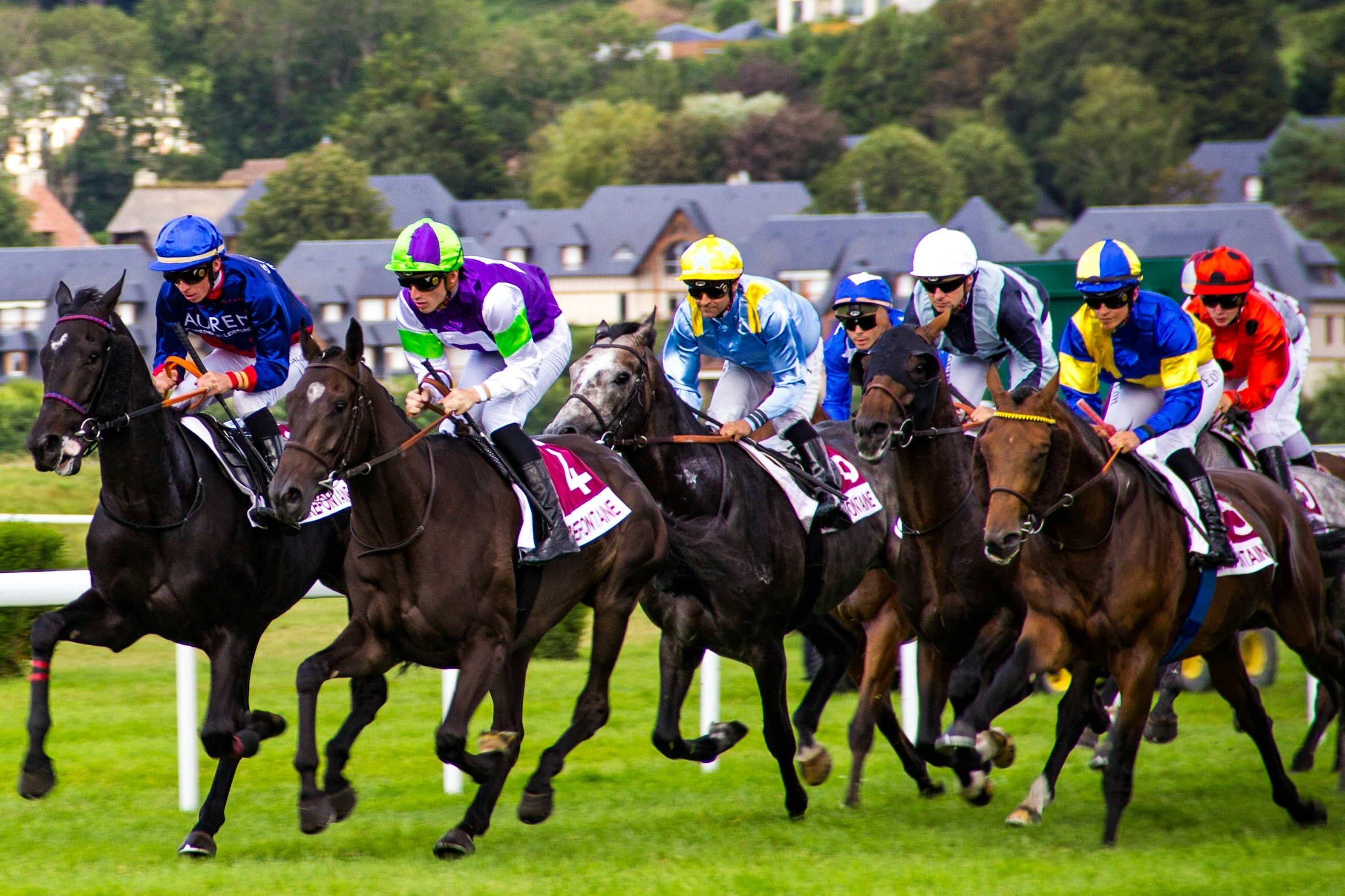
Horse racing operates on pari-mutuel pools in some jurisdictions and fixed odds in others, and the distinction determines the approach. In pool betting, a bettor competes against other participants after the deduction of takeout. With fixed odds, the competition is against the bookmaker’s assessment.
Form analysis rewards thoroughness. Class movements, ground preference (horses suited to soft going often perform poorly on firm ground), trainer form over recent weeks, and jockey bookings all carry weight. Draw bias at certain courses represents a structural factor that prices reflect only in part.
Each-way betting merits closer examination than it commonly receives. The place element functions as a separate wager at fixed terms, and in large fields where additional places are offered, value may reside entirely in that portion of the bet. Betting exchanges allow a bettor to take the opposing position, which alters how value is assessed.
https://unsplash.com/@ourselp
Sport-by-Sport Comparison
| Sport | Sharpest market | Main edge source | Common error | Preferred timing |
|---|---|---|---|---|
| NFL | Point spread | Key numbers, player props | Buying through 3 | Early week, at the opener |
| Soccer | Asian handicap | Expected goals, motivation | Relying on recent results | Midweek, before team news |
| NBA | Spread and totals | Rest, pace, lineup news | Wagering before confirmations | Late, after injury reports |
| MLB | First five innings | Pitcher matchups, bullpen state | Betting the full daily schedule | Once lineups are posted |
| NHL | Puck line, totals | Goaltender news, shot quality | Misreading empty-net margins | After goaltender confirmation |
| Tennis | Games handicap | Surface fit, serve data | Overlooking retirement rules | After the draw, before play |
| Horse racing | Each-way, exchange | Going, class, draw bias | Backing short-priced favourites | Morning line through to the off |
Bankroll Principles That Apply Across Sports
The sport changes. The following does not.
- Stake between 1% and 3% of the bankroll on each wager, at a flat rate, without adjustment for confidence.
- Record every wager, including the price taken and the closing price. Consistently beating the closing line is a better indicator of skill than short-term profit.
- Maintain accounts with several operators. Comparing prices is the most accessible improvement available and requires no analytical ability.
- Avoid increasing stakes after losses. Progressive staking converts a poor session into a larger deficit.
- Set a loss limit for the week in advance and treat it as fixed.
Pre-Bet Checklist
The following questions take under a minute to answer and remove most impulsive wagers.
- What probability do I assign to this outcome, expressed as a number?
- Does the available price exceed the value implied by that probability?
- Have lineups, goaltenders, weather or ground conditions been confirmed, as applicable?
- Is this stake consistent with recent stakes?
- Would this wager be placed if the event were not being broadcast?
Betting should be treated as a form of entertainment with an associated cost. Where that ceases to be the case, the deposit limits and self-exclusion tools offered by licensed operators provide a means of stepping back.
FAQ
What is the best sports betting strategy for beginners?
Flat staking on a single familiar sport, in one liquid market, with results recorded against closing lines. The approach is straightforward and generally outperforms more complex alternatives.
How does a betting system work compared with a strategy?
A system determines stake size across a sequence of bets. A strategy determines which bets to place. Systems cannot create value in wagers that hold none; strategies are the attempt to locate that value in the first instance.
Is there a professional betting strategy that guarantees profit?
No. Professional bettors target a small edge across a large sample and accept losing periods as a feature of the mathematics. No method removes the possibility of loss.
Which sport is easiest to bet profitably?
Lower-profile competitions in any sport, since operators allocate fewer resources to pricing them. Among the major leagues, MLB and NHL carry more variance-driven mispricing than the NFL.
Do betting systems that work actually exist?
Value betting, arbitrage and price comparison are the closest available to reliable methods. All three require volume, accurate records and careful account management, and none resembles the staking progressions marketed online.
How much should be staked on each event?
Between one and three percent of the total bankroll. Where a single result would materially damage the balance, the stake is too large.
Does betting strategy differ between football and soccer?
Substantially. NFL strategy centres on key numbers and the timing of line movement, whereas soccer strategy centres on the draw, expected goals, and the handicap markets that remove the draw from consideration.