
These days, contracts feel temporary, badges feel lighter, and legends? Rare. That’s exactly why the idea of the best 20 one-club players of all time still hits so hard.
This isn’t just about talent. Plenty of great players bounced between giants. This list is about something stricter — players who gave everything to one badge, one stadium, one set of fans. Decade after decade. No shortcuts.
From Paolo Maldini quietly owning San Siro to Ryan Giggs reinventing himself across eras at Old Trafford, these names didn’t just play football — they became institutions. Some were captains. Some were symbols. A few basically the club itself.
In this best 20 one-club players ranking, we’re digging into careers built on consistency, identity, and stubborn loyalty in a sport that rarely rewards it.
Other rankings by tips.gg:
Criteria for Determining the Best 20 One-Club Players of All Time
Picking the best 20 one-club players in the world isn’t just about counting trophies and calling it a day. This ranking leans on a mix of performance, loyalty, influence — and a bit of instinct you only get after watching football for years.
Some players stayed at one club because they had no better offers. Others? They chose to stay when Real Madrid, Barcelona, or Bayern were knocking. That difference matters.
Longevity plays a huge role. If you’re still performing at a top level after 15+ seasons with the same team, that’s not normal — that’s legacy territory. Add leadership, tactical importance, and impact on big matches, and you start seeing who truly belongs among the greatest one-club players of all time.
Here’s how the ranking was shaped:
| Criteria | Description |
| Longevity | Number of seasons spent at one club, consistency over time |
| Performance Level | Individual quality, stats, and match impact |
| Trophies & Success | League titles, cups, European achievements |
| Loyalty Factor | Rejected transfers, commitment during tough periods |
| Influence | Leadership, captaincy, role in club identity |
| International Impact | Contributions with national team |
| Era Difficulty | Level of competition during the player’s career |
This combination helps build a top one club players rankings in world football that actually makes sense — not just a popularity contest.
The Best 20 One-Club Players of All Time
So here it is — the core of this best 20 one-club players ranking. Not just big names, but players who stayed, endured, and shaped their clubs in ways transfers can’t replicate.
This list moves from cult heroes and underrated loyalists to absolute icons of the game. Some dominated domestically, others ruled Europe, a few did both while quietly becoming the face of their club for decades.
We’re talking about players who didn’t just wear the shirt — they defined it.
Full Ranking Overview
| № | Player | Club | League | Debut |
|---|---|---|---|---|
| 20 | Franco Baresi | AC Milan | Serie A | 1977 |
| 19 | Julen Guerrero | Athletic Club | La Liga | 1992 |
| 18 | Matt Le Tissier | Southampton | EPL | 1986 |
| 17 | Dieter Eilts | Werder Bremen | Bundesliga | 1985 |
| 16 | Uwe Kamps | Borussia M’gladbach | Bundesliga | 1983 |
| 15 | Sergio Busquets | Barcelona | La Liga | 2008 |
| 14 | Xabi Prieto | Real Sociedad | La Liga | 2003 |
| 13 | Jon Andoni Larrañaga | Real Sociedad | La Liga | 1980 |
| 12 | Alessandro Costacurta | AC Milan | Serie A | 1986 |
| 11 | Michael Zorc | Borussia Dortmund | Bundesliga | 1981 |
| 10 | Erik Sikora | RC Lens | Ligue 1 | 1985 |
| 9 | Tony Adams | Arsenal | EPL | 1983 |
| 8 | Koke | Atlético Madrid | La Liga | 2009 |
| 7 | Manolo Sanchís | Real Madrid | La Liga | 1983 |
| 6 | Paul Scholes | Manchester United | EPL | 1994 |
| 5 | Jamie Carragher | Liverpool | EPL | 1997 |
| 4 | Giuseppe Bergomi | Inter Milan | Serie A | 1980 |
| 3 | Francesco Totti | AS Roma | Serie A | 1993 |
| 2 | Paolo Maldini | AC Milan | Serie A | 1985 |
| 1 | Ryan Giggs | Manchester United | EPL | 1991 |
Next up — this is where it gets detailed. Each player gets their own section, and yeah, some placements might sting depending on who you grew up watching.
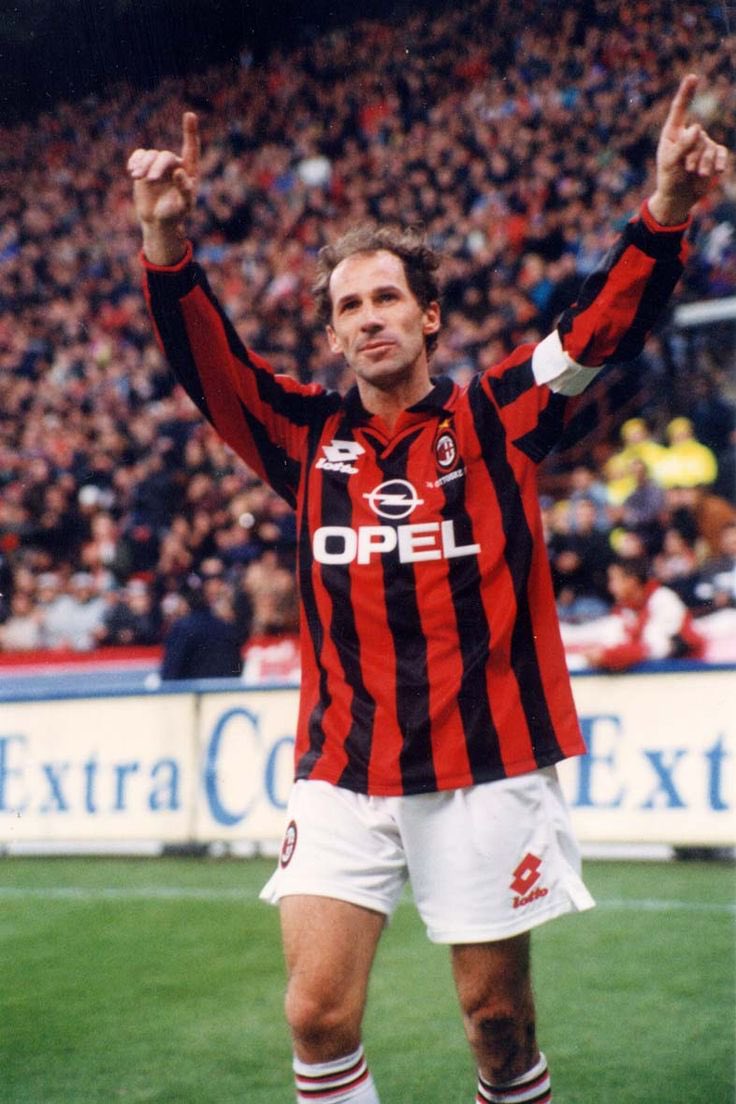
20. Franco Baresi — AC Milan
Source: https://x.com/Footballtweet
Baresi’s loyalty wasn’t tested at the top — it was tested at the bottom. He stayed with Milan even during relegation, which says more than any trophy ever could. As a defender, he was ahead of his time, reading the game with absurd clarity. He didn’t rely on strength or speed — just positioning and control. Teammates trusted him completely, and opponents rarely got past him cleanly. Even at #20, he elevates this entire list.
Key Achievements:
- 700+ appearances
- 6× Serie A
- 3× European Cup/UCL
- World Cup winner
- Milan captain
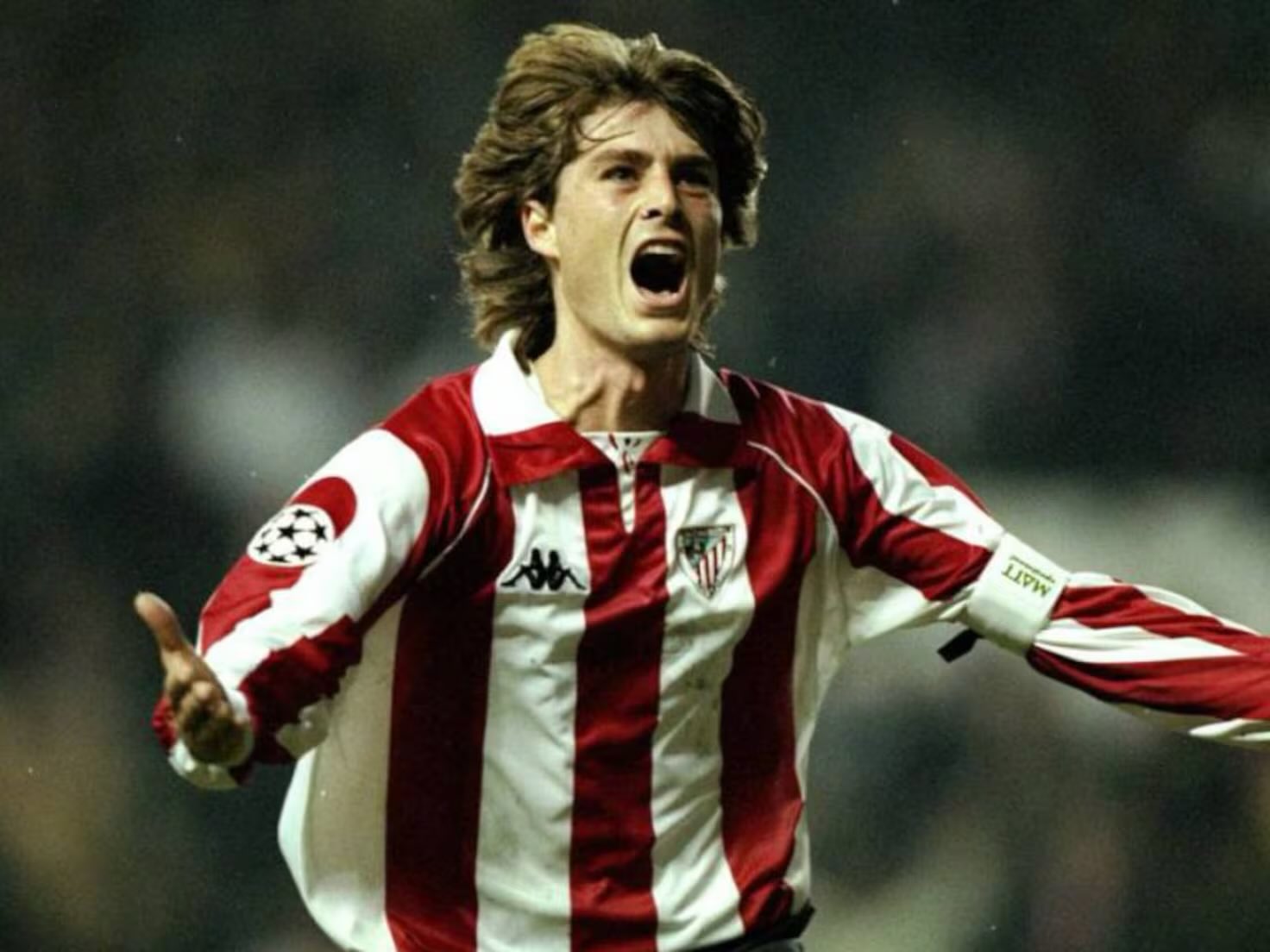
19. Julen Guerrero — Athletic Club
Source: https://x.com/PalmaCarlota
Guerrero had offers, real ones, from Spain’s biggest clubs, but never left Bilbao. That decision turned him into more than a player; he became a symbol. On the pitch, he was a midfielder with a striker’s instinct, always arriving at the right moment. He wasn’t built on pace or power, just awareness and timing. Fans connected with him because he represented something bigger than results. His later decline doesn’t erase how important he once was.
Key Achievements:
- 400+ appearances
- 100+ goals
- Spain international
- Club icon
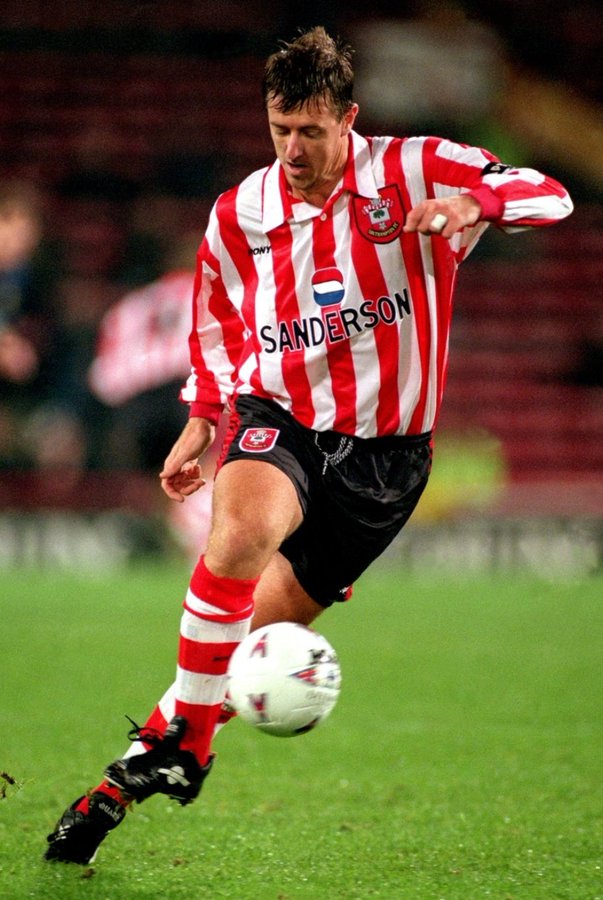
18. Matt Le Tissier — Southampton
Source: https://x.com/footballmemorys
Le Tissier played football on his own terms, and that’s exactly why people still talk about him. He could’ve left Southampton easily, but chose not to. Week after week, he produced goals that felt almost unfair — volleys, chips, impossible angles. He didn’t fit into rigid systems and probably wouldn’t today either. But give him the ball near the box, and something would happen. Talent like that doesn’t need trophies to be remembered.
Key Achievements:
- 200+ goals
- Elite penalty record
- England international
- PFA Young Player
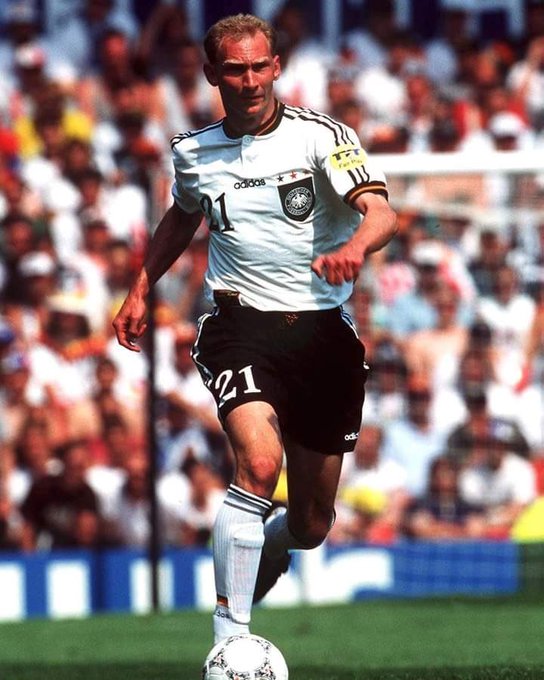
17. Dieter Eilts — Werder Bremen
Source: https://x.com/BJY_2152
Eilts wasn’t flashy, and that’s exactly why he worked. He played as a defensive midfielder before the role became fashionable, focusing purely on balance and control. His job was simple — win the ball, keep the structure, don’t overcomplicate things. And he did it for years at a high level. Coaches trust players like that more than stars. His influence wasn’t loud, but it was constant.
Key Achievements:
- 390+ appearances
- Bundesliga winner
- Euro 1996 champion
- Multiple cups
16. Uwe Kamps — Borussia M’gladbach
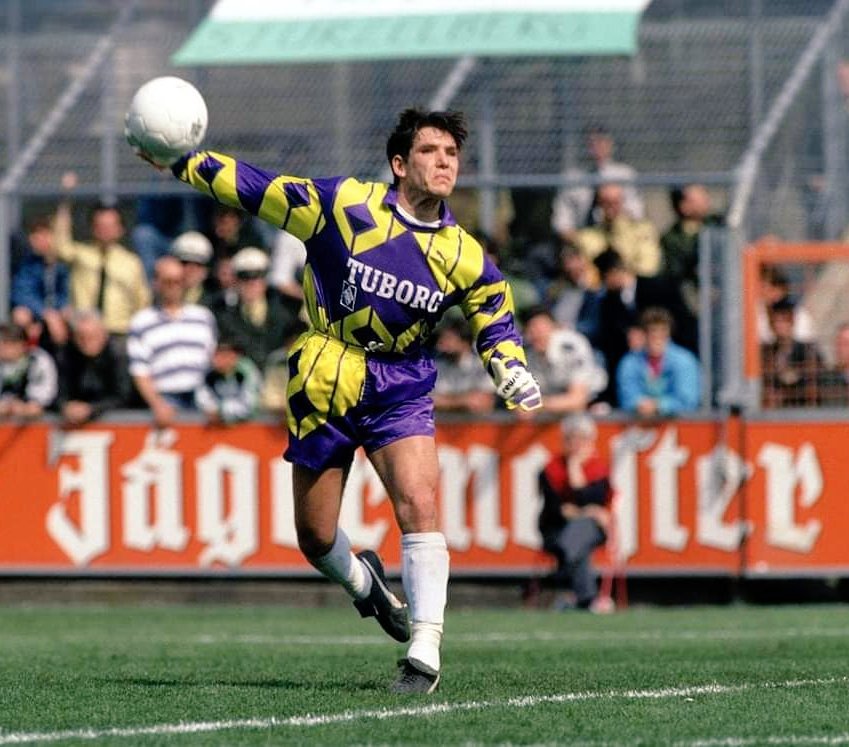
Source: https://x.com/SuperbFootyPics
Kamps built his reputation through endurance. Staying nearly two decades as a goalkeeper at one club isn’t easy — form dips, competition rises, pressure builds. He handled all of it. Not the most elegant keeper, but capable of huge performances in key moments. Especially in cup games, he had a habit of stepping up. Fans value that kind of reliability more than perfection.
Key Achievements:
- 450+ appearances
- DFB-Pokal winner
- Long-term starter
15. Sergio Busquets — Barcelona
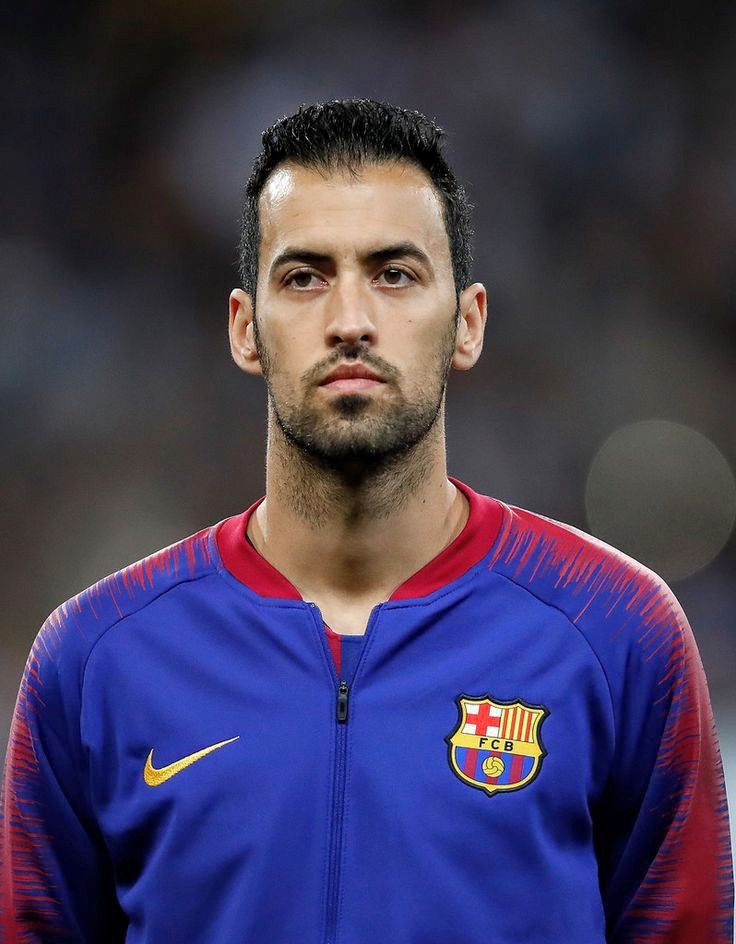
Source: https://x.com/AlphaIndextz
Busquets made elite football look simple, which is probably why he was underrated for so long. He didn’t run much, didn’t tackle aggressively, didn’t score, but controlled everything. His positioning and awareness allowed Barcelona to function at their peak. Under pressure, he was always calm, always one step ahead. Managers trusted him completely because he never broke structure. He wasn’t the star, but he made the stars work.
Key Achievements:
- 700+ appearances
- UCL & La Liga titles
- World Cup + Euro
14. Xabi Prieto — Real Sociedad
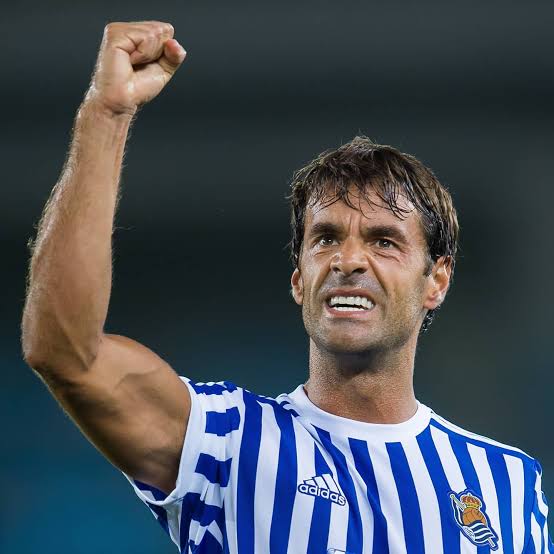
Source: https://x.com/LaLigaLocaID
Prieto stayed when leaving would’ve been easier. Relegation, uncertainty, lack of spotlight — he accepted all of it. That loyalty shaped his legacy more than any individual award could. On the pitch, he was technically clean and tactically smart. Not dominant physically, but always reliable. He led quietly, without needing attention. That kind of presence matters more than people admit.
Key Achievements:
- 500+ appearances
- 100+ goals
- Club captain
13. Jon Andoni Larrañaga — Real Sociedad
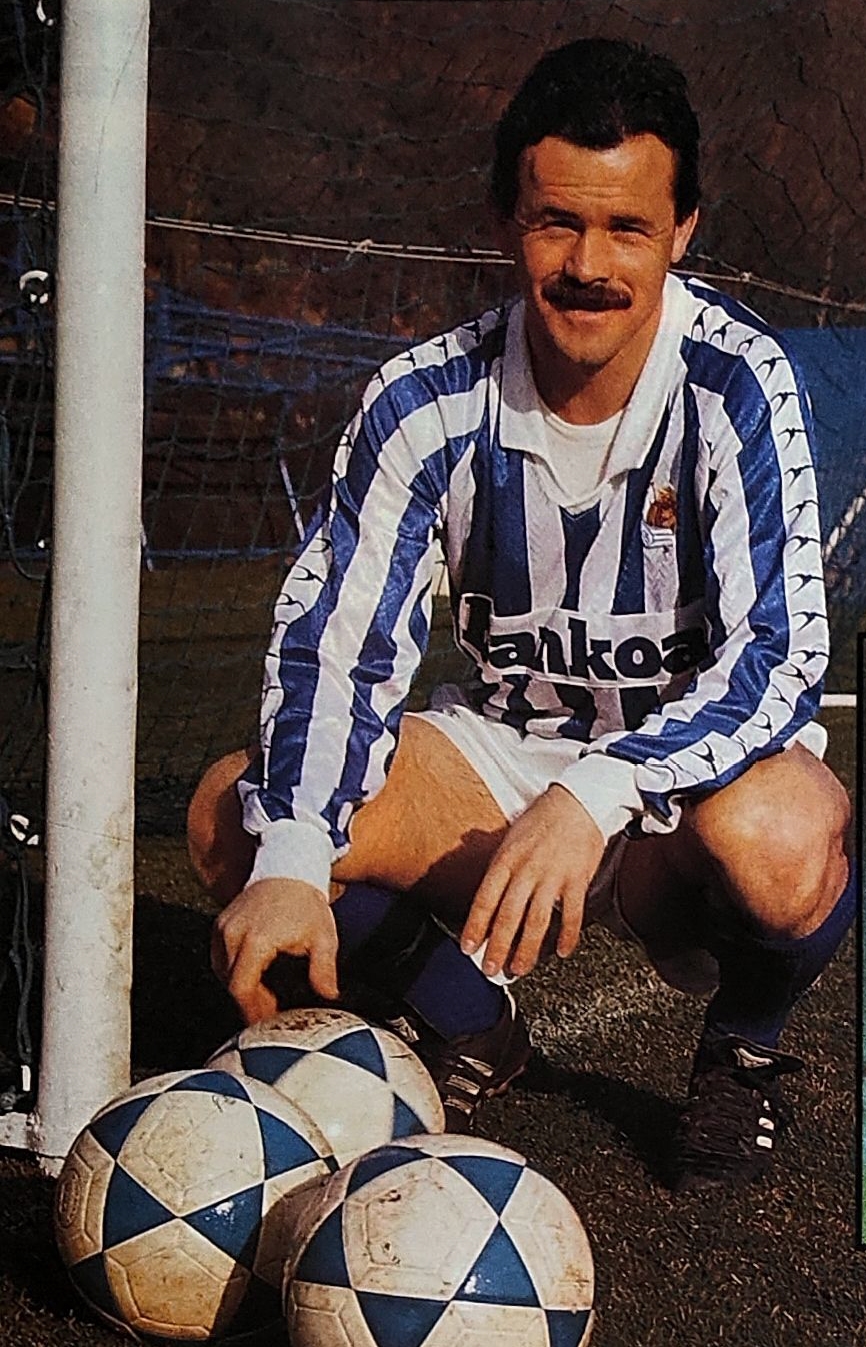
Source: https://x.com/FutbolCarroza
Larrañaga was part of something rare — Real Sociedad actually breaking the Spanish hierarchy. Back-to-back league titles in the early 80s don’t happen without players like him. He brought consistency, discipline, and defensive stability. No headlines, no drama — just performance. He stayed his entire career, which reinforces his place here. Not flashy, but essential.
Key Achievements:
- 500+ appearances
- 2× La Liga
- Copa del Rey
12. Alessandro Costacurta — AC Milan
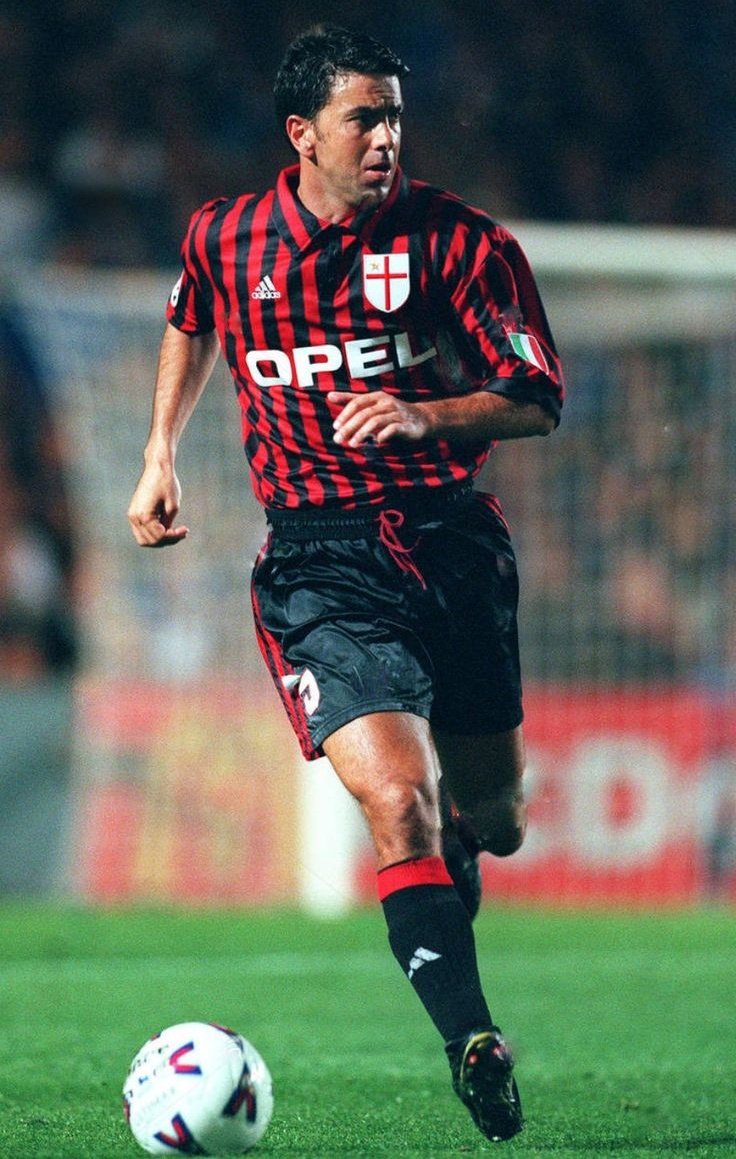
Source: https://x.com/footballmemorys
Costacurta played alongside legends and still held his place. That’s not easy. He relied on positioning and intelligence rather than physicality. Across multiple eras, he adapted and remained relevant. Playing into his late 30s at that level says everything. He wasn’t the loudest name in Milan’s defense, but he was always there. Reliable players like him build dynasties.
Key Achievements:
- 600+ appearances
- 5× UCL
- 7× Serie A
11. Michael Zorc — Borussia Dortmund
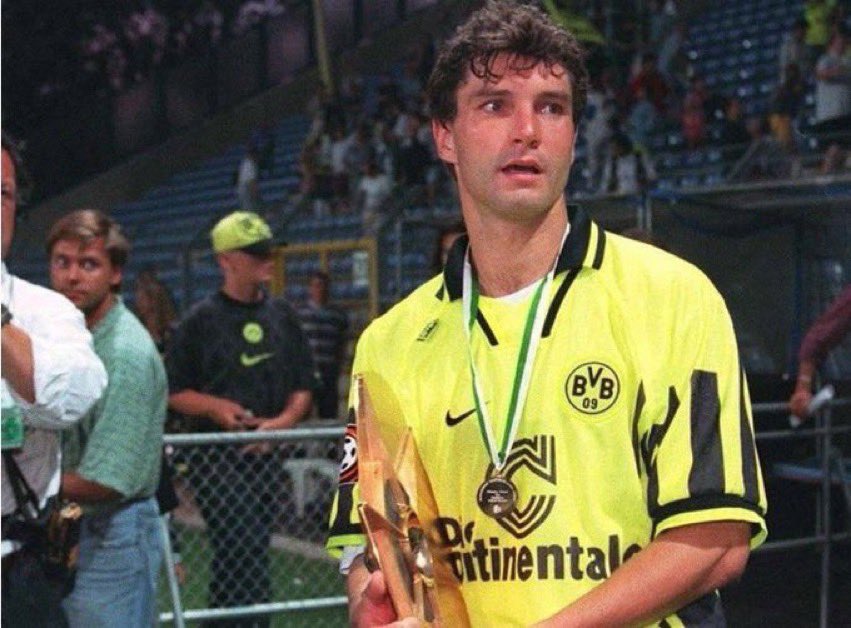
Source: https://x.com/Dortmund_French
Zorc’s influence didn’t stop when he retired — it expanded. As a player, he was balanced, consistent, and dependable in big moments. As a captain, he led through different phases of the club. Then came his role off the pitch, shaping Dortmund’s identity even further. Few players leave that kind of long-term impact. He didn’t just represent the club — he helped build it.
Key Achievements:
- 570+ appearances
- UCL winner
- Bundesliga titles
10. Erik Sikora — RC Lens
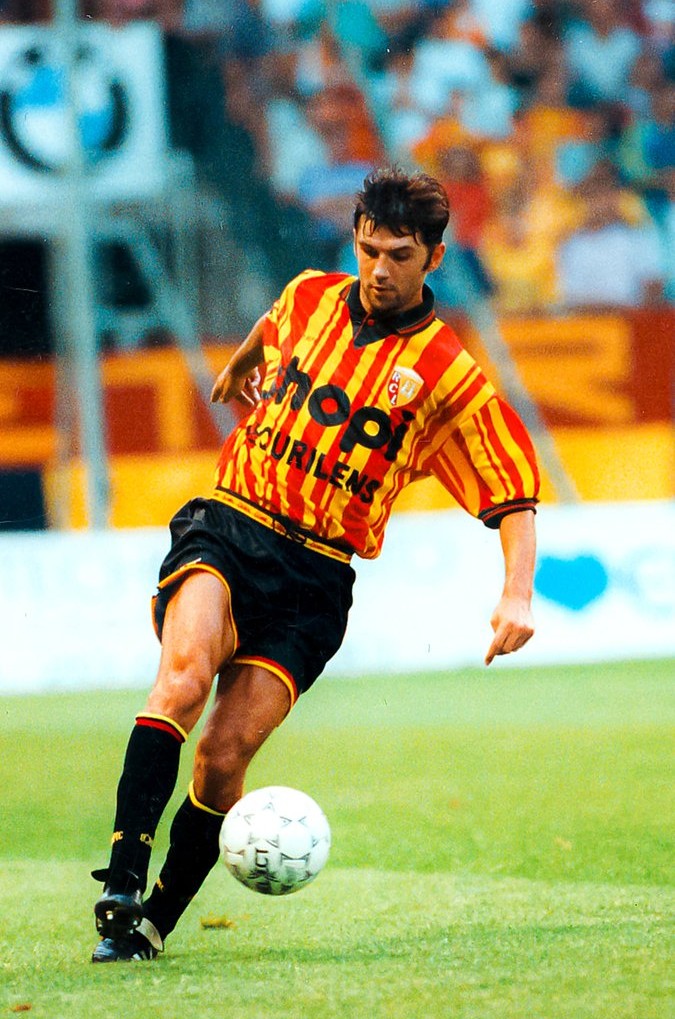
Source: https://x.com/RCLens
Sikora’s career is about identity more than recognition. He spent everything at Lens, adapting to different roles when needed. Defender, midfielder — it didn’t matter. His peak came during Lens’ title-winning season, a moment few expected. He didn’t chase bigger opportunities, even when they might’ve existed. Fans remember that. Loyalty like that sticks.
Key Achievements:
- 500+ appearances
- Ligue 1 champion
- Club captain
9. Tony Adams — Arsenal
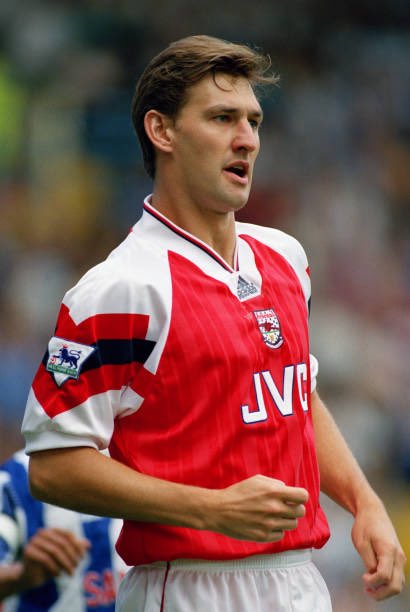
Source: https://x.com/FTBL_Planet
Adams led Arsenal with authority. Not subtle, not soft — just direct and uncompromising. He organized one of the most famous defensive units in English football. Through different eras, he remained the core. His leadership defined the team’s mentality. Even his struggles off the pitch became part of his story. He came back stronger and stayed loyal.
Key Achievements:
- 650+ appearances
- 4× league titles
- 3× FA Cup
- Club captain
8. Koke — Atlético Madrid
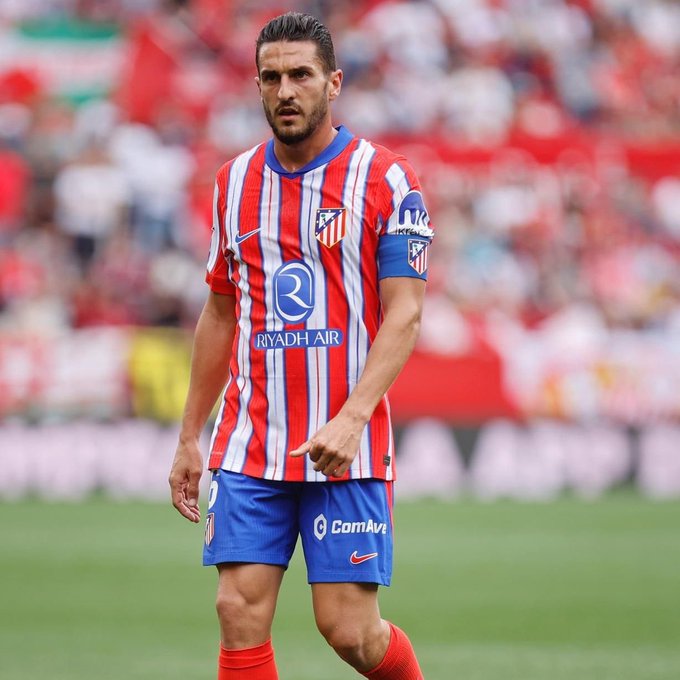
Source: https://x.com/leuropefootball
Koke represents modern loyalty in a very different era. He stayed as Atlético grew into a European force under Simeone. His role shifted over time, but his importance didn’t. Work rate, discipline, and tactical intelligence define his game. He doesn’t dominate headlines, but he controls structure. As captain, he reflects the club’s identity perfectly.
Key Achievements:
- 600+ appearances
- 2× La Liga
- Europa League winner
- Club captain
7. Manolo Sanchís — Real Madrid
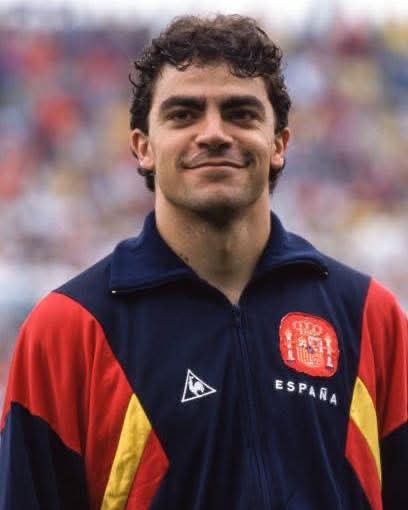
Source: https://x.com/ChampionsRM16
Spending an entire career at Real Madrid sounds glamorous, but it’s relentless pressure. Sanchís handled it for years without losing consistency. He wasn’t flashy, but he was dependable in big moments. Through changing squads and expectations, he stayed relevant. That alone is impressive. Quiet leadership defined his role.
Key Achievements:
- 700+ appearances
- 8× La Liga
- 2× UCL
6. Paul Scholes — Manchester United
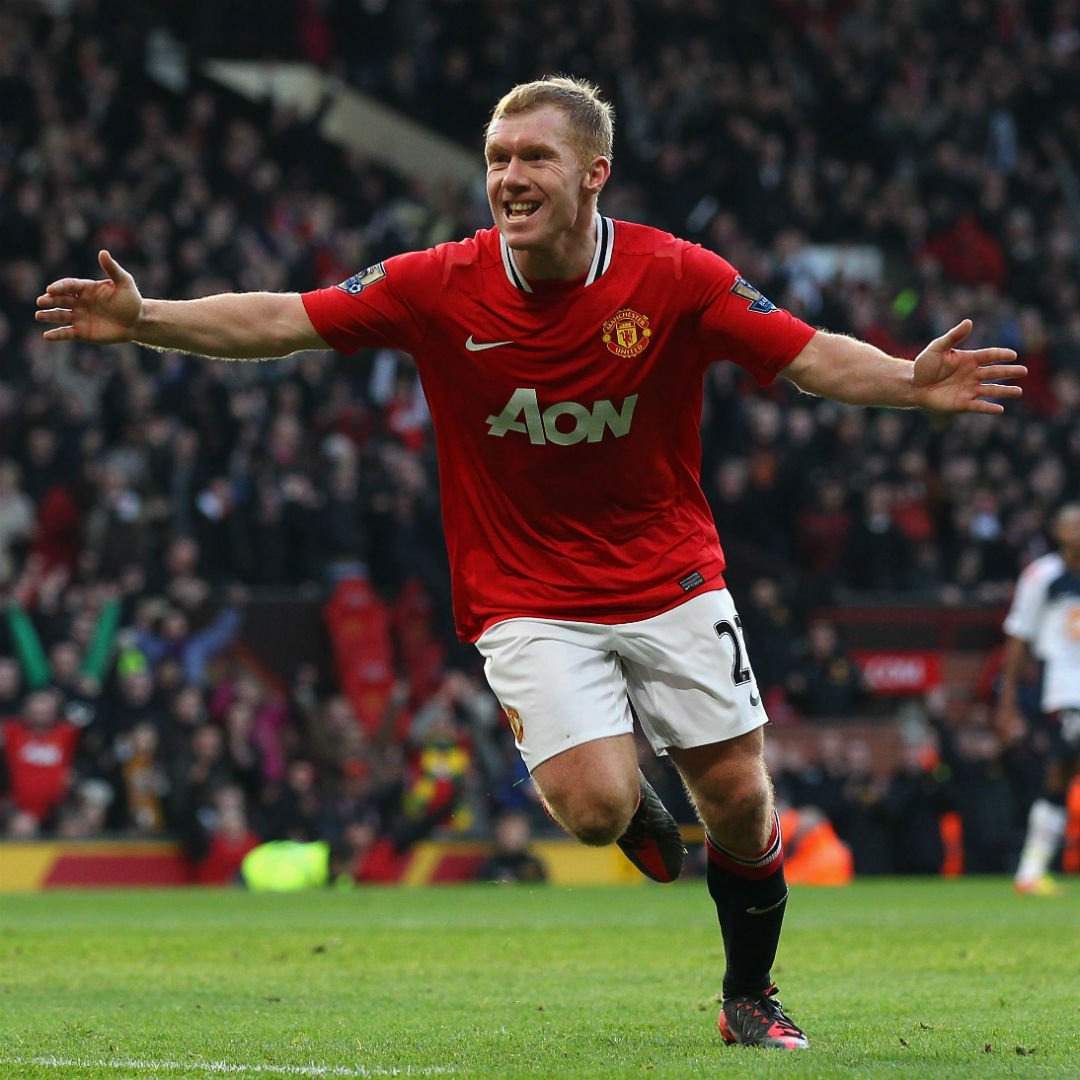
Source: https://x.com/Footballtweet
Scholes played with a level of control few midfielders ever reach. His passing range dictated games without needing physical dominance. He wasn’t perfect, tackling wasn’t his strength, but it didn’t matter. Teammates relied on him completely. Across multiple title-winning teams, he remained essential. Even his comeback showed how important he was.
Key Achievements:
- 700+ appearances
- 11× Premier League
- 2× UCL
5. Jamie Carragher — Liverpool
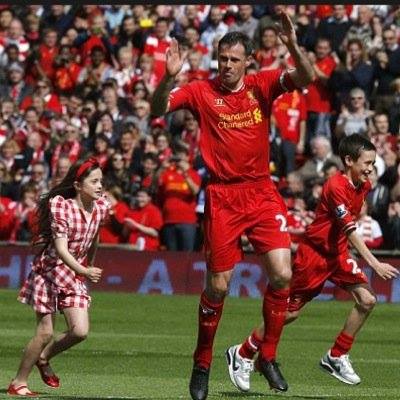
Source: https://www.facebook.com/23Carra
Carragher built his career on effort and intelligence rather than flair. He read the game well and committed fully in every situation. Istanbul 2005 is the defining moment — he held that defense together when everything broke. He never chased transfers, never looked elsewhere. Liverpool was enough. That kind of loyalty defines him.
Key Achievements:
- 700+ appearances
- UCL winner
- FA Cups
- Defensive leader
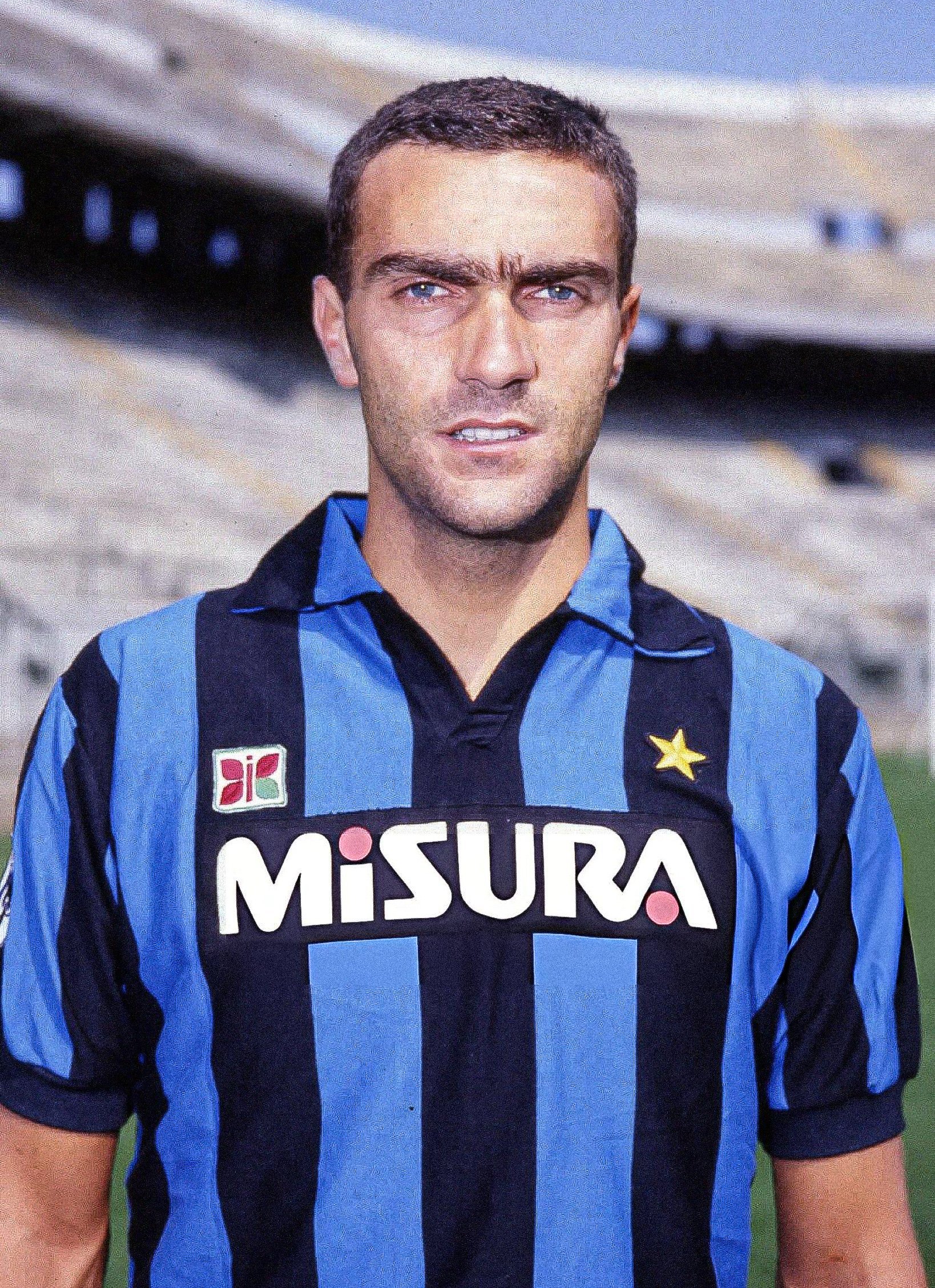
4. Giuseppe Bergomi — Inter Milan
Source: https://x.com/SuperbFootyPics
Bergomi debuted young and never faded. That’s rare at this level. He adapted across positions in defense and stayed relevant through changing eras. Inter went through instability, but he didn’t. His consistency became a foundation. Add a World Cup win at 18, and his career feels even more complete.
Key Achievements:
- 750+ appearances
- Serie A winner
- 3× UEFA Cup
- World Cup winner
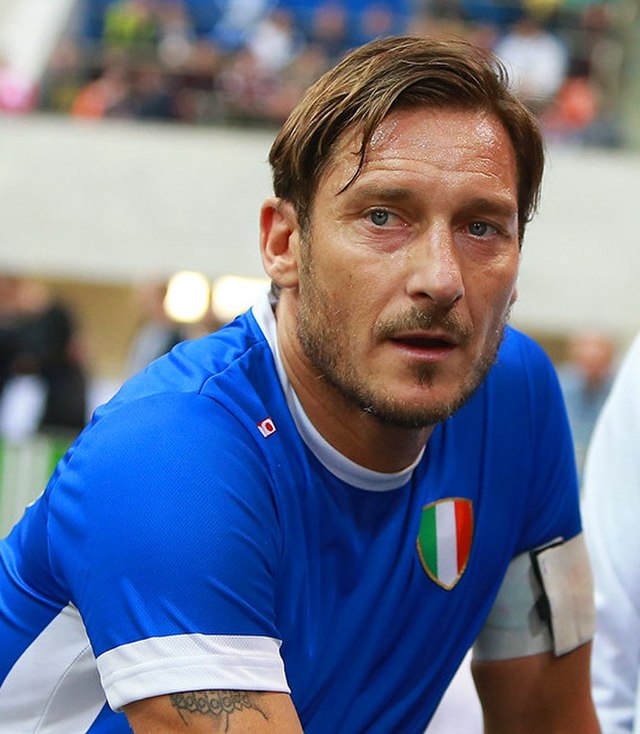
3. Francesco Totti — AS Roma
Source: https://x.com/GlobalStatsX
Totti chose loyalty over guaranteed success. He could’ve won more elsewhere, everyone knows that. Instead, he stayed and became Roma itself. Creativity, vision, goals — everything went through him. He adapted his role over time without losing influence. Fans didn’t just admire him — they identified with him.
Key Achievements:
- 780+ appearances
- Serie A winner
- World Cup winner
- 300+ goals
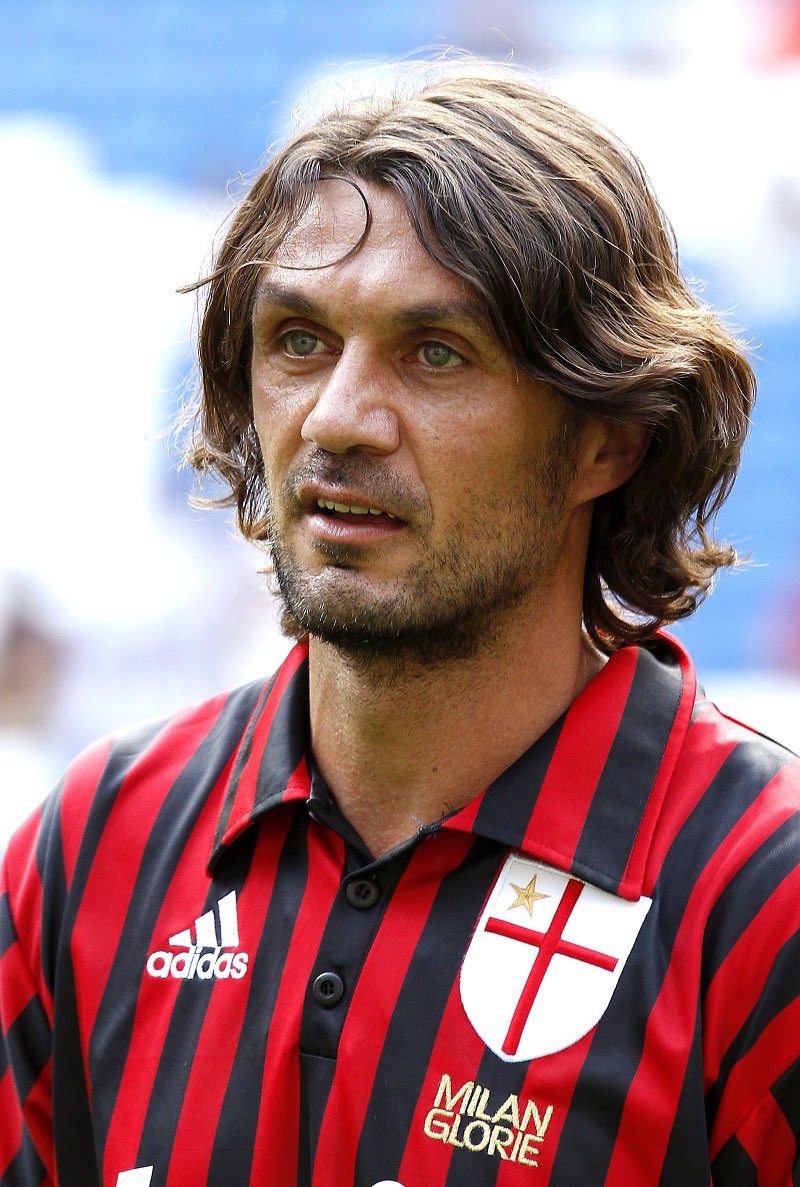
2. Paolo Maldini — AC Milan
Source: https://x.com/Footballtweet
Maldini defines consistency at the highest level. Across decades, he remained one of the best defenders in the world. Position didn’t matter — he mastered both full-back and centre-back roles. His reading of the game was near perfect. Leadership came naturally, without noise. Milan’s identity is tied to him.
Key Achievements:
- 900+ appearances
- 5× UCL
- 7× Serie A
- Club captain
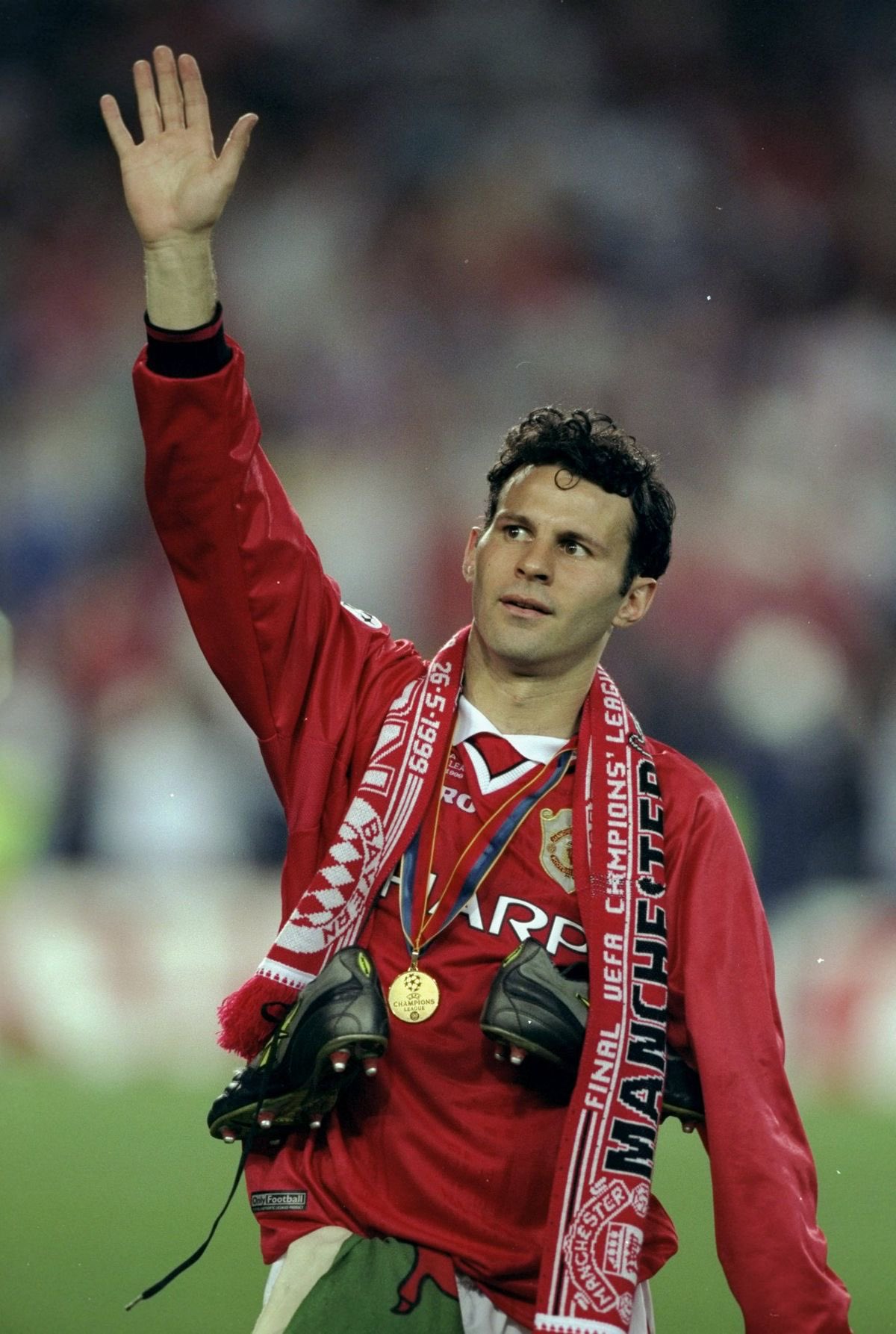
1. Ryan Giggs — Manchester United
Source: https://x.com/UtdMaI
Giggs lasted longer than he should have and stayed effective the entire time. Starting as a winger, ending as a playmaker, adapting constantly. Few players evolve like that without leaving. He was part of multiple title-winning eras at United. The consistency is almost hard to believe. Longevity at that level puts him at number one.
Key Achievements:
- 950+ appearances
- 13× Premier League
- 2× UCL
- Most decorated players ever
Honourable Mentions
Some names just miss out on the top 20 one-club players in the world, which feels harsh because honestly, they could easily fit into the main list depending on what you value more — trophies, peak level, or pure loyalty.
- Carles Puyol was Barcelona’s emotional core during one of the greatest eras in football. Not the most technical defender, but leadership-wise? Elite.
- Gary Neville gave Manchester United consistency at right-back for years. Never spectacular, always reliable and that matters more than people admit.
- Rogério Ceni is a different case entirely. A goalkeeper who scored over 100 goals that alone puts him in a unique category. His loyalty to São Paulo is almost unmatched.
- Steven Gerrard carried Liverpool through multiple eras, often being the difference in big moments. Leadership, goals, intensity — he had everything. In many rankings, he comfortably makes the top tier.
- Sepp Maier, Bayern’s legendary goalkeeper, helped define an era of dominance in German football.
Sometimes rankings say more about margins than quality. This is one of those times.
Legacy and Future of Best 20 One-Club Players of All Time
The idea of one-club players feels fragile now.
Football has changed. Agents, transfer fees, global branding — it all pulls players in different directions. Loyalty still exists, sure, but it’s harder to maintain when careers are shorter and decisions come faster.
That’s what makes this list stand out. These players didn’t just stay — they built identities that clubs still rely on today. Maldini at Milan, Totti in Rome, Giggs at United their influence didn’t end when they retired.
Looking forward, players like Koke or Thomas Müller might be among the last of this kind. Not because loyalty disappeared, but because the system doesn’t reward it the same way anymore.
Which makes this whole topic feel a bit nostalgic. And maybe that’s the point.
Frequently Asked Questions
What is a one-club player?
A player who spent their entire professional career at a single club without transferring elsewhere.
Who is the greatest one-club player of all time?
Many consider Paolo Maldini or Ryan Giggs the greatest, depending on criteria like trophies, longevity, and influence.
Are one-club players rare in modern football?
Yes, significantly rarer due to frequent transfers, financial incentives, and global competition.
Why is loyalty valued in football rankings?
It reflects commitment, identity, and long-term impact on a club beyond just performance.
Did any one-club players reject big transfers?
Yes. Francesco Totti and Julen Guerrero famously turned down major offers to stay loyal.
Can current players still become one-club legends?
It’s possible, but increasingly difficult given the modern football environment.
Which leagues produce the most one-club players?
Historically, Serie A, La Liga, and the Bundesliga have produced many long-term, one-club legends.