 Alex MacQuoid
Red Star Belgrade out Lincoln Red Imps 1-0 in Gibraltar in the first leg of the Champions League second qualifying round. Bruno Duarte’s decisive strike in the 30th minute, fed by Mirko Ivanić, put the Serbian side ahead — but not without a dose of controversy.
During the live broadcast, VAR footage reviewing a possible offside raised more than a few eyebrows. A blue line—typically used to mark the last defender—was visibly skewed, failing to run parallel to the pitch. That visual inconsistency instantly ignited debates about the reliability of the decision-making process.
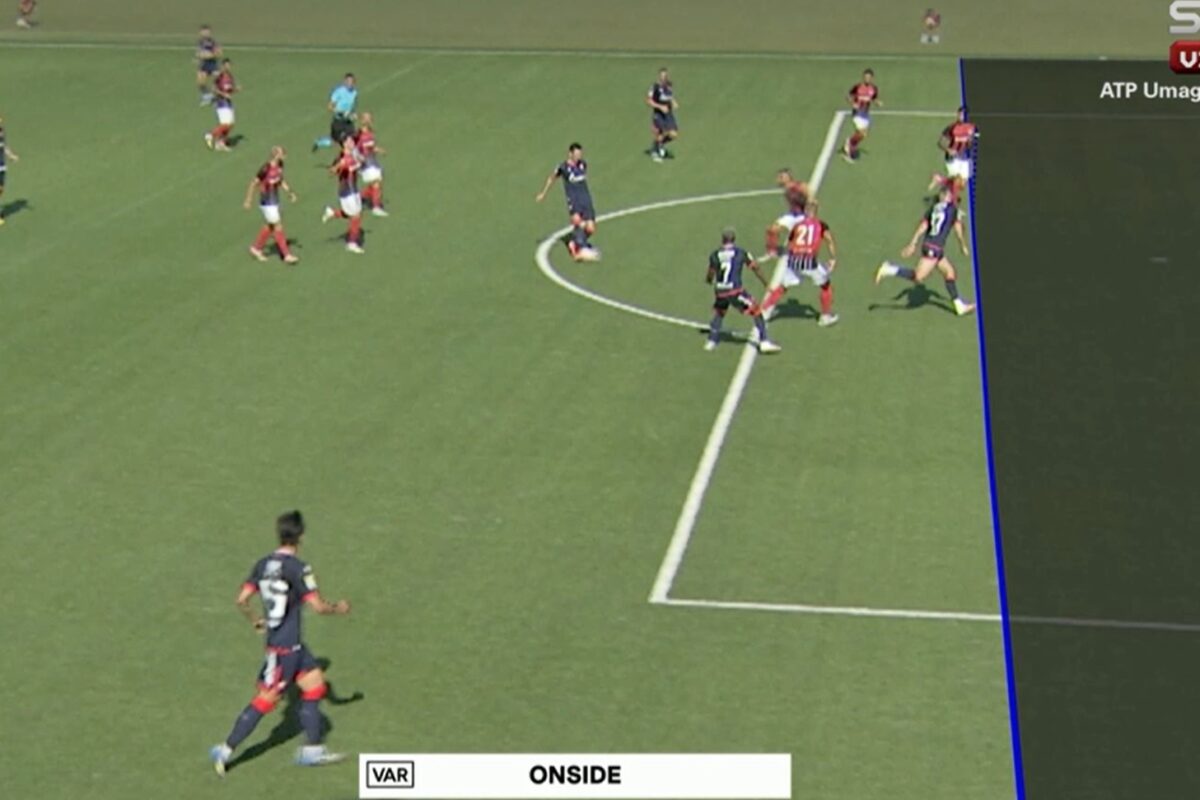
Screenshot from the broadcast
Technically, the goal may have been onside. But was the technology used in Gibraltar truly up to UEFA’s rigorous standards? Can we be confident the camera angle was calibrated correctly? Or did officials rely on a single, misaligned frame from a lower-tier production setup?
This raises a broader concern: when high-stakes qualifiers are being played, do all clubs receive the same standard of technological oversight? Let’s not forget, VAR’s very purpose is to guarantee fairness. Yet, if its precision is compromised by sub-par infrastructure, what does that say about competitive integrity?


So far, no formal protests have emerged. But that lingering image of a tilted blue line continues to cast a shadow over what should have been a straightforward victory. And for bettors, analysts, and fans alike — it’s a stark reminder that even one pixel can tilt the odds.