
The 2026 FIFA World Cup arrives with a twist that changes everything: 48 teams, more group stage matches, and an expanded knockout bracket that gives underdogs more runway than ever before. In a tournament where chaos is already baked in, the dark horses aren’t just interesting subplots — they could be the main story.
But what actually makes a dark horse dangerous? It’s rarely about raw talent alone. The teams that shock the world tend to share a few traits: tactical coherence that frustrates elite opponents, a generation of players peaking at exactly the right moment, and the psychological freedom that comes from having nothing to lose. In 2026, several teams fit this profile almost perfectly.

Get 200% Bonus up to $500 – FIFA World Cup 2026 on TipsGG × Stake
The FIFA World Cup 2026 is almost here. Follow every match with expert betting tips, live odds, and tournament news – all in one place. Bet smarter with Stake’s 200% Welcome Bonus up to $500.
Japan: Beyond the Dark Horse Label
Source: https://x.com/BigMarcel24
At what point does a “dark horse” become a genuine contender? Japan may have already crossed that line.
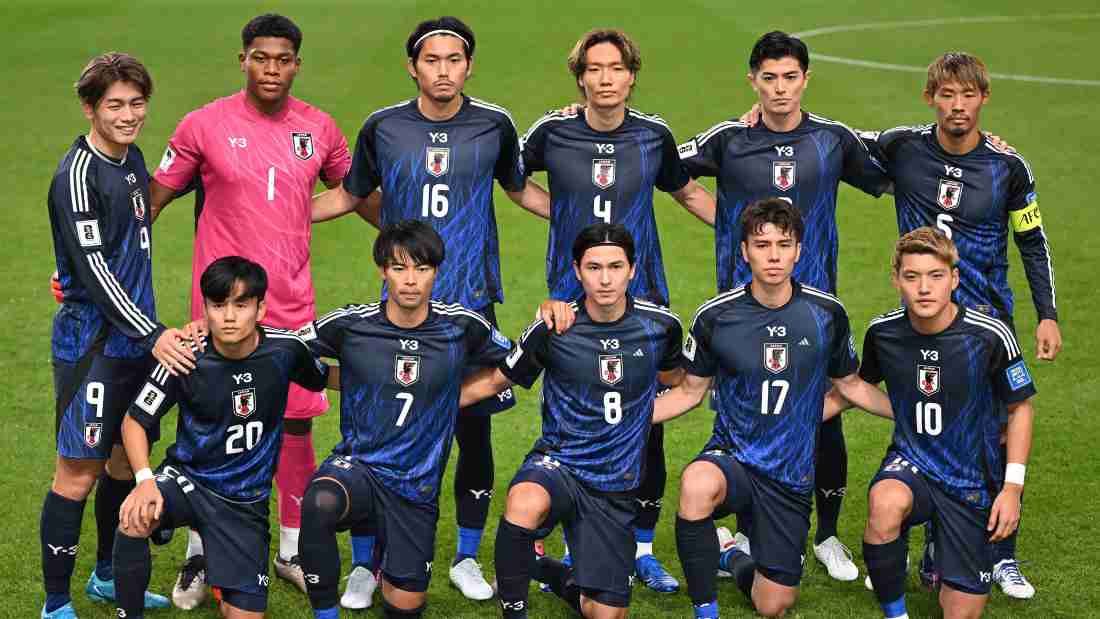
In 2022, they didn’t just compete — they dismantled two former World Cup champions. Germany fell in the group stage. So did Spain. Japan’s reward was a brutal penalty shootout exit against Croatia, but the performance level was unmistakable. Since then, they’ve only grown. A March friendly victory over England added further proof that this squad belongs in serious conversations.
What separates Japan from most teams in their tier is their identity. This isn’t a side built around one player or one system of hope. Under Hajime Moriyasu — who will have his assistant, the legendary Shunsuke Nakamura, beside him in North America — Japan press with ferocity, transition at speed, and function with a club-like cohesion that takes most international teams years to develop. Kaoru Mitoma provides the game-changing spark in wide areas. Takefusa Kubo and Ayase Ueda, one of Europe’s sharpest strikers this season, offer goal threat from multiple angles.
Japan were also the first non-host nation to qualify for 2026, a quiet statement of intent. Their draw against the Netherlands and a playoff winner gives them a realistic path to the knockout rounds — and once they’re there, they fear no one.
Norway: The Striker and the System
Source: https://x.com/eurofootcom
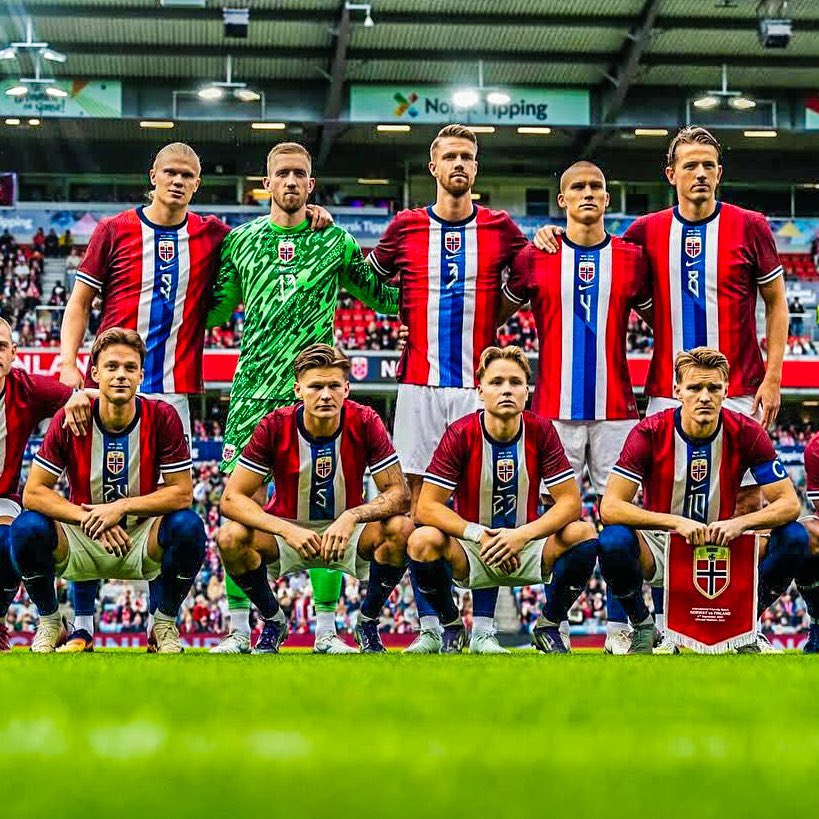
Norway’s absence from the World Cup since 1998 made their return a matter of when, not if, once Erling Haaland emerged as one of the planet’s most frightening forwards. In qualification, that inevitability became reality — Norway won every single match, including a 4–1 demolition of Italy, and Haaland personally scored 16 goals.
The easy narrative is that Norway is simply Haaland plus ten passengers. The reality is more interesting. Martin Ødegaard brings elite creative intelligence to midfield. Antonio Nusa provides explosive width. Alexander Sørloth gives them a physical, mobile alternative up front. Ståle Solbakken has built a team that defends with discipline and transitions quickly — a profile that suits knockout football extremely well.
Their challenge is experience. Norway hasn’t navigated a World Cup in nearly three decades, and their group — featuring France and Senegal — is widely considered among the toughest draws of the tournament. But sometimes inexperience is an asset. Teams with nothing to lose and everything to prove can be the most dangerous of all. If Norway survive that group, few sides will want to face them.
Morocco: The Dark Horse Who Proved It Already
Source: https://x.com/sportblitsX
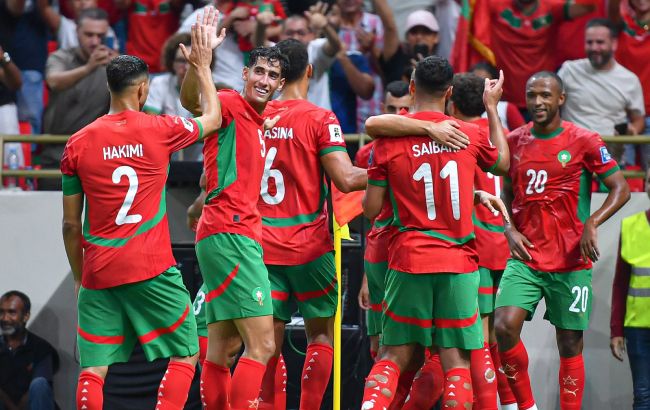
Calling Morocco a dark horse still doesn’t quite capture where they stand. In 2022, they defeated Spain and Portugal on the way to a historic semifinal appearance — the first African nation to reach that stage. They were organized, relentless, and tactically immovable. The world noticed.
What’s changed since then is depth. Morocco’s squad has continued to mature, adding European experience across multiple positions. Achraf Hakimi remains one of the most dangerous attacking fullbacks in world football. Brahim Díaz brings creativity in tight spaces. Sofyan Amrabat anchors the midfield with physicality. And coach Walid Regragui hasn’t deviated from the philosophy that got them there: compact defending, quick transitions, and complete collective buy-in.
The psychological shift may be their greatest weapon. Morocco no longer arrive at tournaments fearing the bigger nations. They’ve already beaten them. That confidence, earned through experience rather than hype, is extraordinarily difficult to manufacture — and nearly impossible to defend against when it’s real.
Colombia: Attacking Chaos With a Purpose
Source: https://x.com/ThreadsFutbol
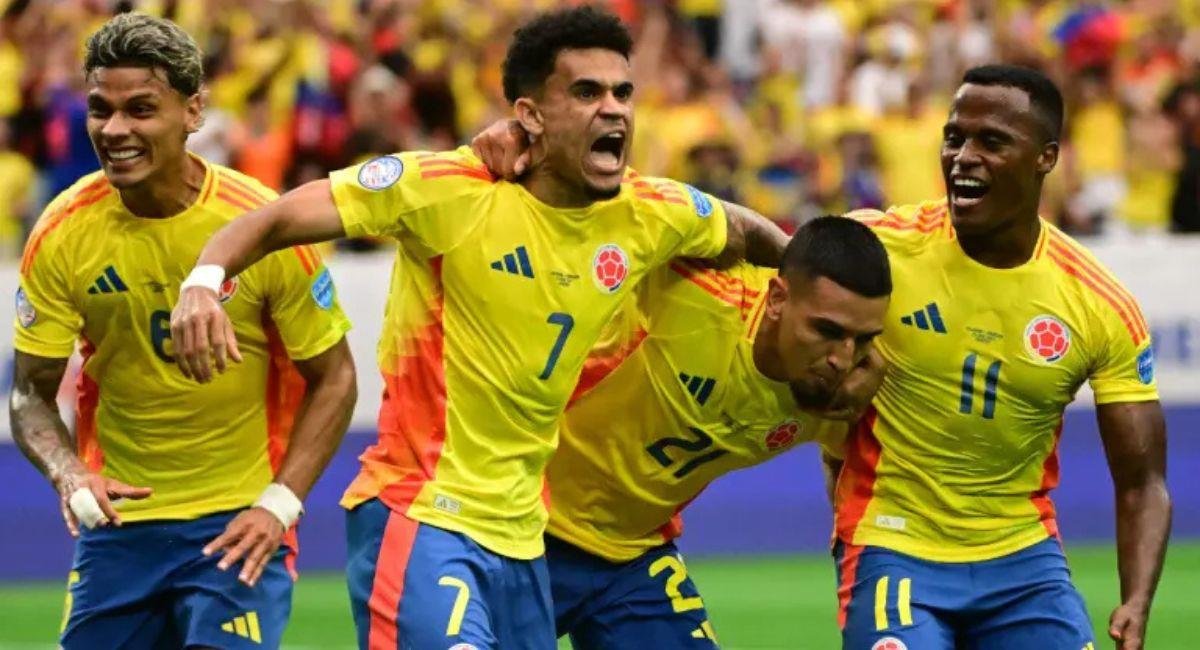
Colombia enters 2026 ranked 13th in the world and carrying the kind of momentum that tournament football rewards. They finished third in CONMEBOL qualifying, behind only Argentina and Uruguay, and their attacking cast is genuinely elite.
Luis Díaz, now thriving at Bayern Munich, is one of the most dynamic wide forwards in European football — unpredictable, physical, and capable of deciding matches single-handedly. Jhon Duran at Aston Villa has established himself as a match-winner off the bench. Richard Ríos and Jefferson Lerma give them the midfield engine to sustain pressure. And James Rodríguez, still capable of the kind of brilliance that defined Colombia’s magical 2014 campaign, adds craft and experience to the final third.
The historical parallel is striking. The last time Colombia played at a World Cup hosted on North American soil was USA ’94, a tournament that began with enormous promise and ended in tragedy. More than thirty years on, there’s a sense of unfinished business. If their defensive shape holds — historically the concern — Colombia have the firepower to hurt anyone.
Turkey: Unpredictable by Design
Source: https://x.com/eurofootcom
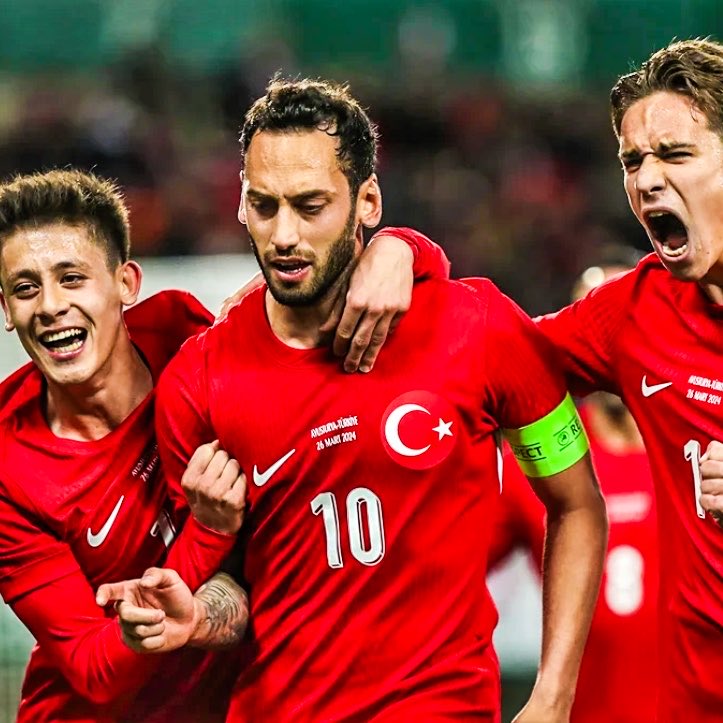
Turkey’s relationship with major tournaments is defined by extremes: occasional brilliance, occasional collapse, and a habit of arriving as dark horse picks only to remind everyone why that label comes with risk. Their 2002 semifinal run remains one of the World Cup’s great surprise packages. Their 2021 European Championship was an embarrassment. The 2024 Euros showed improvement, with a quarterfinal exit to the Netherlands.
But the 2026 squad feels different. Arda Güler at Real Madrid is the kind of technically gifted playmaker who can unlock any defense on his best days. Kenan Yıldız at Juventus provides a finishing threat that younger Turkish sides have lacked. Hakan Çalhanoğlu, Orkun Kökçü, and others give them genuine midfield quality. Under Vincenzo Montella, there’s more structural discipline than Turkey fans have sometimes seen.
The word “if” looms large over everything Turkey does. If they find rhythm early. If their defense holds. If the young stars show up under pressure. Those are big ifs — but if they align, Turkey have the ingredients to cause serious damage.
The Format Changes Everything
One factor that ties all of these teams together is the tournament structure itself. With 48 nations and an expanded knockout bracket, the margin for error is wider and the opportunity for momentum to build is greater. A slow start no longer means elimination. A single great performance can trigger a run.
History is full of teams that peaked at exactly the right moment: ’94 Bulgaria, 2002 Turkey, 2022 Morocco. The 2026 World Cup, with its additional rounds and three co-host nations spreading the tournament across North America, may produce more of those stories than any edition before it.
The favorites will arrive with superior squads and deeper resources. But Japan, Norway, Morocco, Colombia, and Turkey arrive with something the favorites can’t manufacture: the right combination of timing, belief, and tactical identity. In tournament football, that has always been enough to shock the world.