carrico
Valorant is one of the biggest FPS games in the world. Since its release, the game has been a breath of fresh air for FPS players all around the world, and its popularity continues to increase at an incredible speed.
At the beginning of its competitive scene, Valorant was very similar to CS:GO, with most tournaments being organized by different tournament organizers, such as ESL, LVP, and others, and having an open system.
It was easy to organize a Valorant tournament at that time, as long as you did fulfill a small number of rules you were good to go.
This was done with the purpose of letting the competitive community grow naturally. Attract players and organizations into the scene, and promote competition everywhere around the globe, by making it easy to create and enter a tournament.
It was a good move by Riot since many organizations entered the competitive scene right away and gave the smaller organizations a chance to prove themselves and compete in a somewhat leveled playing field against the likes of G2 Esports, TSM, and other top-tier organizations.
After the scene was somewhat established Riot Games introduced their regional tournaments, called VCT, and international tournaments, Masters and Champions.
In order to qualify for the international tournament teams needed to first qualify for the VCT, the biggest and only official Riot regional tournament.
The system was still an open one since teams had to play an open qualifier where everyone could play, and the top eight teams would then qualify for the VCT.
However, there was a problem, for the teams who stayed out of the VCT, and there were many of them, they basically didn’t have any other relevant tournament to play in, and in most cases, some organizations would have their season-end in May, if they weren’t able to qualify for Stage 1 or Stage 2 of the VCT.
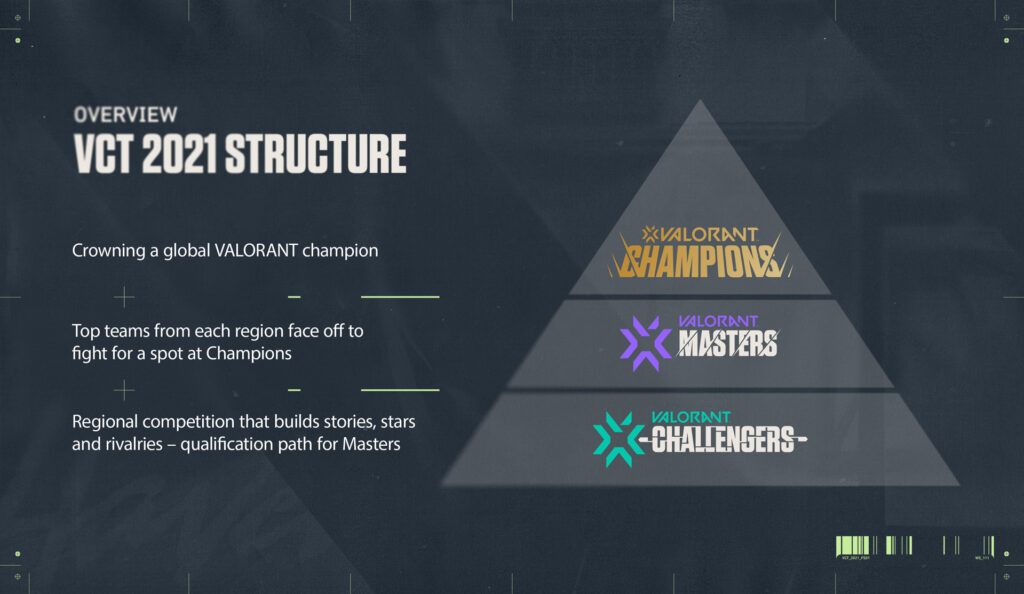
Then depending on your region and its slots for Masters, the champions of the smallest regions would attend Masters, with the major regions taking at least two teams each, and one of them taking 3.
Champions is the Worlds of Valorant, it’s the last and biggest international tournament of the year, and crows the best team in the world.
So you can already see that Riot had a mix of an open system and a franchise one. Which in my opinion it’s the perfect system for Valorant. That way smaller organizations can still reach the top and you give every player the same chance of achieving their dreams.
It’s here where the franchising “problems” if you want to call them that start.
Franchising is a restricted League
In franchising, a number of teams will enter a partnership with Riot Games. Despite Valorant franchising not having a buy-in like League of Legends did, it still makes the league a restricted one.
You have a list of criteria you have to fulfill, and it’s more related to brand value, and the organization structure, basically its more about the money side and developing a sustainable product that can be sold and give good profit margins, similar to the NBA, than about who are the best teams in the region and tournament success.
And hey I’m all about a sustainable Esports ecosystem, where players and staff get paid better, have a better supports system, and you don’t have problems with organizations, not paying their players which in 2022, unfortunately, it’s still very common, and overall the players are much more protected.
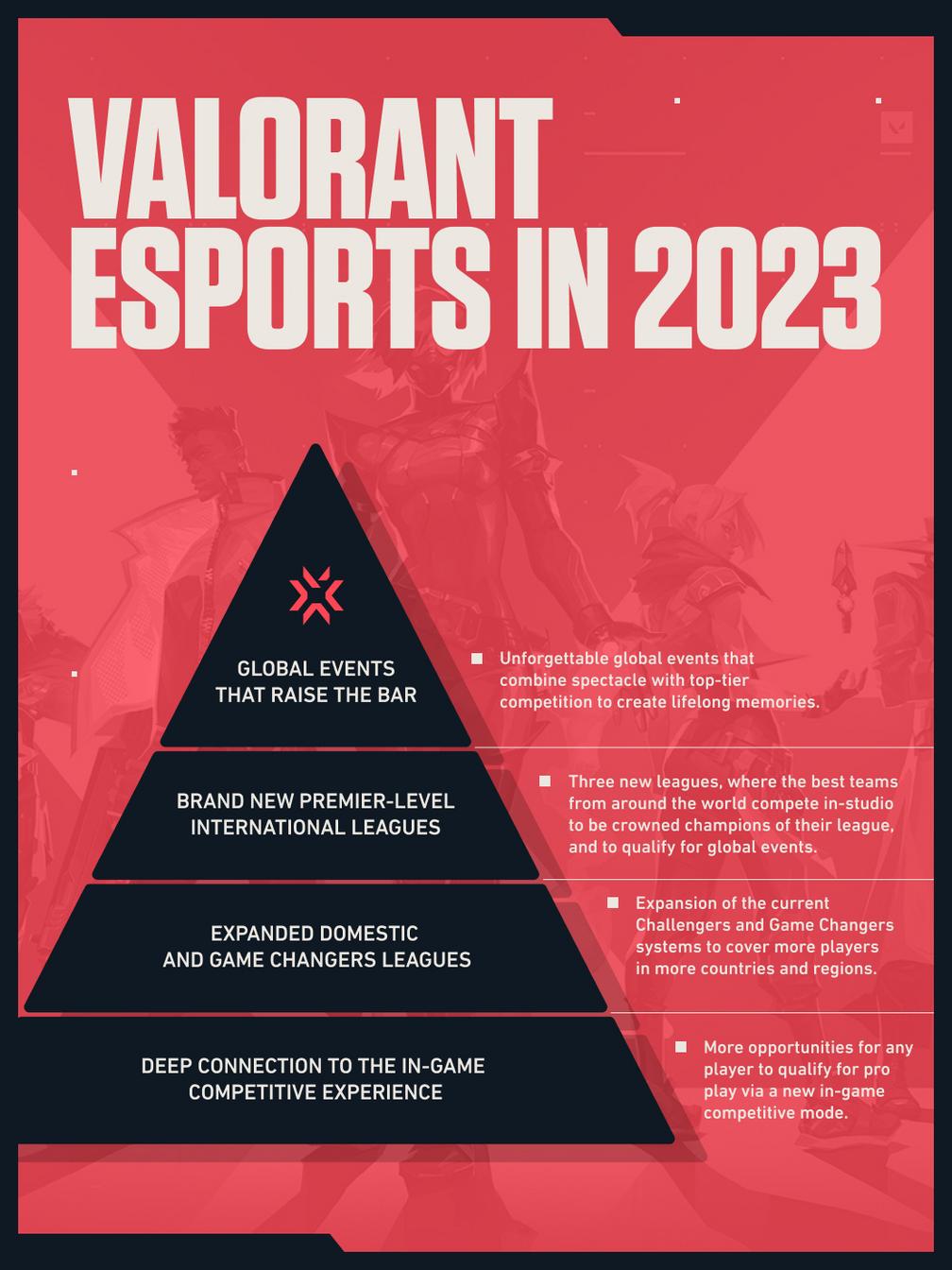
However, there is also a downside. A lot of good teams that entered Valorant from day one and found great success will be left out of these three international leagues since it’s expected that 10 will be the number of teams that each league will have, and you need a representative from at least each region.
For example, North America will have an international league with Latin America, and Brazil which is a unique region, with teams from the three regions having to be present.
Obviously, we will see more North American teams than Brazilian, or Latin American teams, and some teams such as Vivo Keyd who have attended three international events, and have been one of the best teams in Brazil in the past two years will probably stay out of the franchise league.
The underdog history of teams that were t2 or t3, qualified for the VCT, and surprised everyone by having a great run in the tournament or even winning it, just like The Guard did, will cease to exist.
This will lead to many organizations pulling out of Valorant entirely.
In Europe, you still have the regional leagues, that despite not being as big as the League of Legends VRLs, are still something in which the organizations can invest, and a place where players can show their talent and maybe be picked up by a team in the Franchising league.
But in North America, you don’t have anything, and this is the case for the majority of regions in the world. Their tier 2 scene is just weak or in some cases doesn’t exist at all.
This means most teams will decide to just leave Valorant entirely since they can’t reach the tier one level anymore, or at least for the foreseeable future, and have no other tournaments that would make it worth it for them to have a team.
It doesn’t make sense to have a professional team competing in tier two tournaments with 2.500$ prize pool, for organizations such as Luminosity Gaming, Ghost Gaming, Evil Geniuses, and many more that are rumored to not enter the franchise system.
Another thing that many fans are unhappy with is the fact that organizations such as Ghost Gaming or Evil Geniuses who had a great Stage 2 will most likely not enter the Riot Games partnership program, while T1 who has still not found almost any success at all in Valorant is very likely to enter the franchising league.

Overall, the most worrying thing about this franchising system is that many teams will leave the competitive scene and that’s not something anyone wants.
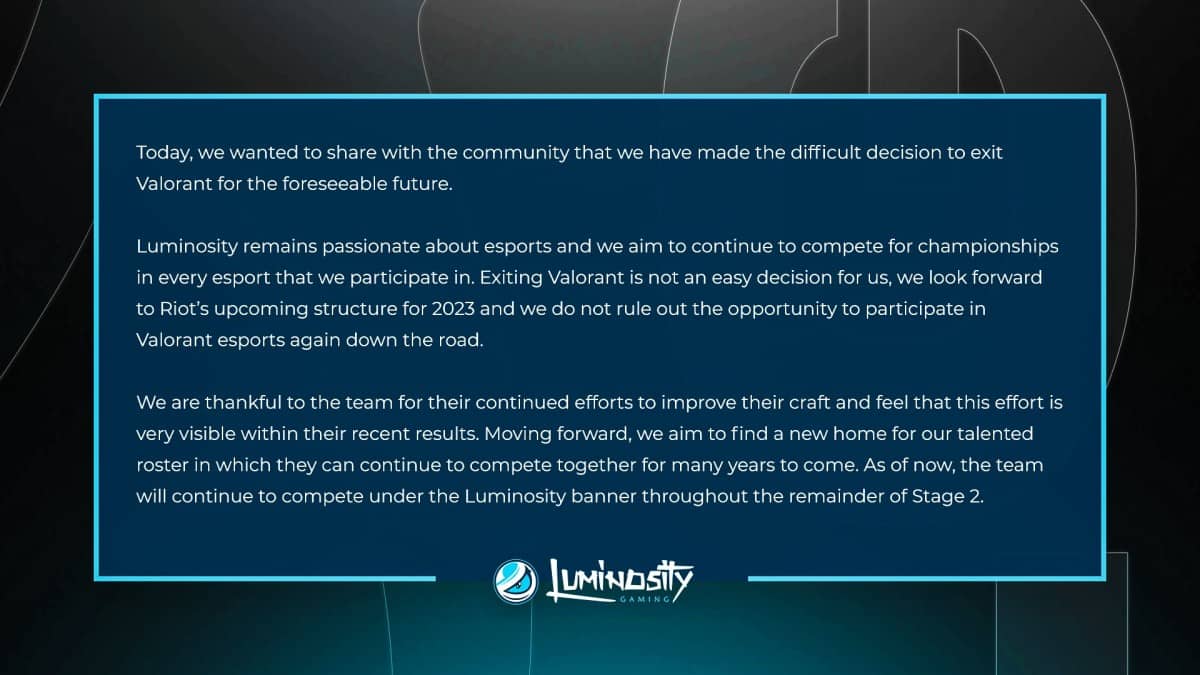
The tier 2 ecosystem is still not good enough, at least outside of Europe, to justify the investment of big organizations, and I’m worried we will see many teams do the same thing Luminosity did.
In my opinion, Franchising is not the way to go. Yes, it has its pros and cons as everything does, but a “semi” open system, similar to what we had this year was the perfect balance between what Riot Games wants, and what the community wants and needs.
Only time will tell what side effects Franchising will have for Valorant, but hopefully, the scene will continue to grow and it won’t discourage many talented players from pursuing their dream of going pro.