
Since its launch in 2008, the Indian Premier League has become cricket’s biggest franchise tournament. With that scale has come intense scrutiny — especially around betting, spot-fixing, and corruption risks. The IPL has had serious corruption scandals, and they have left a lasting mark on the league’s reputation.
However, the public record does not support the claim that any entire IPL team or playing XI has been proven to have systematically fixed matches as an organisation. The major documented cases involve individual players, team officials, owners, or bookmakers — not full squads acting together.
The two franchises most strongly linked to official corruption action are Rajasthan Royals and Chennai Super Kings, both of which served two-year IPL suspensions in 2016 and 2017. Their cases were meaningfully different: Rajasthan’s centred on player-level spot-fixing allegations and owner-related betting issues, while Chennai’s centred on betting by a senior team official — not player fixing. Every other franchise in IPL history sits somewhere between unverified allegations and no connection whatsoever.
Other rankings by tips.gg:
What Counts as Fixing?
In cricket, corruption usually falls into three broad categories:
| Type | Meaning | IPL Context |
| Match Fixing | Manipulating the result of an entire match | No IPL franchise has been publicly proven to have fixed a match as an organisation |
| Spot Fixing | Manipulating a specific event — a no-ball or a set number of runs in an over | Rajasthan Royals player case in 2013 |
| Insider Betting | Betting using privileged team information, or passing inside information to bookmakers | Chennai Super Kings official Gurunath Meiyappan case (2013) |
The distinction matters. A franchise can be punished for the conduct of its owners or officials even when its players are not found guilty of fixing. That is precisely what happened in 2013.
1. Rajasthan Royals: The 2013 Spot-Fixing Case
Source: https://x.com/mufaddal_vohra
Status: BCCI disciplinary action; criminal charges later discharged Official Action: Two-year franchise suspension; player bans
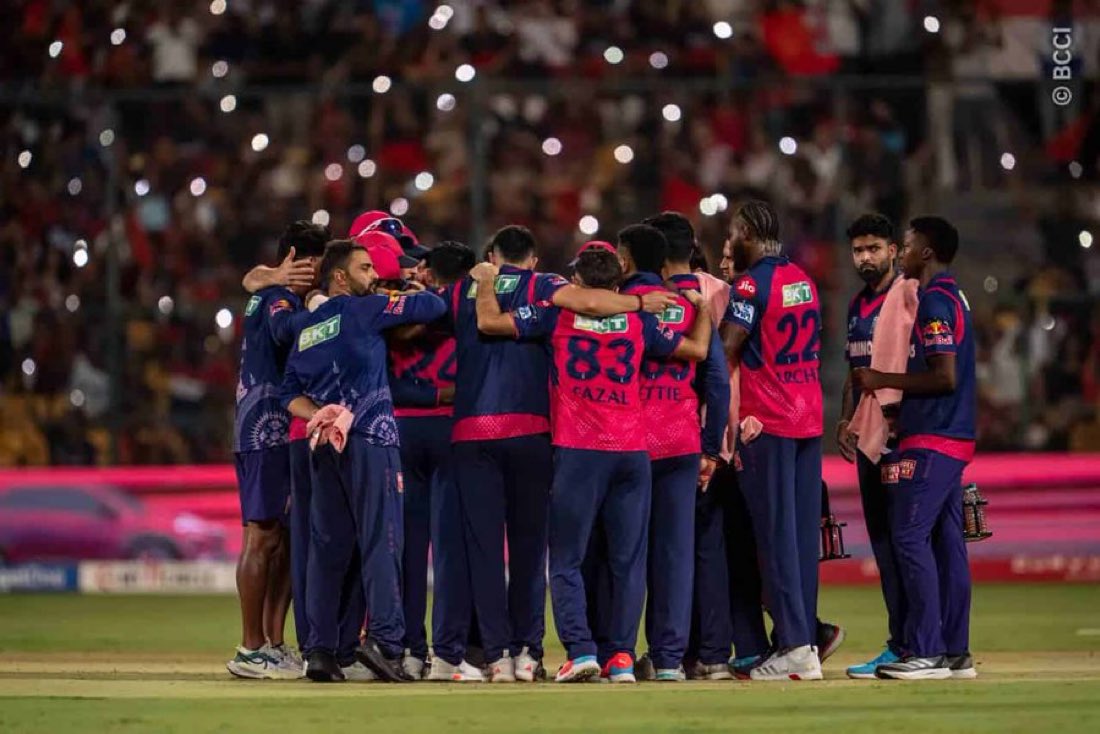
Rajasthan Royals were at the centre of the IPL’s biggest player-level spot-fixing scandal. In May 2013, Delhi Police arrested three Rajasthan Royals players — S. Sreesanth, Ajit Chandila, and Ankeet Chavan — over alleged spot-fixing during IPL 2013. The BCCI imposed disciplinary sanctions on all three.
The criminal case, however, did not result in convictions. In 2015, a Delhi court discharged Sreesanth, Chavan, Chandila and others, finding insufficient evidence for prosecution under MCOCA. That court decision did not automatically overturn the BCCI bans. Sreesanth’s life ban was later set aside by the Supreme Court in 2019, with the BCCI directed to reconsider — and his sanction was subsequently reduced.
Rajasthan Royals were also affected by the Raj Kundra betting case. The Lodha Committee process — triggered by the wider 2013 scandal — led to the franchise being suspended for two IPL seasons. Under IPL rules, a franchise can be punished where its owners or team officials are found guilty of betting-related activity, regardless of player involvement.
Rajasthan Royals had the most serious player-level spot-fixing controversy in IPL history. That said, it remains inaccurate to say the entire team was proven to have collectively fixed matches.
2. Chennai Super Kings: The 2013 Betting Case
Source: https://x.com/CricCrazyJohns
Status: Official finding against team official Official Action: Two-year franchise suspension
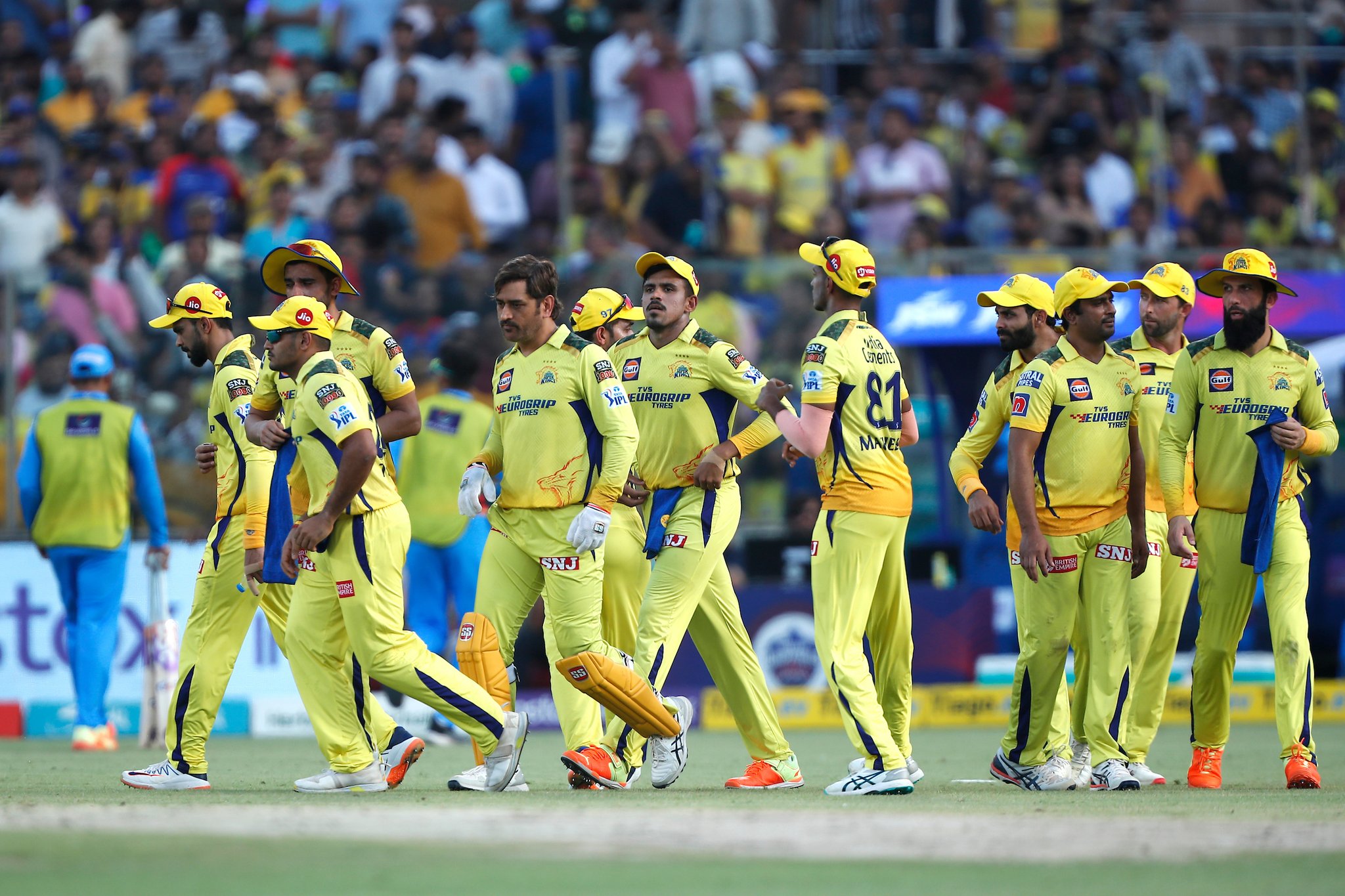
Chennai Super Kings’ scandal was fundamentally different from Rajasthan Royals’ case. No CSK player was charged with fixing. The case centred entirely on Gurunath Meiyappan, a senior CSK team official, who was arrested in 2013 in connection with illegal betting and passing insider information to bookmakers.
The Lodha Committee found Meiyappan guilty and punished him alongside Raj Kundra, imposing a two-year suspension on both Chennai Super Kings and Rajasthan Royals. The BCCI’s official IPL records confirm that CSK remained suspended for the 2016 and 2017 seasons. The scandal also created a governance crisis: Meiyappan was the son-in-law of N. Srinivasan, then BCCI President, whose dual role as league administrator and franchise owner was later ruled a conflict of interest by the Supreme Court.
CSK’s corruption history is a betting and governance case involving a team official. It is not a proven case of CSK players fixing matches.
3. The 2012 Sting Operation: Player-Level Sanctions, Not Franchise Fixing
Source: https://x.com/cricbuzz
Teams linked through individual players: Deccan Chargers, Kings XI Punjab, Pune Warriors India Official Action: Player bans only — no franchise sanctions
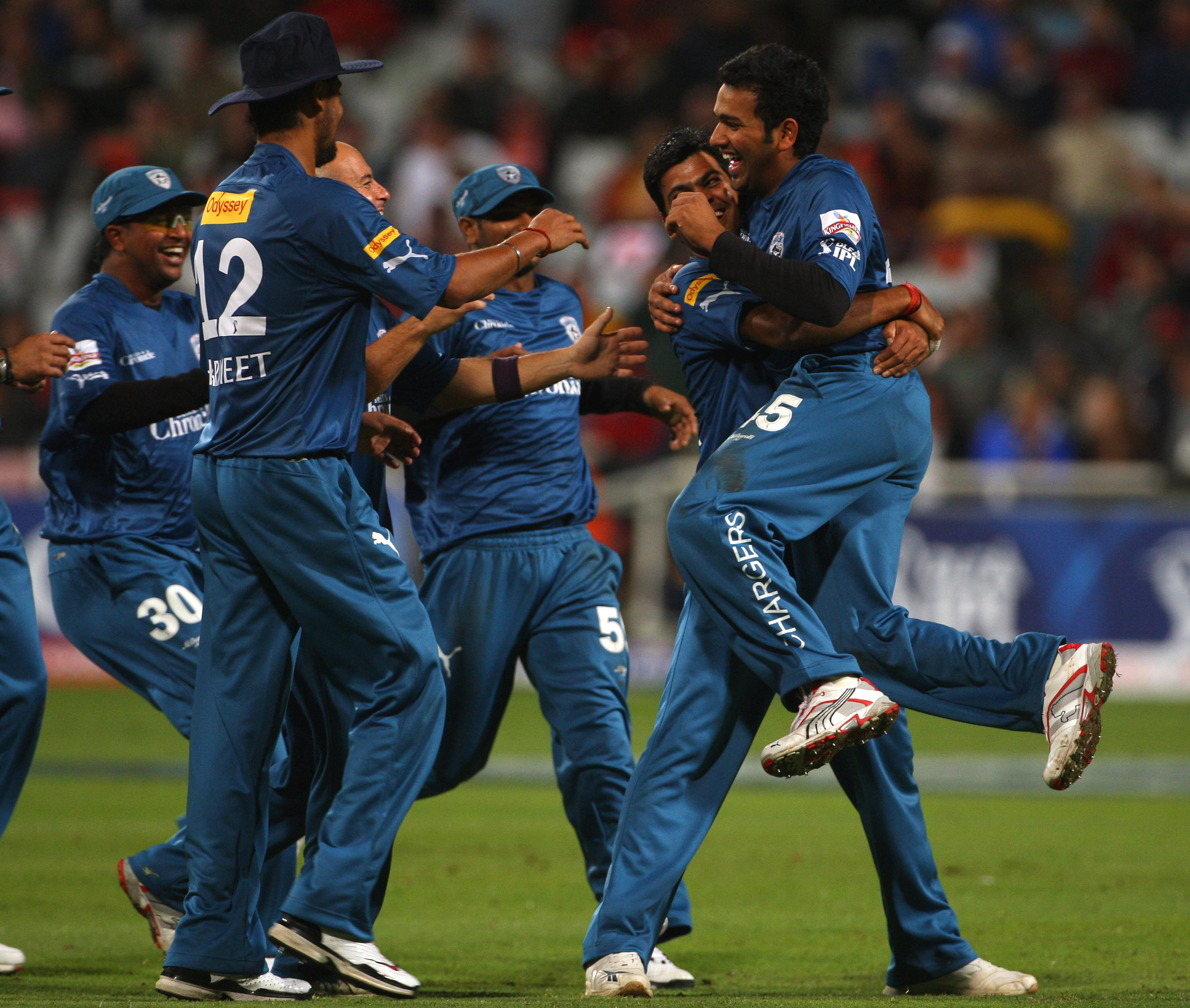
In 2012, an India TV sting operation led to BCCI disciplinary action against five domestic players. This case is often misrepresented as proof that several franchises were involved in fixing. The BCCI’s findings are more specific and more limited.
- TP Sudhindra (Deccan Chargers) was found guilty of receiving payment to spot-fix a domestic match and was banned for life
- Shalabh Srivastava (Kings XI Punjab) was found guilty of agreeing to fix and negotiate terms — though the BCCI noted no actual match-fixing took place in the IPL — and was banned for five years
- Mohnish Mishra (Pune Warriors India), Amit Yadav (Kings XI Punjab), and Abhinav Bali (unattached) were punished for what the BCCI described as “loose talk and unsubstantiated bragging” that brought the game into disrepute — each receiving a one-year ban
None of the three franchises were banned or formally punished. Deccan Chargers later ceased to exist for financial and contractual reasons. Pune Warriors India left the IPL over a dispute with the BCCI related to the annual franchise fee — neither departure was connected to the 2012 sting.
The 2012 sting was a player-disciplinary case. It should not be treated as franchise-level fixing.
4. Sunrisers Hyderabad: Allegations Reported, No Official Action
Source: https://x.com/cricbuzz
Status: Unsubstantiated media allegations Official Action: None
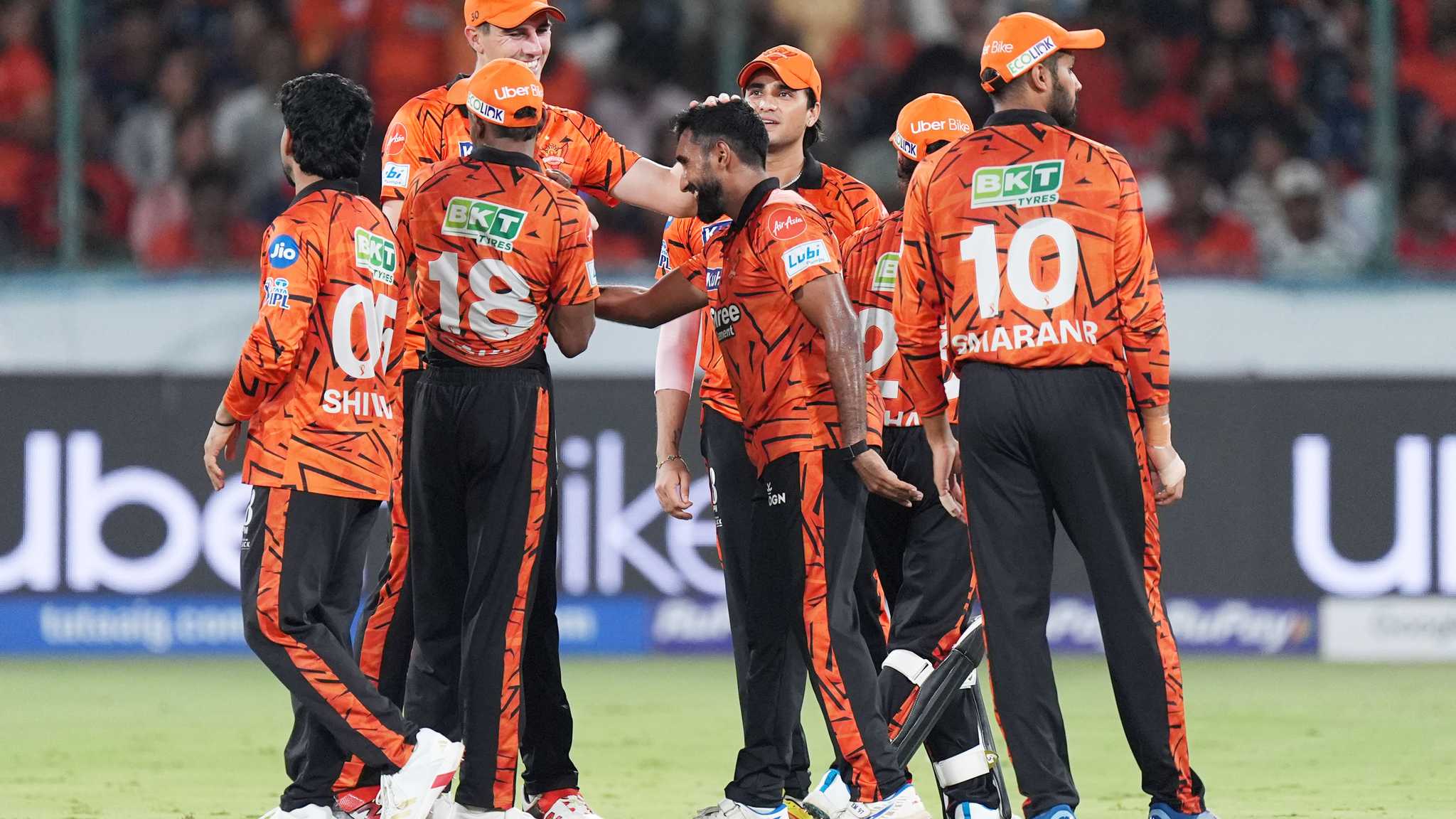
Sunrisers Hyderabad were mentioned in media reports during the wider 2013 corruption fallout. A bookie reportedly claimed during police questioning that four SRH players — Thisara Perera, Bihari, Ashish Reddy, and Karn Sharma — were connected to a fixing approach. However, those claims were not followed by any public BCCI sanctions against the franchise or against the named players.
Sri Lanka Cricket later stated that the BCCI Anti-Corruption Unit had refuted allegations concerning Thisara Perera specifically. No formal investigation was ever launched against Sunrisers Hyderabad as a franchise.
Sunrisers Hyderabad should not be listed as a proven fixing team. The available record supports only that allegations were reported — and not substantiated through any official sanction.
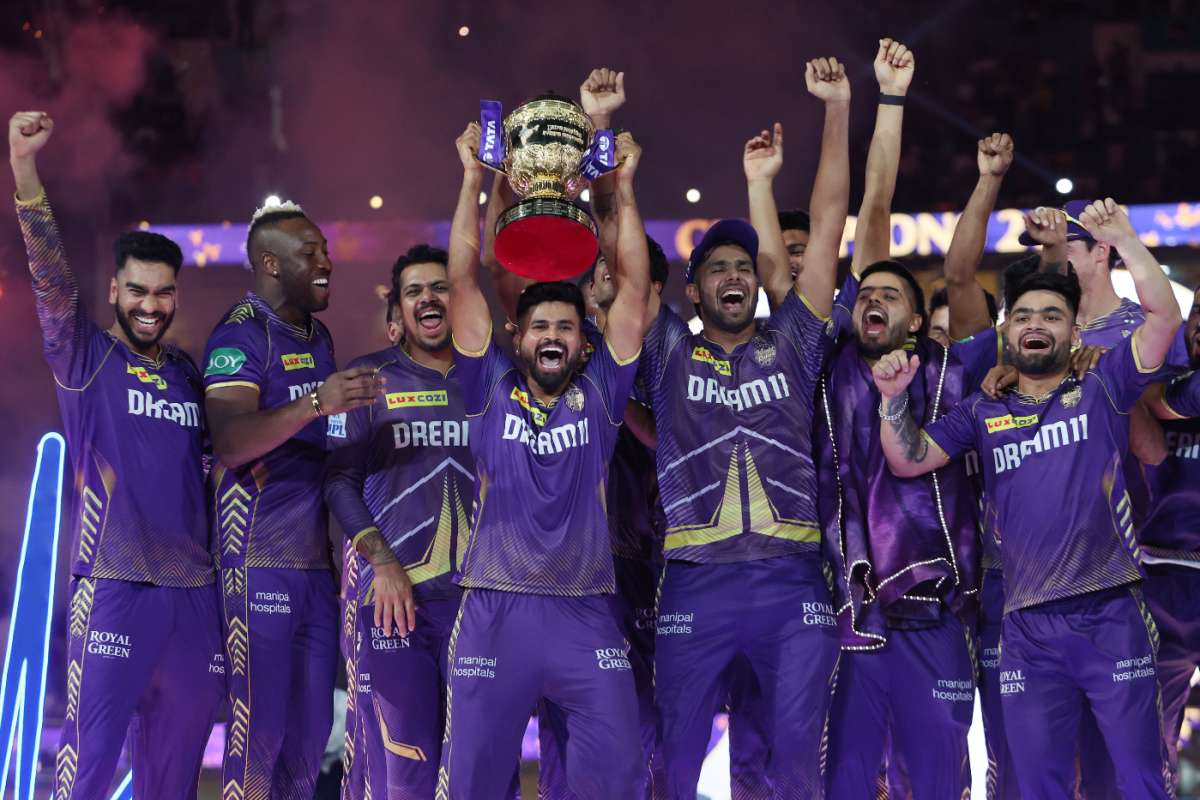
5. Kolkata Knight Riders & Royal Challengers Bengaluru: Match Examined, No Evidence Found
Source: https://x.com/CricCrazyJohns
Status: Peripheral mention in 2013 investigation Official Action: None
During the 2013 investigation, a KKR vs RCB match from 12 May 2013 came under police attention after claims made during the interrogation of arrested player Ajit Chandila. Delhi Police stated at the time that the assumption was based purely on Chandila’s allegation and that they had no evidence to conclude the match was fixed.
Neither Kolkata Knight Riders nor Royal Challengers Bengaluru were formally investigated, charged, or punished in relation to that match. Both franchises were peripheral names in a broader inquiry — not proven offenders.
Teams With No Substantiated Fixing Case
The following franchises have no credible, documented connection to any IPL fixing case based on official investigations, court records, or BCCI sanctions:
| Franchise | Basis for Inclusion |
| Mumbai Indians | Fan complaints about umpiring decisions — no official investigation |
| Delhi Capitals / Delhi Daredevils | External bookmakers arrested near team hotel (2017) — no team connection |
| Gujarat Titans | No allegations of any kind |
| Lucknow Super Giants | No allegations of any kind |
| Royal Challengers Bengaluru | Peripheral 2013 mention — no charges |
| Kolkata Knight Riders | Peripheral 2013 mention — no charges |
| Sunrisers Hyderabad | Unsubstantiated 2013 media reports — no official action |
| Kochi Tuskers Kerala | Terminated for contract/financial breach — no fixing case |
| Gujarat Lions | Temporary replacement franchise — no fixing case |
| Rising Pune Supergiant | Temporary replacement franchise — no fixing case |
Fan complaints about umpiring decisions, toss graphics, close finishes, or viral social media claims are not evidence of corruption and should not be conflated with documented fixing cases. Those claims may be widespread online, but without an official investigation, charge, or sanction, they have no place in a factual record of IPL corruption.
Master Reference Table
| Franchise | Nature of Link | Evidence Status | Official Action |
| Rajasthan Royals | 2013 player spot-fixing; Raj Kundra betting proceedings | BCCI disciplinary findings; criminal charges discharged | Two-year IPL suspension; player bans |
| Chennai Super Kings | Gurunath Meiyappan betting case | Official finding against team official | Two-year IPL suspension |
| Deccan Chargers | TP Sudhindra in 2012 sting | Individual player case | Player life ban; no franchise sanction |
| Kings XI Punjab / Punjab Kings | Srivastava and Yadav in 2012 sting | Individual player case | Player bans; no franchise sanction |
| Pune Warriors India | Mohnish Mishra in 2012 sting | Individual player case | One-year player ban; no franchise sanction |
| Sunrisers Hyderabad | Players named in 2013 media reports | Unsubstantiated; no public sanction | No action |
| KKR / RCB | 2013 match briefly examined | No corroborating evidence | No action |
| MI, DC, GT, LSG, Kochi, Gujarat Lions, RPS | No substantiated fixing case | No official finding | No action |
How the IPL Handles Corruption Today
The BCCI now operates a formal Anti-Corruption Unit that works year-round — monitoring player communications, tracking suspicious betting market movements, and running real-time surveillance at match venues. The BCCI integrity framework includes a confidential ACU hotline and anti-corruption contact channel, giving players and officials a secure way to report suspicious approaches.
All IPL players are required to complete mandatory anti-corruption education sessions before each season. These sessions cover how bookmakers operate, how to recognise a corrupt approach, and the legal and professional consequences of non-reporting. Under the BCCI Anti-Corruption Code, offences carry penalties ranging from five-year bans to lifetime exclusion from all cricket.
The results have been tangible. In 2024, BCCI ACU operatives arrested bookmakers at venues during Rajasthan Royals matches — before any corruption could occur — demonstrating that the unit now acts on intelligence rather than simply responding after the fact. In 2025, the BCCI issued proactive warnings to all IPL franchises about a suspected corrupt approach and handed a lifetime ban to Gurmeet Singh Bhamrah for attempting to fix a Mumbai T20 League semi-final.
The infrastructure that now exists is unrecognisable from the environment that allowed the 2013 scandal to unfold.
The Truth About IPL Fixing
Two franchises — Rajasthan Royals and Chennai Super Kings — were officially sanctioned and served two-year bans. Three others had individual players punished in the 2012 sting, with no franchise consequences. Every remaining team sits somewhere between unverified allegations and no documented connection at all. No IPL franchise has ever been declared a “cheating team” by the BCCI, any court, or the IPL governing body. The corruption that occurred was carried out by individuals — and the IPL has spent the years since 2013 building the infrastructure to ensure it stays that way.
Frequently Asked Questions
Which IPL team has been officially punished for fixing?
Only two franchises have ever received official punishment: Rajasthan Royals and Chennai Super Kings, both suspended for two seasons (2016 and 2017) following the 2013 scandal. No other franchise has been formally sanctioned.
Were CSK players involved in the fixing scandal?
No. The CSK case involved team official Gurunath Meiyappan, who was found guilty of illegal betting and leaking insider information to bookmakers. No CSK player was charged with or convicted of fixing at any point.
Was Sreesanth proven guilty in court?
No. A Delhi court discharged Sreesanth and his co-accused in 2015, finding insufficient evidence for criminal prosecution. The BCCI’s disciplinary ban was a separate process — and Sreesanth’s life ban was later set aside by the Supreme Court in 2019, with the punishment subsequently reduced.
Is Mumbai Indians a fixing team?
No. Mumbai Indians have no documented corruption case, no official investigation, and no BCCI sanction of any kind. Fan concerns about umpiring decisions are not evidence of fixing.
Were any other teams investigated in 2013?
A KKR vs RCB match from May 2013 was briefly examined by Delhi Police based on an unverified claim during a player interrogation. Police stated they had no evidence and the matter was not pursued. Four Sunrisers Hyderabad players were named in media reports by an arrested bookie, but no official action was taken against SRH or the players.
What happened to the players caught in the 2012 sting?
TP Sudhindra (Deccan Chargers) received a life ban. Shalabh Srivastava (Kings XI Punjab) received a five-year ban. Mohnish Mishra (Pune Warriors), Amit Yadav (Kings XI Punjab), and Abhinav Bali each received one-year bans. No franchises were sanctioned.
Is IPL fixing still a problem today?
The BCCI’s Anti-Corruption Unit now operates year-round with real-time surveillance, mandatory player education, and active law enforcement collaboration. While corruption risk can never be eliminated entirely, no IPL franchise has been formally implicated in any fixing case since 2013.
Who is the No. 1 fixing team in IPL history?
No such official designation exists. Based purely on documented official action, Rajasthan Royals carried the most serious player-level corruption case and Chennai Super Kings the most serious management-level case — both resulting in two-year bans. Beyond those two, no other franchise has a proven fixing record.