 Liam Duckstein
FIFA has never been shy about protecting the World Cup brand. At a tournament where sponsorship money runs into the billions, every logo, stadium name, and commercial reference matters.
Still, some of the restrictions at the 2026 FIFA World Cup have looked extreme, even by football’s modern commercial standards.
Famous venues have suddenly been stripped of their usual identities. Estadio Azteca has become Mexico City Stadium. MetLife Stadium has become New York New Jersey Stadium. Levi’s Stadium has been renamed San Francisco Bay Area Stadium for the tournament.
And now, even condiment bottles have reportedly been dragged into the clean-branding crackdown.
100% 1st Deposit Bonus up to €750 + 100 FS — World Championship 2026 on TipsGG × Casino Prestige
Follow every match of the World Championship 2026, analyze live, and place bets on the best terms. Get a 100% bonus up to €750 + 100 FS on Casino Prestige and don’t miss the chance to boost your bankroll for the biggest tournament of the year.
Condiment Brands Covered With Black Tape
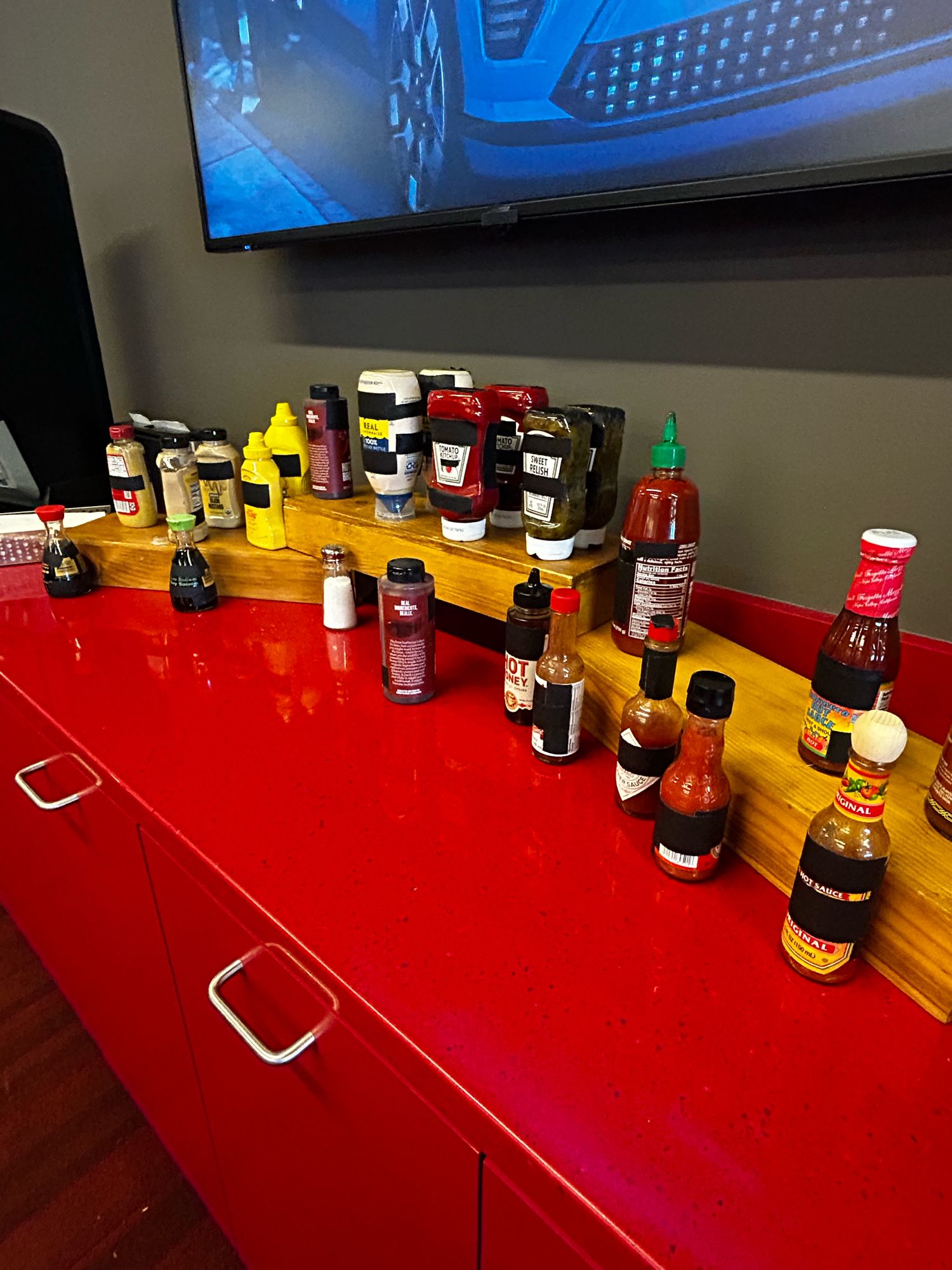
Inside one World Cup media room, journalist Kevin Nguyen shared an image showing condiment bottles with their labels covered by black tape. Brands such as Heinz were hidden from view, leaving reporters with generic-looking sauces rather than recognisable products.
For fans and media already facing high food and drink prices at major tournaments, it added a slightly absurd twist. You may pay premium stadium prices, but FIFA still does not want an unofficial brand sneaking into the World Cup environment.
It sounds excessive, but it fits the wider logic of FIFA’s commercial machine.
Source: x.com/KevinNguyen_89
Why FIFA Changes Stadium Names During the World Cup
FIFA’s rule is simple: companies that are not official World Cup sponsors should not receive visible commercial exposure from the tournament.
That is why sponsored stadium names are temporarily replaced with neutral geographic names. SoFi Stadium becomes Los Angeles Stadium. MetLife Stadium becomes New York New Jersey Stadium. Levi’s Stadium becomes San Francisco Bay Area Stadium.
The goal is to protect official partners who have paid for exclusive association with the World Cup. If a brand has not paid FIFA for sponsorship rights, FIFA does not want it appearing on global broadcasts, stadium backdrops, press-room photos, or fan content.
In football terms, this is FIFA defending its commercial penalty area.
The Levi’s Case: A Restriction That Backfired
Levi’s was supposed to disappear from its own stadium. Instead, it became one of the best marketing stories of the tournament.
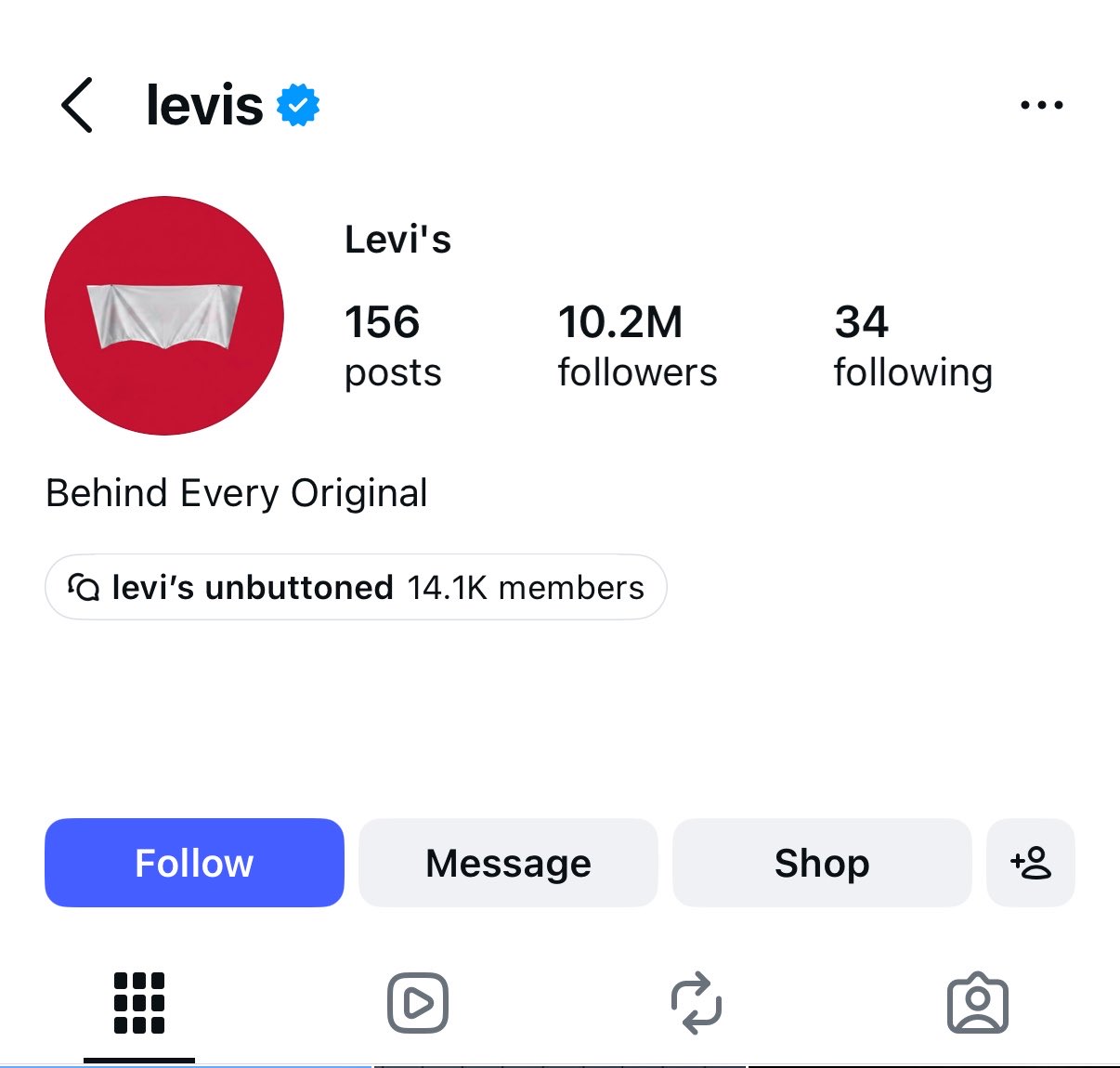
The company’s name was removed from the Santa Clara venue, but the famous red batwing logo shape remained recognisable even after being covered. Fans quickly noticed that the attempt to hide the brand had made it even more obvious.
Levi’s then leaned into the moment. The brand changed its social media profile image, joked about the “redacted” stadium, and turned a compliance issue into a viral campaign.
That is the lesson FIFA probably did not want to teach: strong branding does not always need a name. Sometimes a shape, colour, or silhouette is enough.
Source: x.com/iTakkung
Clean Stadiums, Ambush Marketing, and FIFA’s Commercial Power
FIFA’s clean-stadium policy is designed to stop ambush marketing. That means preventing brands from creating the impression that they are connected to the World Cup without paying for official rights.
From FIFA’s perspective, the logic is clear. If official sponsors are paying huge fees for exclusivity, the tournament must protect that value. A soft drink, betting company, car brand, or clothing label cannot simply appear in the background and benefit from the World Cup spotlight for free.
That protection extends far beyond pitch-side boards. It covers stadium names, venue signage, fan zones, media spaces, and commercial activity around match sites.
For businesses, the warning is obvious. Referencing the World Cup in advertising can be risky if the campaign suggests an official link with FIFA, uses protected marks, or copies tournament branding too closely.
What Brands Can Still Do
Not every football-themed campaign is banned. General football language, fan discounts, country references, and generic match-day imagery can still be used when they do not imply official sponsorship.
The danger comes when a brand gets too close to FIFA’s protected signs, slogans, logos, mascots, trophy imagery, or tournament identity. Phrases that look like official slogans, ticket promotions without permission, or designs that mimic World Cup assets can quickly invite legal trouble.
For companies planning campaigns around the 2026 World Cup, the safest approach is clear: celebrate football, but do not pretend to be part of FIFA’s official commercial family.
Final Whistle: FIFA Can Hide Logos, But Not Great Branding
FIFA’s restrictions may look heavy-handed, especially when even ketchup bottles are getting taped over. But they are part of a broader system built to protect one of the most valuable sponsorship ecosystems in sport.
Yet the Levi’s moment showed the limits of that control. FIFA can rename a stadium. It can cover a logo. It can scrub a venue clean.
What it cannot always do is stop fans from recognising a brand that has already earned its place in culture.
That is the real marketing win. Levi’s did not sponsor the World Cup, but for one viral moment, the World Cup gave Levi’s exactly what every sponsor wants: global attention.