 Sofia Quijada
Vinicius Jr’s Frustration Reflects Deeper Issues
Vinicius Jr‘s reaction after being substituted against Barcelona wasn’t a rebellion or a sign of imminent departure. Instead, it highlighted the growing friction between the Real Madrid star and his manager, Xabi Alonso.


When Vinicius muttered, “I’m going to leave this team,” he wasn’t expressing a new thought. The idea had surfaced before, particularly during the last transfer window. Those close to him later acknowledged his comments were emotional, stemming from a clash with Alonso before the Club World Cup match against Paris St-Germain.

The Brazilian no longer feels “untouchable.” Under Carlo Ancelotti, he enjoyed freedom to express himself and lead by instinct. Alonso’s approach is more structured, even “rigid,” according to some players. The manager aims to impose discipline, consistency, and shared responsibility—a stark contrast to Vinicius’ previous experience.
A Clash of Styles
Alonso’s methods are rooted in authority and planning. He insists Vinicius won’t finish every game, emphasizing rest and competition from Rodrygo. The manager’s stance is non-negotiable, reflecting his belief in structure after a season of underachievement.
Vinicius, accustomed to being indulged, struggles with this shift. He expected a closer relationship with Alonso, similar to the warmth he shared with Ancelotti. The absence of that personal connection has contributed to the tension.
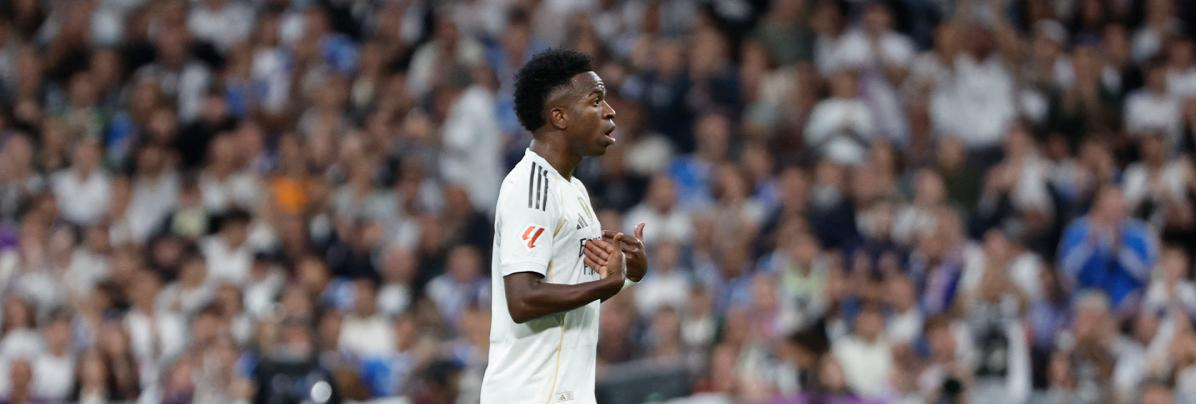
Vinicius Jr. Source: French Football Weekly
The Shift in Real Madrid’s Focus
The club’s leadership insists Vinicius remains vital to their future, aiming to renew his contract until 2030. However, the player has hesitated, feeling the club hasn’t adequately protected him from media criticism and refereeing controversies.
Currently, Vinicius wouldn’t sign a renewal under the existing conditions. His relationship with Alonso remains distant, and substitutions continue to fuel frustration. Yet, football’s dynamics can change rapidly. If trust is rebuilt, the contract could follow.
Understanding Vinicius’ Reactions
Vinicius’ upbringing in Sao Goncalo, on the outskirts of Rio de Janeiro, shaped his resilience and defensiveness. He reacts strongly when he feels disrespected but quickly calms down. Teammates describe him as “not a bad person, just impulsive.”
After Sunday’s incident, Vinicius apologized publicly and to the team. Alonso accepted the apology, recognizing the player’s intensity and unpredictability as valuable. Both must now navigate this challenge with maturity.
A Test of Maturity
Alonso won’t compromise his methods, and Vinicius must channel his emotions into performance. The next high-stakes match will test their relationship further. If Vinicius starts and shines, the noise may fade. If he sits out, another flare-up could occur.
The club hierarchy remains calm, and the dressing room has weathered bigger storms. For now, this tension seems contained, but the road ahead requires careful management.