
Who is the best El Clásico player of all time? It’s the eternal question that sparks debates from the Camp Nou to the Bernabéu. This article isn’t just another listicle – it digs into the skills, stats and legacy of the legends who lit up Barcelona–Real Madrid clashes. We’ll break down the winning criteria (from insane technical mastery to sheer consistency), and then rank the Hall of Fame: ten icon players with the wildest El Clásico resumes. Along the way you’ll find crazy stats – like Messi’s record 26 Clasico goals – and the stories of how these ballers defined the rivalry’s history. Strap in for some exclusive insights, tactical analysis and tips on levelling up your own game by studying the greats.


Criteria of Greatness
What makes an El Clásico legend? It’s not just scoring goals (though that helps) – it’s a mix of factors that any aspiring baller should note:
- Technical mastery & football intelligence: How insane are their skills and decision-making? Legends have game vision and mastery over the ball. For example, Xavi Hernández could “anticipate an opponent’s move before they even made it” and used pinpoint passing like a cheat code to control matches. These players often break the game meta by inventing new tricks on the pitch.
- Consistency & achievements: It’s rare to shine once in Clásicos – true legends dominate over years, season after season. Consistency at the top level (think Messi’s trophy haul or Di Stéfano’s decade of titles) shows an unwavering skill ceiling. These stars often collect stacks of trophies (Liga, Champions Leagues) that few can match.
- Leadership & influence: A top Clasico player isn’t a solo boss – they elevate the whole squad. They inspire teammates, set the tempo (as Xavi did) and deliver in clutch moments. Their impact goes beyond their stat sheet – they change the way teams play. Great players also spark new tactics: e.g., Busquets redefined the defensive midfield role, making it a must-have meta piece in modern football.
Hall of Fame: Best El Clásico Players 2025
Here are the top 10 El Clásico ballers, ranked 10 down to 1. For each we give country and era, style/achievements, and influence. These legends turned Clasicos into their personal stage and left stats that still stun.
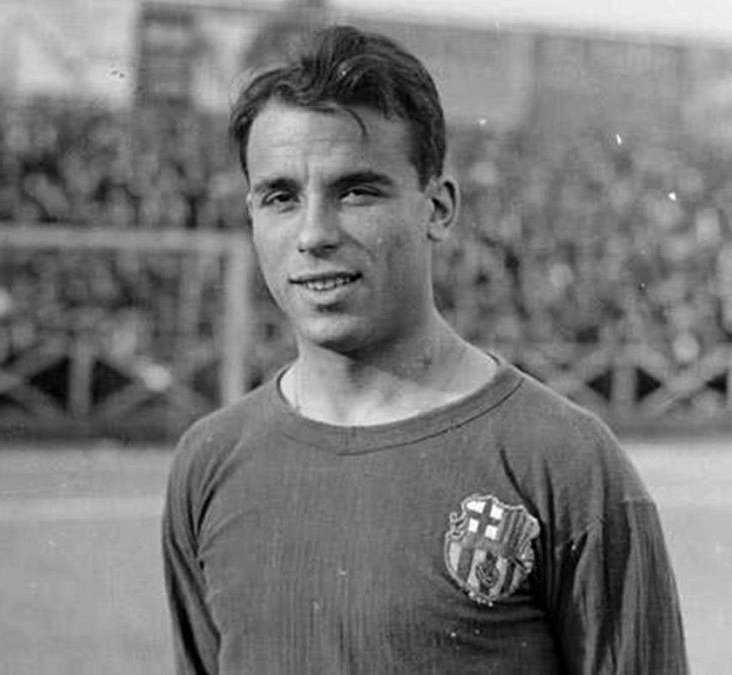
10. Josep Josep Samitier (Spain, 1920s)
A Barca and Real Madrid forward in the 1920s, Samitier was football’s early superstar. Nicknamed “El Hombre Langosta” (The Lobster), he had crazy technical flair and netted bags of goals at a time when football tactics were still basic. In 13 seasons with Barcelona he scored 326 goals (including friendlies) – making him the club’s third-highest scorer of all time – and helped win La Liga’s very first title (1929). He even played for Real (1932–34), becoming one of the few dual-heroes of El Clásico history. Samitier’s influence was huge: he introduced innovative formations (like the 3-2-5) and was a cultural icon off the pitch too. To gamers: think of him as the OG unlockable legend skin – crushing rival teams before most players even had tactics. His natural game intelligence and goal-poaching make him a fitting Hall-of-Famer in “El Clásico history.”
Source: x.com/CdCiudadDZamora
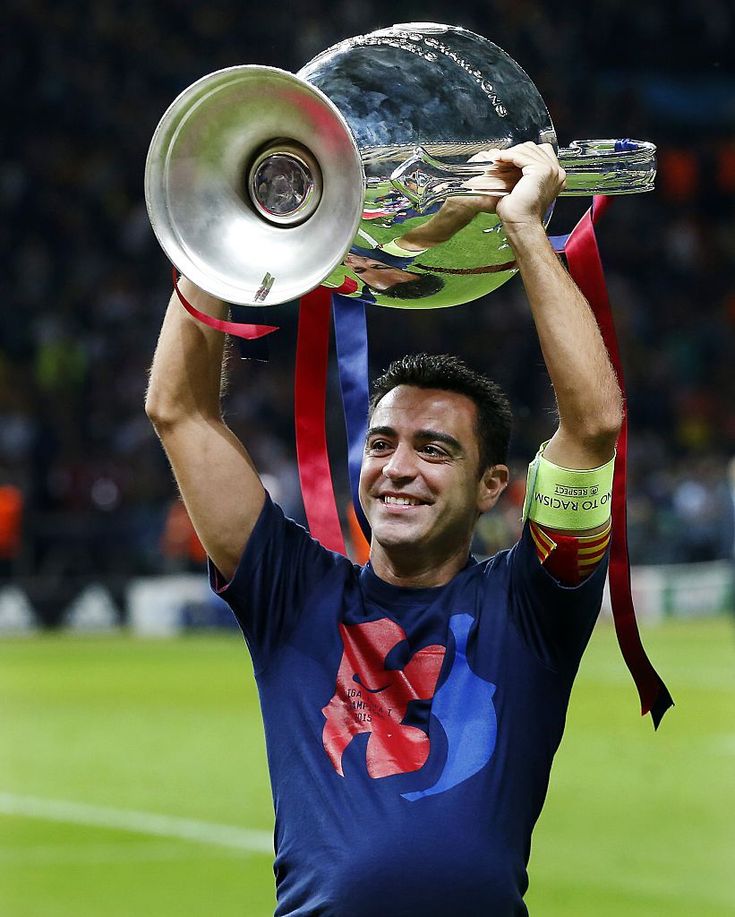
9. Xavi Hernández (Spain, 1990s–2010s)
Xavi is the ultimate midfield maestro. A Barcelona one-club man, his passing and vision were overpowered assets: he could dictate the tempo of a match like no other. Sports Illustrated hails him as one of “the greatest midfielders of all time” for a reason. Tactically it was insane how he saw the whole field; his pinpoint long balls and tenacious work rate unlocked defenders again and again. With Barça Xavi won 8 La Liga titles and 4 Champions Leaguetrophies, and as captain he led by example. He was the brain of the team’s tiki-taka era – think of him as the gaming controller’s AI that always knows where your forwards are. In El Clásicos he often pulled the strings; one stat that speaks volumes (even if not on an official board) is that in his final Clasico in 2019 he completed a jaw-dropping ~1,400 passes, a record for any Clasico. Today he’s taken that brain to coaching, proving the tactical knowledge can transcend generations. Aspiring ballers can learn heaps from Xavi’s calm-under-pressure style and masterful ball distribution.
Source: x.com/SANTICE_9
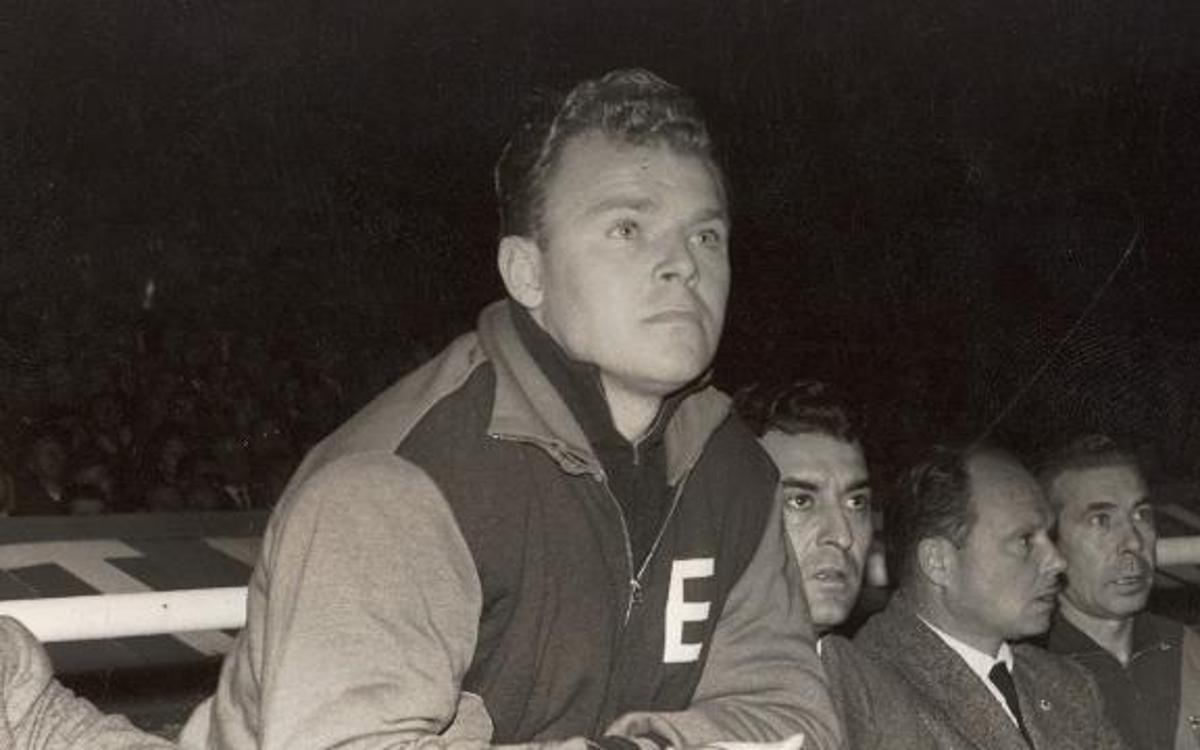
8. László Ladislao Kubala (Hungary/Spain, 1950s)
A true showman, Kubala was Barça’s hero in the post-war “Golden Team” era. This lightning-quick forward had a killer left foot and a dribble that was pure spectacle – defenders rarely stopped him. He played for the Catalan XI in the 1948 season and soon became a sensation. By the end of his Barca career he had scored 280 goals in 345 games(including unofficial matches), and in a fan poll he was even voted Barça’s best-ever player of the 20th century. Kubala and Di Stéfano shared the pitch a few times, and their combined threat forced legends to call extra defensive help whenever they were on. His influence? Kubala popularized flashy wingplay and an all-around forward role in Spain – a bit like a legendary game character who can shoot, dribble and pass all at once. If you study old-footage clips, you’ll see “run-and-gun” moves and hat-trick games that still look mythic today.
- Also read: Best Defenders in the World – Rank
Source: x.com/absolutesarosi
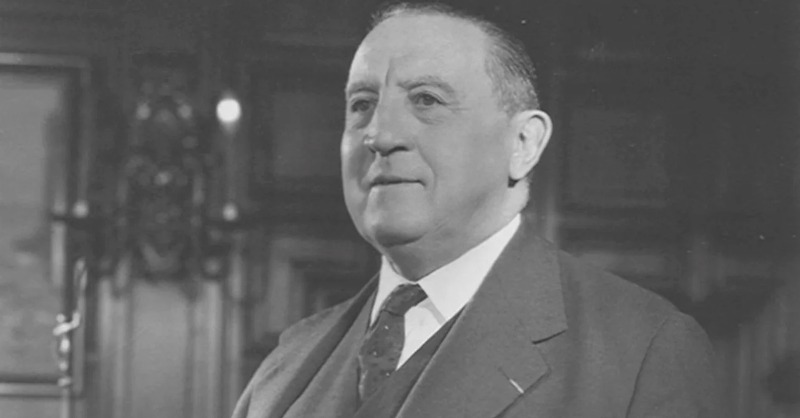
7. Santiago Bernabéu (Spain, 1920s)
Not just a stadium name – Bernabéu was a Real Madrid icon on and off the pitch. As a player in the 1910s–20s, he was an agile forward: scoring 20 goals in just 22 league games for Real (almost a goal per game!). But his real legacy came as president: he built Real into a world superpower. Under “Don Santiago,” Madrid signed Di Stéfano and went on to win the first five European Cups. Today the Madrid home ground bears his name – proof of his influence. In Clásico folklore, Bernabéu’s vision shaped the rivalry: he once famously signed Barça’s star goalkeeper Ricardo Zamora, and the Bernabéu stadium (1937) soon became the ultimate battleground. In a sense, he changed the game by mixing football and big-time business, pushing standards everywhere. Imagine the ultimate guild-leader in eSports: he didn’t just play, he organized an empire. His Hall-of-Fame status is cemented by this dual impact on El Clásico – almost a founder of Real’s mythical aura.
Source: x.com/realmadrid
6. Luís Figo (Portugal, 1990s–2000s)
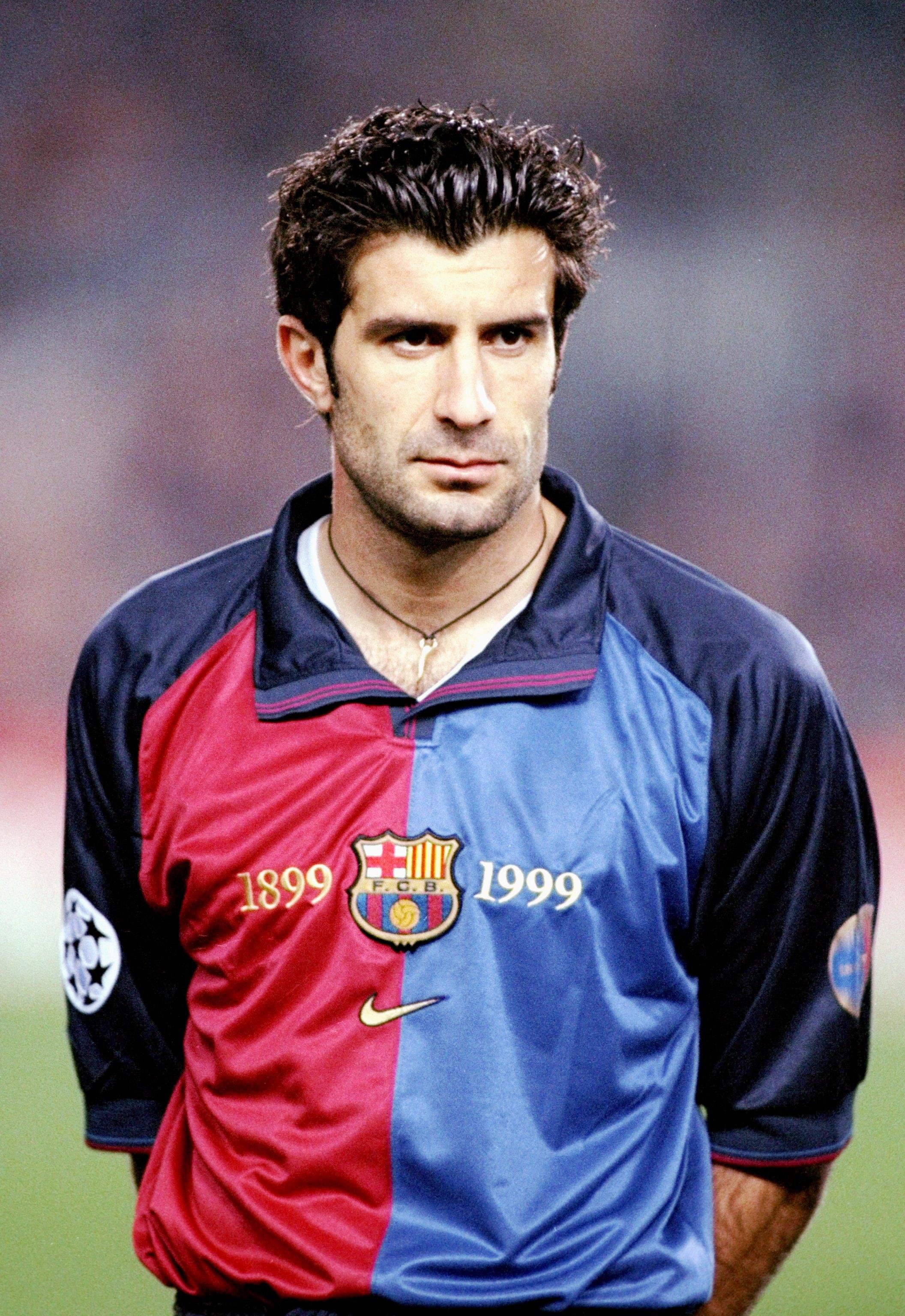
Figo has the distinction of bossing it for BOTH sides. A mercurial winger, he first dazzled at Barça with dazzling dribbles and pinpoint crosses, then shocked the world by transferring to Real in 2000. Even Real fans grudgingly respect him for his craft. He was one of football’s first true “Galácticos” – winning 5 La Liga titles (4 with Barça, 1 with Real) and a Champions League with Madrid. In 2000 he won the Ballon d’Or, awarded to Europe’s best player – showing how elite he was. In Clasicos, Figo racked up a goal involvement freak that stands out: he scored against the rival almost every season. (Legend has it he scored 16 goals for Barca vs. Madrid and later 7 goals for Real – one of the few to clutch at both camps.) His controversial Camp Nou return in 2002 (with a pig’s head thrown at him) cemented his legacy as a high-stakes antihero. Influence-wise, Figo opened the door for the modern galactico swap and showed how tactical wing-play (skilled dribbling into the box) wins big games. To gamers: he was like a mid-meta character who suddenly gets buffed after changing teams – still OP on either side.
Source: x.com/FutbolDeEsp_tr
5. Ferenc Puskás (Hungary, 1950s–60s)
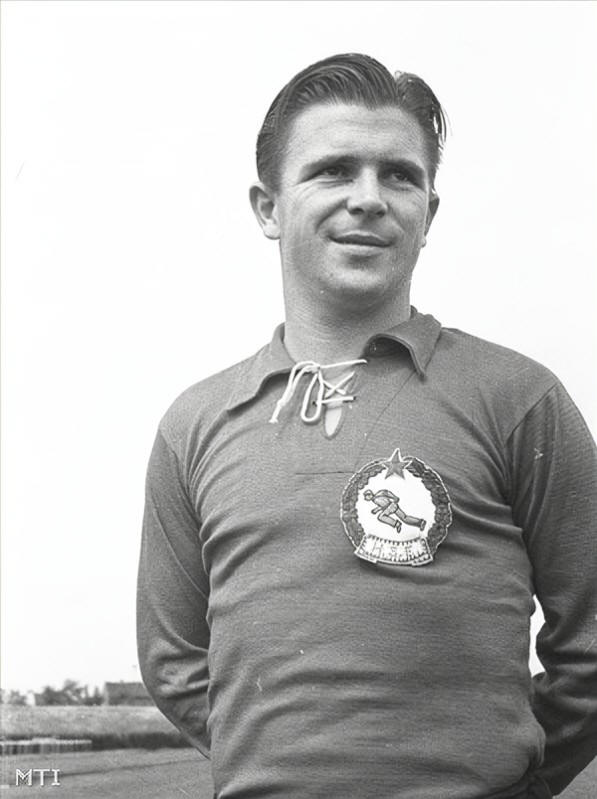
Puskás is mythical – the Hungarian striker who terrorized defenses. At Real he formed a “Super Duo” with Di Stéfano. A centre-forward with a sniper’s shot, he averaged about a goal per game at Madrid. In El Clásicos he scored 14 goals (sharing a top-spot for the 20th century). He even hit multiple hat-tricks – one of only four players in history to net more than one Clasico hat-trick. His volleyed goals are still on highlight reels (like a fiery shot that looks impossible). On the tactical side, he was the prototype of the modern goal-machine – relentless, athletic and always ready to finish. He won 5 league titles and 3 European Cups with Real, and even a Fairs Cup (the UEFA Cup precursor). Puskás’s swagger inspired generations – some say he revolutionized the striker role with his powerful shots and clutch instinct. For our generation: imagine a pro player with a high sensitivity aimbot on – every time he shot, it hit the target.
Source: x.com/Trachta10
4. Sergio Busquets (Spain, 2000s–2023)
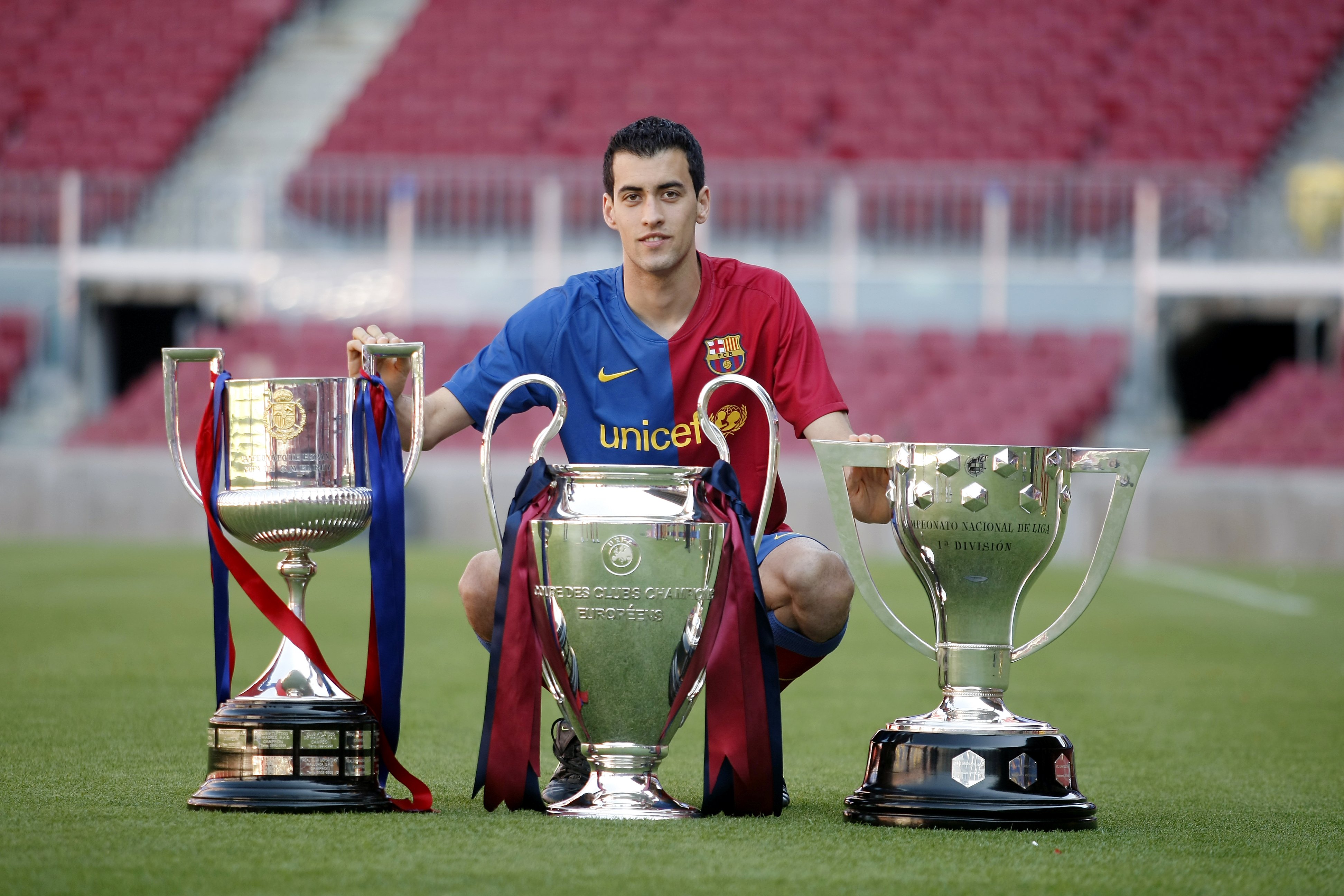
The invisible engine – Busquets may not light up the stat sheet, but he quietly dominated. As Barcelona’s midfield anchor for 15 years, he broke El Clásico records: he has the most Clasico appearances (46) of anyone and was on the winning side a record 22 times. In those 46 games he’s had 22 wins, 8 draws and just 16 losses – crazy consistency. Remarkably he never scored in an El Clásico, yet his influence was enormous: he wins battles in midfield by positioning and passing with the precision of a video game pro’s movement keys. Busquets won 8 La Ligas and 3 Champions Leagues, and he anchored every one of them with his calm vision and ball control. In modern tactics, he essentially created the modern defensive mid meta: sitting in front of the back line, breaking up attacks and distributing short passes like an AI. Barcelona’s FC site even notes he surpassed Messi’s Clasico appearance record – a sign of his longevity. A tip for gamers: study Busquets’ 2010 World Cup final goal run or his football IQ; he sees “through” play like having wallhack on. His legacy is that of the ultimate team player – an unsung captain who shows up every Clásico battle and rarely loses it.
Source: x.com/FCBarcelona
3. Alfredo Di Stéfano (Argentina/Spain, 1950s–60s)
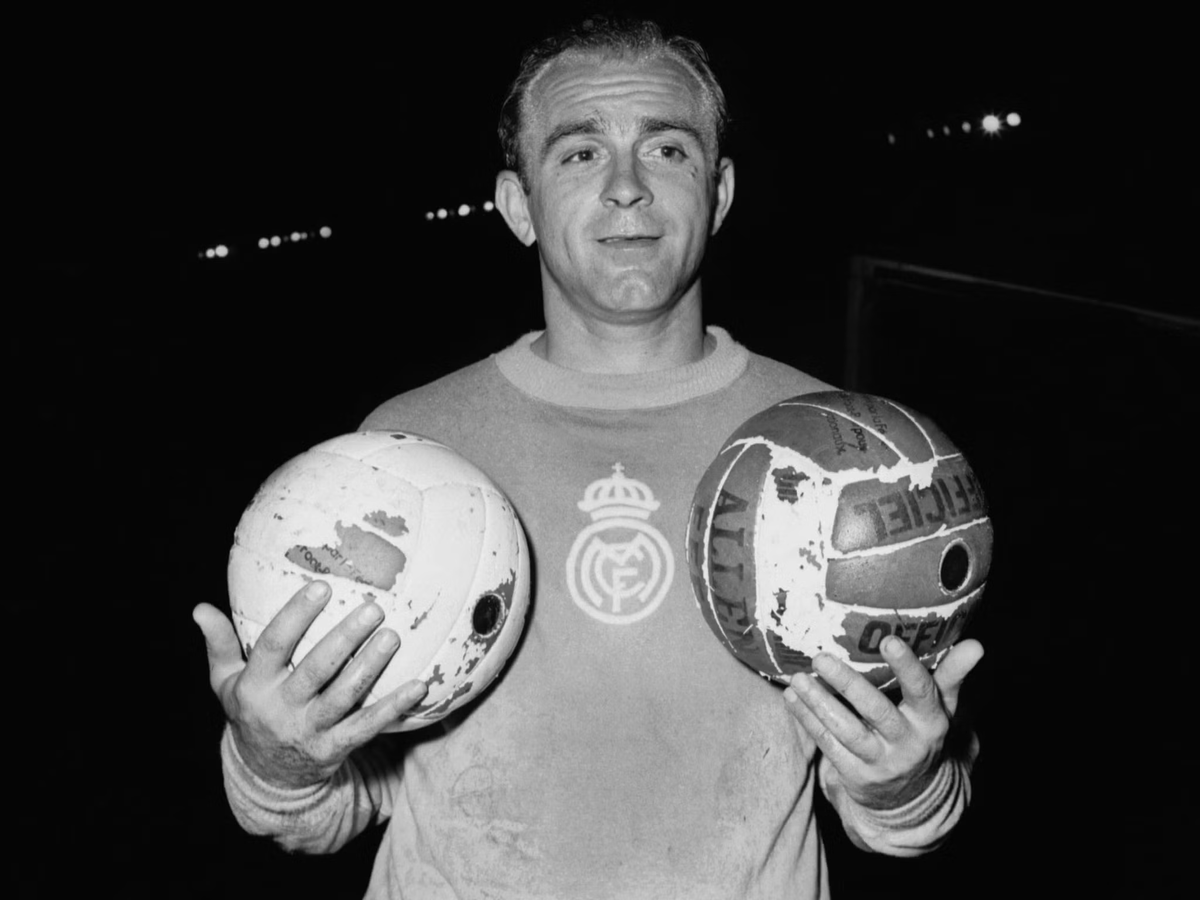
Real’s number 9-and-10 in one. Di Stéfano changed football. He could dribble, pass, defend, and most of all – he scored. In Clasicos, he logged 18 goals (tied for #2 all-time) and often decided the title race in Madrid’s favor. His trophy haul is absurd: 8 La Liga titles and 5 consecutive European Cups! Tactically, he was ahead of his time – capable of playing anywhere on the front line, he forced Real to balance attacking freedom with disciplined defense. Legends even say teammates sometimes struggled to keep up with his athleticism. Di Stéfano was named Real’s all-time greatest player by fans for good reason. He popularized the idea of an all-round striker: the perfect mix of finesse and power. In video-game terms, he had 99 stats in virtually every category. And yes, he even has 2 Ballon d’Ors to his name. For legend buffs: he scored more El Clasico goals than any player in the 20th century – an insane stat given how long the fixture’s been around. If you want tips, note how he never stops moving: check old clips and you’ll see him constantly creating chances.
Source: x.com/ExtremeFootbal4
2. Cristiano Ronaldo (Portugal, 2009–2018)
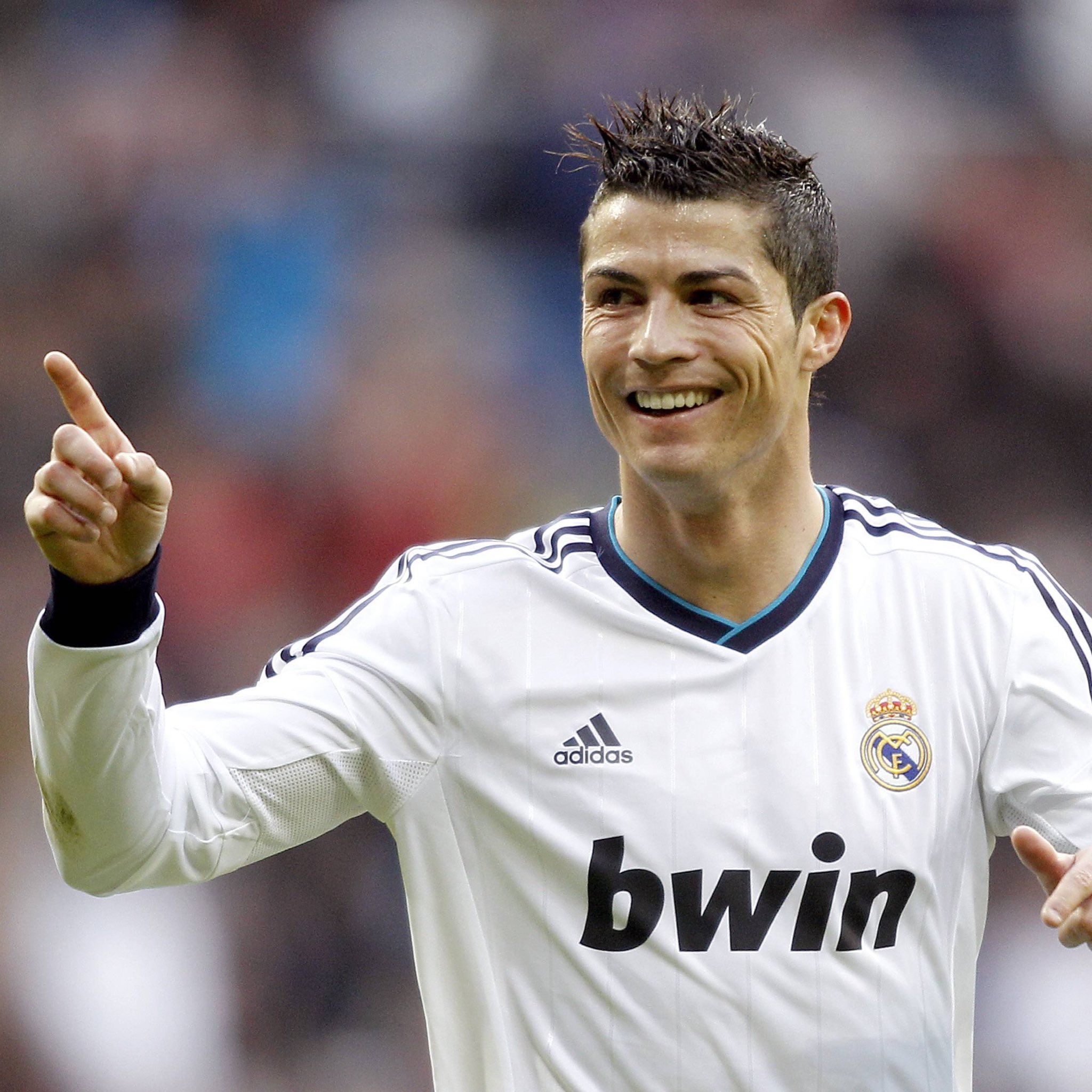
The Portuguese phenom is the modern El Clásico assassin. Physically he was unreal – leaping headers and knuckleball shots – and mentally he thrived on big moments. He scored 18 goals in Clasicos (tied with Di Stéfano) and made both camps feel it. His numbers at Real were mind-blowing: 451 goals in white, 5 Ballon d’Ors (acknowledged by Sports Illustrated as part of the greatest duo of all time). He powered Madrid’s 2010s Champions League three-peat – showing he’s as clutch as any boss fight in sports. Ronaldo brought a new fitness “buff” mindset to the game: extra gym work, pinpoint diet – the meta had to adapt just to try to contain him. One crazy stat: he reached 1000 career goals faster than anyone, and many of those came against Barcelona. Yet he also had to evolve – after early El Clasicos where Barca got the better of him, he improved his hold-up play and heading to keep dominating. For aspiring players, CR7 shows the value of constant levelling-up: always working, always improving. A practical tip? Study his penalty run-up and free-kick technique – precision and speed. Truly, he’s one of the GOATs of El Clásico.
Source: x.com/pubitysport
1. Lionel Messi (Argentina, 2004–2021)
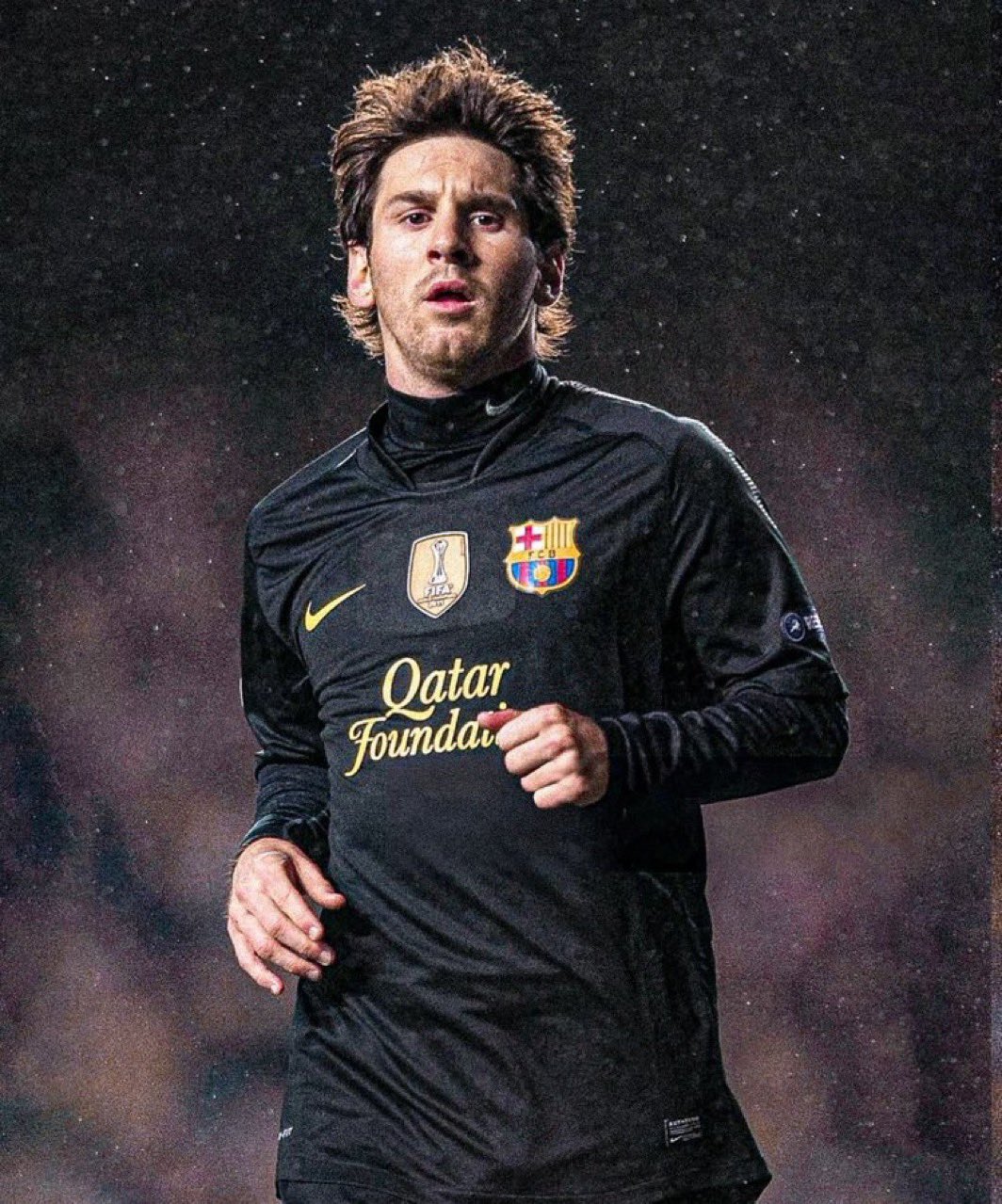
The king of Clásico stats: Lionel Messi. There is simply no one else who has done it more. He scored 26 goals against Madrid – eight more than the next player – and added 14 assists! That’s an average of 0.85 goal contributions per Clasico. And these weren’t just tap-ins – they were dazzling solo runs, chipped finishers, last-minute winners. One unforgettable moment: his solo goal in the 2011 Champions League semi-final, dribbling past half the team. Beyond El Clasico, Messi’s trophy cabinet is insane (35 major titles with Barça and 7 Ballon d’Ors). He defined the word magician with a football, hitting curved shots that left keepers flat on their back. Tactically, he forced opponents to double-team him, which opened space for teammates – a genius influence on the game itself. Video-game analogy: Messi is as if you unlocked the ultimate move in FIFA – nothing he does seems human. In Clásico lore, he had so many high score moments – remember his late winner at the Bernabéu in 2017 or taking the 2015 Clásico by storm – that he’s cemented as the greatest. Anyone chasing skill improvement can watch his balance, low center of gravity and close control to level up their dribbling technique. In short, Messi has played at a GOAT level more times than any other Clásico player.
Source: x.com/futnostalgico
Honorable Mentions
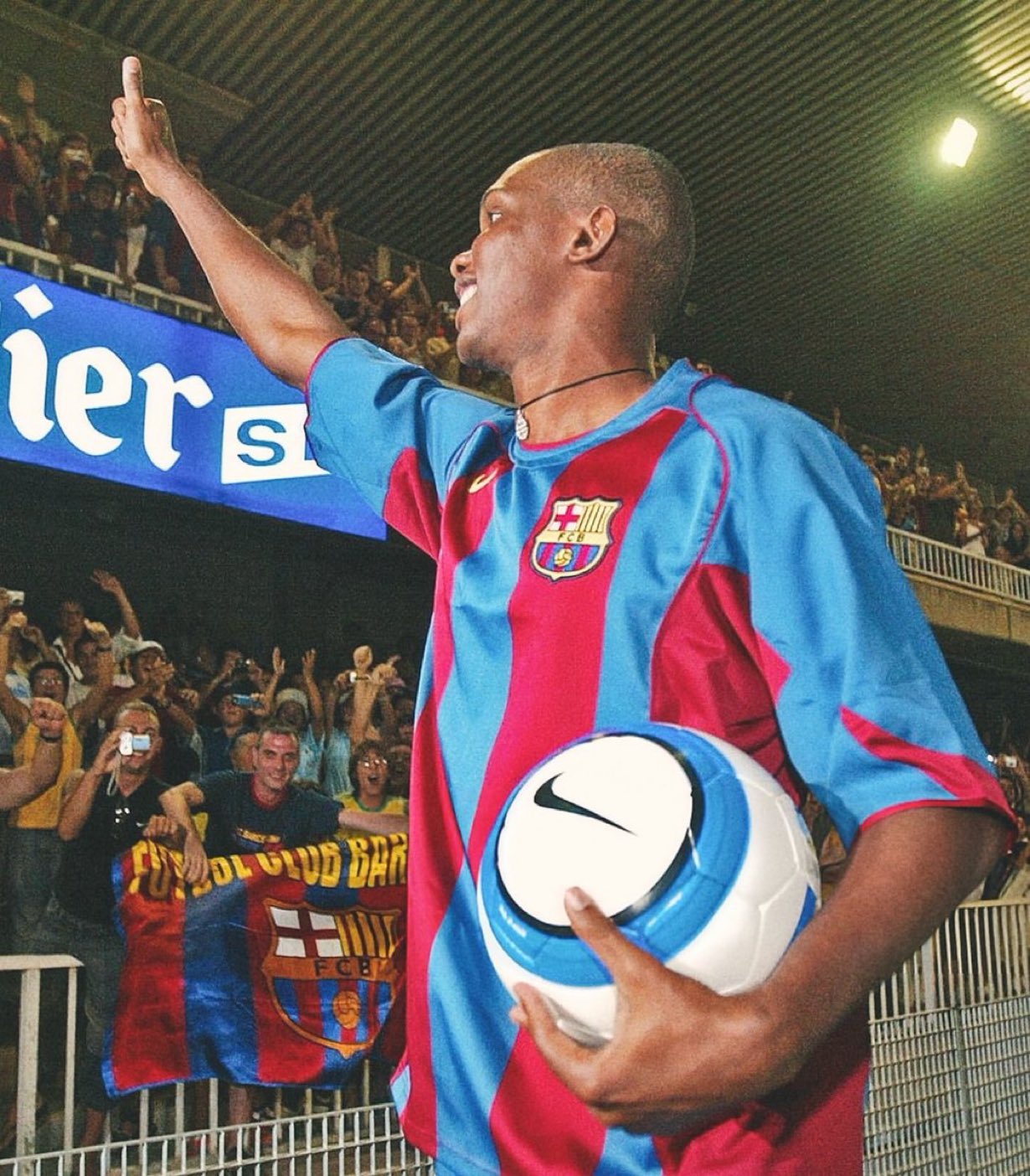
Aside from those ten legends, many other stars left their mark in El Clásico folklore. Iván Zamorano (Chile, Real 1990s) scored screamers and hat-tricks (famously a super hat-trick in 1995) that helped Real win multiple clasico derbies. Víctor Valdés (Spain, Barça keeper) backstopped an era of success – often keeping Madrid at bay with acrobatic saves. Raúl González (Spain, Real 1990s–2000s) was Madrid’s talisman: he remains Real’s second-highest appearance maker and scored 15 El Clasico goals, many of them in crucial games. Samuel Eto’o(Cameroon, Barça 2000s) terrorized defenses with speed and skill – he had 8 goals in 16 Clasicos and played the starring role in Barça’s 2006 sweep of Madrid (including two in one game). Each of these players – and others like Rafa Márquez, Pep Guardiola or Nayim – earned iconic moments. While space forbids deep dives on them all, their unique flashes (like Zamorano’s flying kicks or Eto’o’s punkish celebrations) deserve salute.
Source: x.com/futnostalgico
Legacy and Future of Legends
The El Clásico legacy is huge in football culture, and it’s evolving fast. Today’s stars must cope with even higher competition and pressure: the global talent pool has exploded and sports economics (mega wages, sponsorships) mean clubs sign superstars from everywhere. A 16-year-old phenom now needs not just skill, but also social media savvy and the right brand image. Potential youngsters like Barcelona’s Pedri or Gavi, or Real’s Vinícius Jr., are already grinding hard to reach legend status. They face a tougher meta – teams study footage endlessly, and tiny tactical adjustments can make or break you.
Culturally, these legends have become media superstars far beyond the pitch. Messi and Ronaldo alone boast hundreds of millions of followers on Instagram and Twitter, and their every move spawns memes and YouTube reaction videos. They appear on video game covers, stream highlights on FIFAe tournaments, and even do game-like sponsor deals. El Clásico itself has turned into a streaming spectacle; broadcasters package it like a seasonal “final boss” event. In gaming lingo, these players have gone mainstream – think Fortnite skins, or Twitch streams where fans debate last night’s winner. In short, football icons are now content creators, meme fodder and lifestyle influencers all at once. The next-gen wonderkids will have to be superhuman not just on grass, but on screens and social channels too.
Conclusion
Who’s “the best”? In the end it’s subjective – a mix of who you saw as a kid, which highlights reel you liked most, or even which club you support. What’s not subjective is that every player above left an unerasable mark on El Clásico history. From Samitier’s pioneering trickery to Messi and Ronaldo redefining modern greatness, these players took centre stage when rivals met. They delivered clutch goals, insane skills and moments that’ll be replayed forever.
Craving more El Clásico hype? Which name would you put at #1? Drop a comment or hit us up online – and keep learning from these legends. After all, you never know which rising star will become tomorrow’s number-one pick.