
In 92 years of World Cup football, only one man has ever lifted the trophy twice as head coach — Vittorio Pozzo, who did it in back-to-back tournaments with different squads, a feat no one has matched since. That rarity is why ranking the greatest World Cup managers is tougher than ranking players: success here means building a squad capable of peaking across seven matches in five weeks, once every four years, often with players who barely see each other outside international windows. Some managers get one shot and take it; others return tournament after tournament and keep finding their way back to the final. This is our definitive ranking of the greatest World Cup coaches of all time, built on what they actually won, how consistently they delivered, and the weight of the competition they beat to do it.
Criteria for Ranking the Best World Cup Managers
Ranking World Cup winning managers across nine decades of football history means balancing eras that are almost impossible to compare directly. A manager working in 1934 faced a different tournament format, different travel demands, and a fraction of the analytical support available today. So rather than lean on a single stat, we weighed several factors together.
The primary metric was simple: World Cup final results. Trophies matter most, but a runner-up or semi-final finish still carries real weight, especially across multiple tournaments. Beyond that, we considered longevity and consistency — could a manager get back to the sharp end of the competition more than once? We also factored in the strength of the era and opposition faced, and how much of a squad’s success was built and sustained by that manager specifically, rather than inherited.
Finally, we looked at legacy: how a manager’s World Cup history shaped the reputation of their national team for years afterward.
| Criterion | Description | Weight |
|---|---|---|
| Final tournament result | Champion, runner-up, or other finish across World Cup appearances | High |
| Consistency across tournaments | Ability to return and compete deep into multiple World Cups | Medium |
| Strength of era/opposition | Quality of the competition faced en route to results | Medium |
| Legacy and influence | Long-term impact on their national team’s footballing identity | Medium |
Top 10 Best World Cup Managers
Before we break down each manager in detail, here is the complete countdown of the best World Cup managers of all time, ranked from 10 to 1. Between them, these ten coaches account for a huge share of World Cup history — and several of the names on this list managed the same national teams decades apart, inheriting and building on each other’s legacies.
| Rank | Manager | Country | Years |
|---|---|---|---|
| 10 | Alf Ramsey | England | 1966 |
| 9 | Carlos Bilardo | Argentina | 1986 & 1990 |
| 8 | Lionel Scaloni | Argentina | 2022 & 2026 |
| 7 | Enzo Bearzot | Italy | 1982 |
| 6 | Carlos Alberto Parreira | Brazil | 1982–2010 |
| 5 | Franz Beckenbauer | West Germany | 1986 & 1990 |
| 4 | Mário Zagallo | Brazil | 1970–1998 |
| 3 | Helmut Schön | West Germany | 1966, 1970 & 1974 |
| 2 | Didier Deschamps | France | 2018, 2022 & 2026 |
| 1 | Vittorio Pozzo | Italy | 1934 & 1938 |
Now, let’s break down exactly why each of these names earned their place — starting with #10 and working up to the greatest World Cup manager of all time.
#10 Alf Ramsey | England | 1966
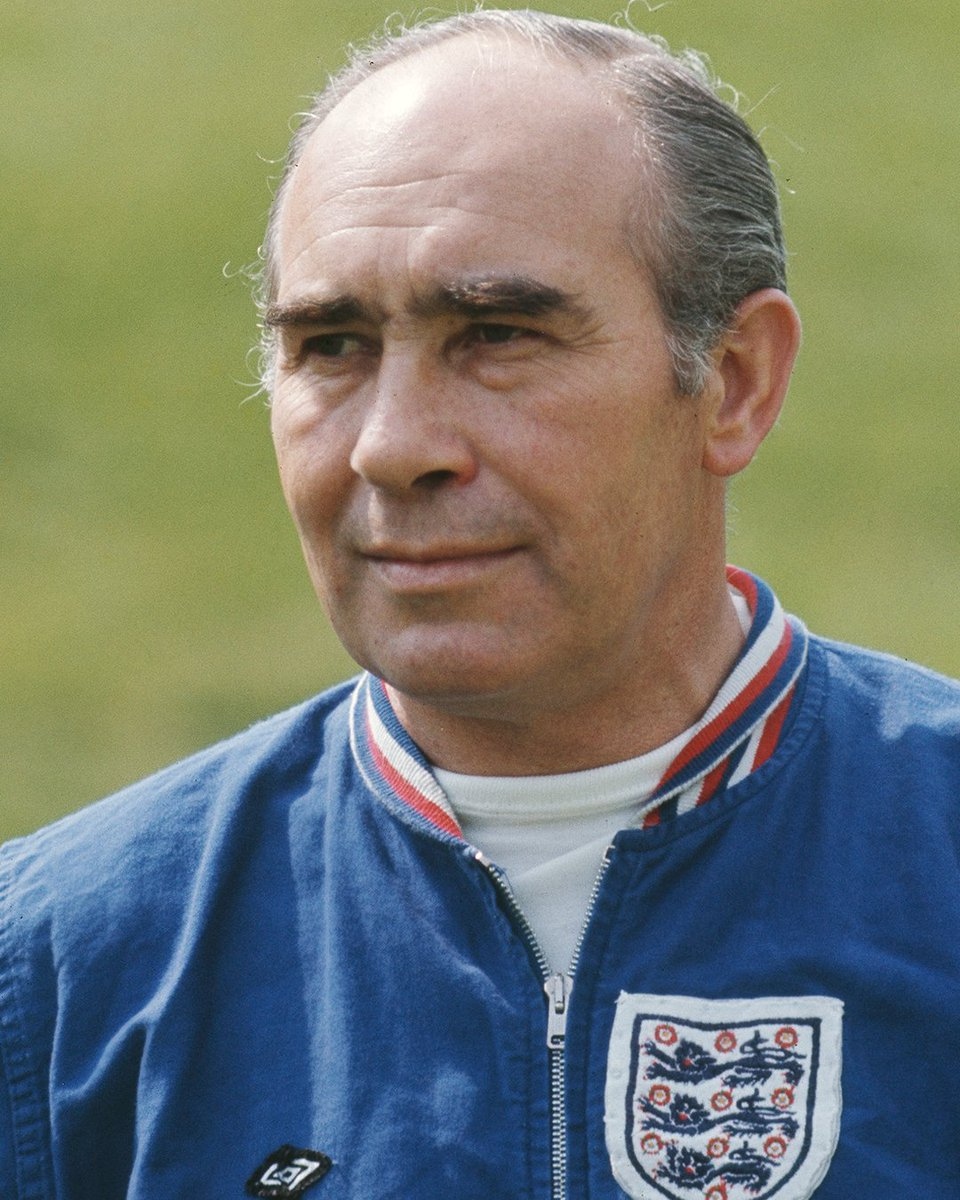
Source: https://x.com/England
Alf Ramsey’s place on this list rests on a single achievement, but it is one England has never repeated since. Guiding the hosts to World Cup glory in 1966, Ramsey built a side nicknamed “the Wingless Wonders” around a tactical shape that was genuinely ahead of its time. His willingness to abandon orthodox wingers for a more fluid system was a bold call that paid off on home soil.
- Won the 1966 World Cup as host nation manager
- Pioneered a 4-3-3/4-4-2 hybrid system uncommon for the era
- Remains England’s only World Cup-winning manager
- Knighted for his services to English football
#9 Carlos Bilardo | Argentina | 1986, 1990
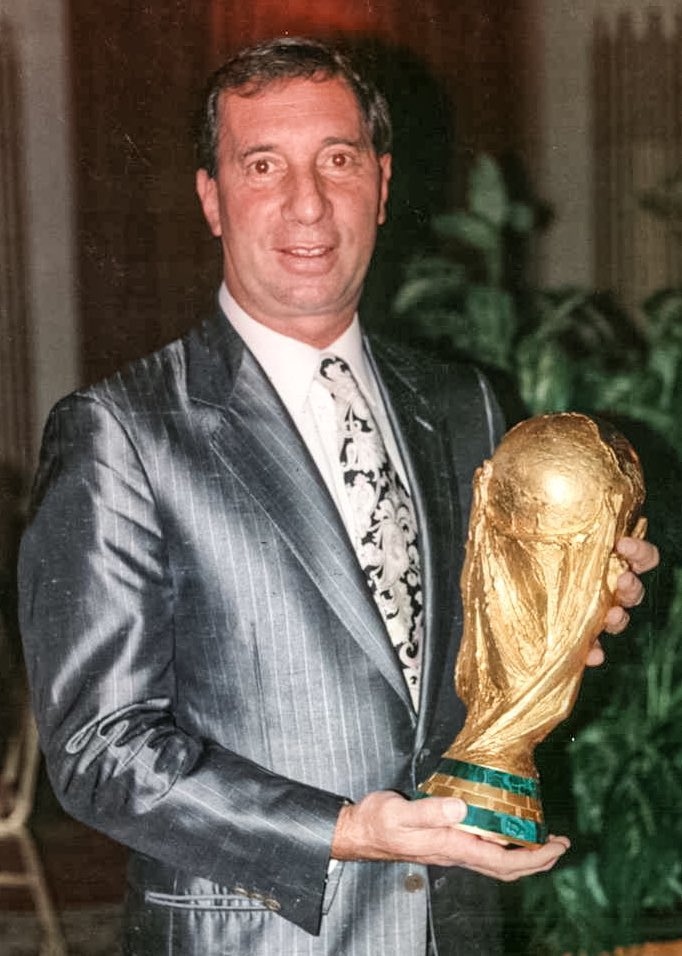
Source: https://x.com/AlbicelesteTalk
Carlos Bilardo delivered Argentina’s second World Cup in 1986, largely by building an entire system around getting the best out of Diego Maradona. His tactical discipline and defensive organisation gave Maradona the platform to produce arguably the greatest individual World Cup performance in history. Four years later, Bilardo dragged a weaker Argentina squad all the way back to the final.
- Champion in 1986, built the system that maximised Maradona’s genius
- Reached back-to-back finals in 1986 and 1990
- Pioneered a back three/five in Argentine football
- One of only a handful of managers to reach consecutive World Cup finals
#8 Lionel Scaloni | Argentina | 2022, 2026
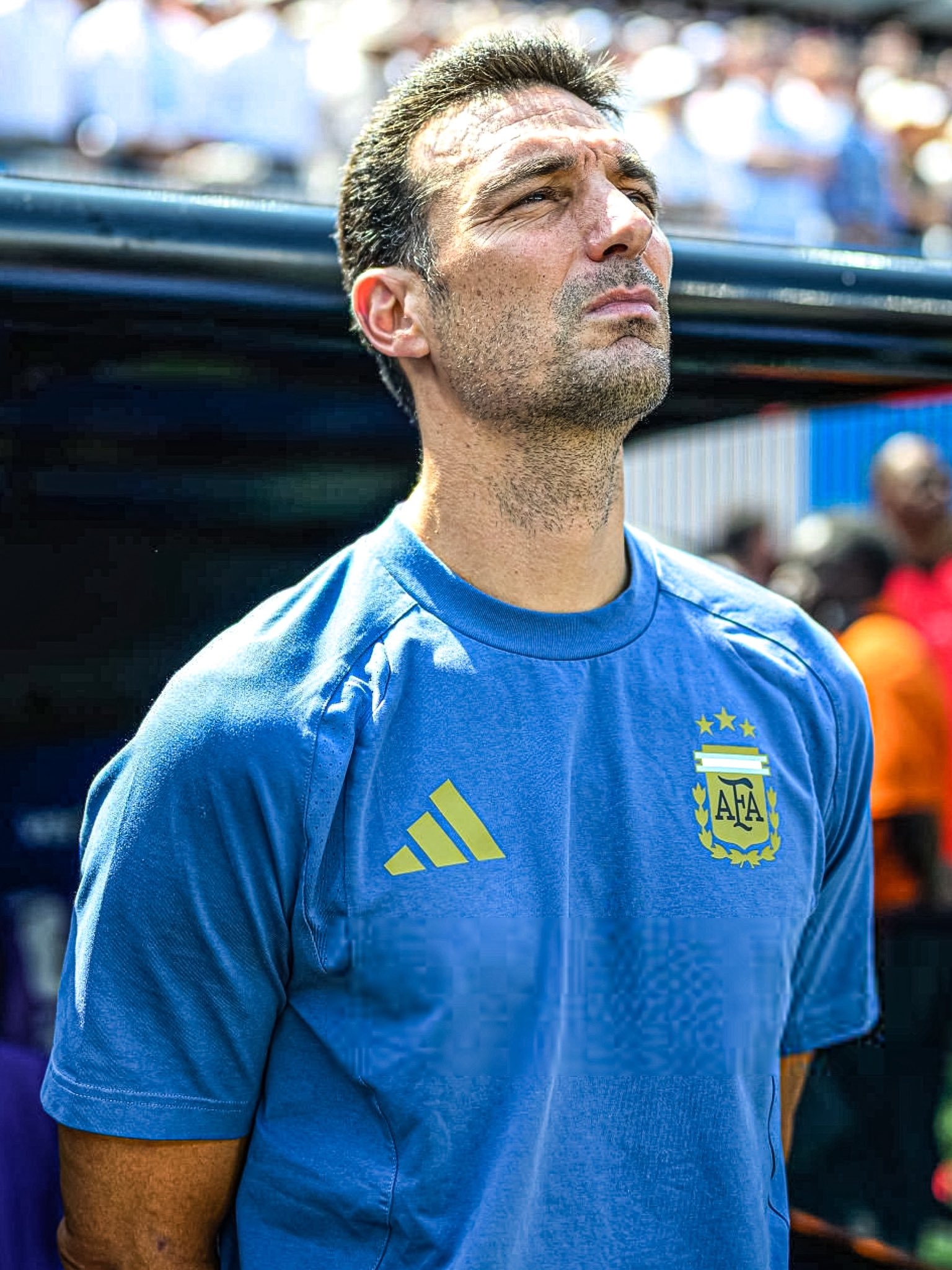
Source: https://x.com/dataref_ar
Lionel Scaloni took Argentina to the top of world football in 2022 with a title built on defensive solidity and Lionel Messi’s late-career brilliance, then backed it up with another final appearance in 2026. Managing that level of sustained success with the weight of Argentine expectation is no small feat. Few modern managers have combined a major trophy with immediate tournament follow-through so effectively.
- Champion in 2022, ending Argentina’s 36-year wait for the title
- Reached a second consecutive World Cup final in 2026
- Built a squad culture widely credited for restoring national team unity
- One of the youngest managers to win a World Cup in the modern era
#7 Enzo Bearzot | Italy | 1982
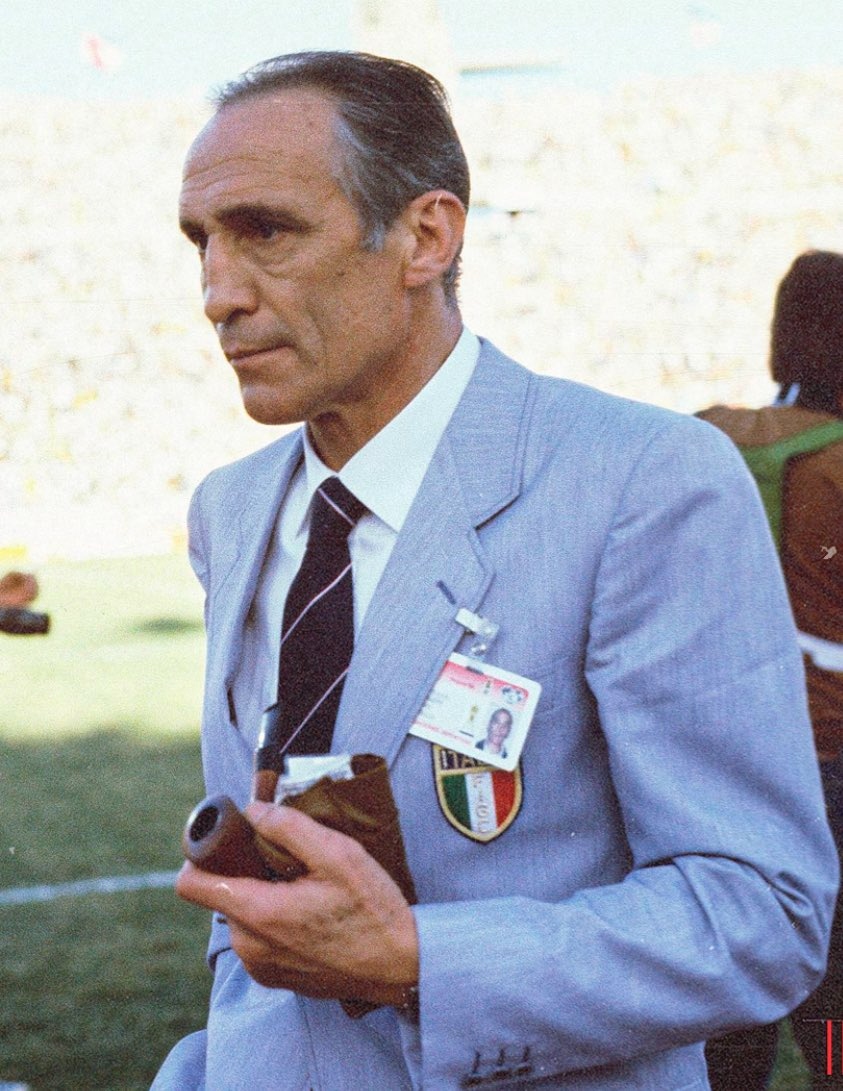
Source: https://x.com/aitorlagunas
Enzo Bearzot’s 1982 triumph is remembered as much for the manner of it as the result itself. He stuck by a struggling Paolo Rossi through a difficult group stage, and that faith was repaid with one of the great individual tournament runs in World Cup history. Bearzot’s calm authority held Italy together through public criticism before the team caught fire in the knockout rounds.
- Champion in 1982 after a slow start through the group stage
- Backed Paolo Rossi through criticism, unlocking a legendary knockout run
- Beat Brazil, Argentina, West Germany en route to the title
- Regarded as a defining figure in Italian football’s tactical identity
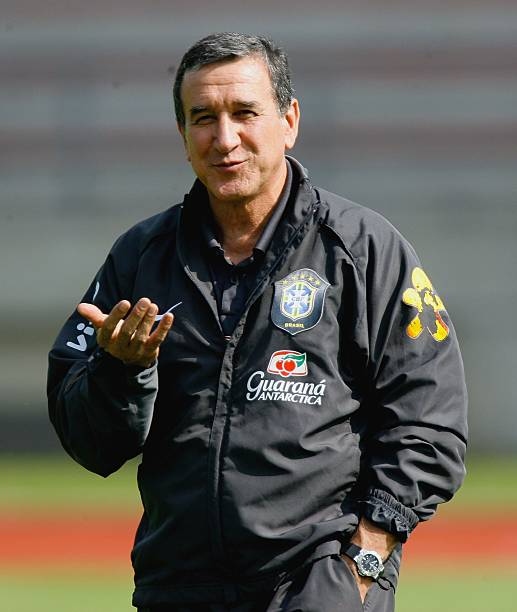
#6 Carlos Alberto Parreira | Brazil | 1982–2010
Source: https://x.com/nicowizzyikenna
Carlos Alberto Parreira’s longevity across six World Cups is unmatched by anyone else on this list. His 1994 title with Brazil ended a 24-year wait for the trophy, built on pragmatism rather than the flair Brazil was traditionally known for. That willingness to prioritise results over aesthetics made him a divisive but undeniably successful figure.
- Champion in 1994, ending Brazil’s 24-year World Cup drought
- Managed at six separate World Cups across four decades
- Shifted Brazilian football toward a more pragmatic, results-driven approach
- One of the most well-travelled international managers in World Cup history
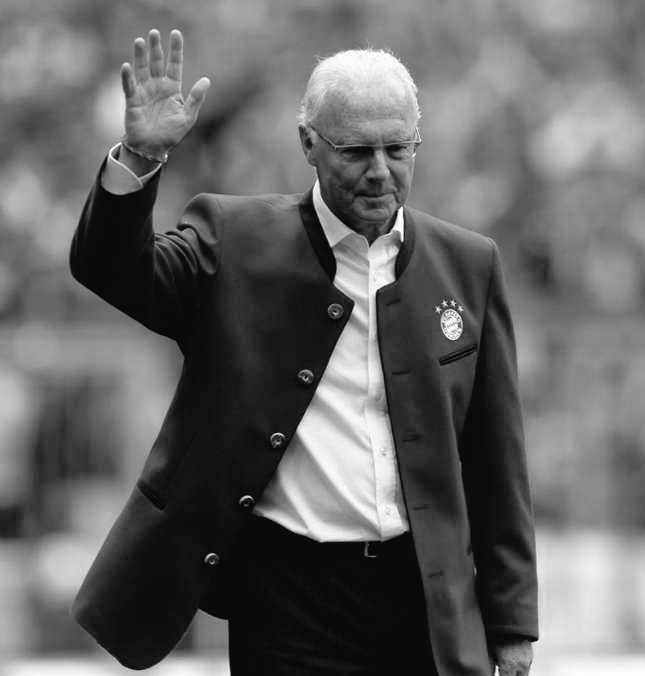
#5 Franz Beckenbauer | West Germany | 1986, 1990
Source: https://x.com/iMiaSanMia
Franz Beckenbauer is one of only three men to win the World Cup as both player and manager, and his 1990 triumph came after a heartbreaking final defeat just four years earlier. That capacity to learn from a runner-up finish and come back stronger sets him apart. Few figures carry the weight of authority Beckenbauer did in West German football.
- Champion in 1990, four years after losing the 1986 final
- Achieved the rare player-and-manager World Cup double
- Built a squad anchored by generational talents like Lothar Matthäus
- Regarded as one of German football’s most influential figures overall
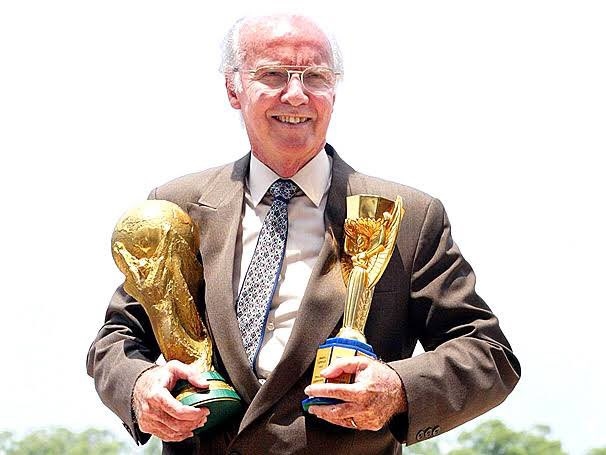
#4 Mário Zagallo | Brazil | 1958, 1962, 1970, 1974, 1994, 1998
Source: https://x.com/futnostalgico
Mário Zagallo’s involvement in Brazilian World Cup football spans nearly five decades and multiple roles, from title-winning player in 1958 and 1962, to title-winning head coach in 1970, to assistant coach on the 1994 champions. His 1970 Brazil side is still cited as the greatest international team ever assembled, and his fingerprints are on multiple generations of the national team’s success.
- Champion as head coach in 1970, with a side widely called football’s finest
- Also coached Brazil in 1974 (4th place) and reached the final again in 1998 (runner-up to France)
- Contributed to Brazil’s 1994 triumph as assistant coach under Carlos Alberto Parreira
- One of only three men to win the World Cup as both player and head coach (with Beckenbauer and Deschamps) — and the only one to also win in a staff role, for four titles across three capacities
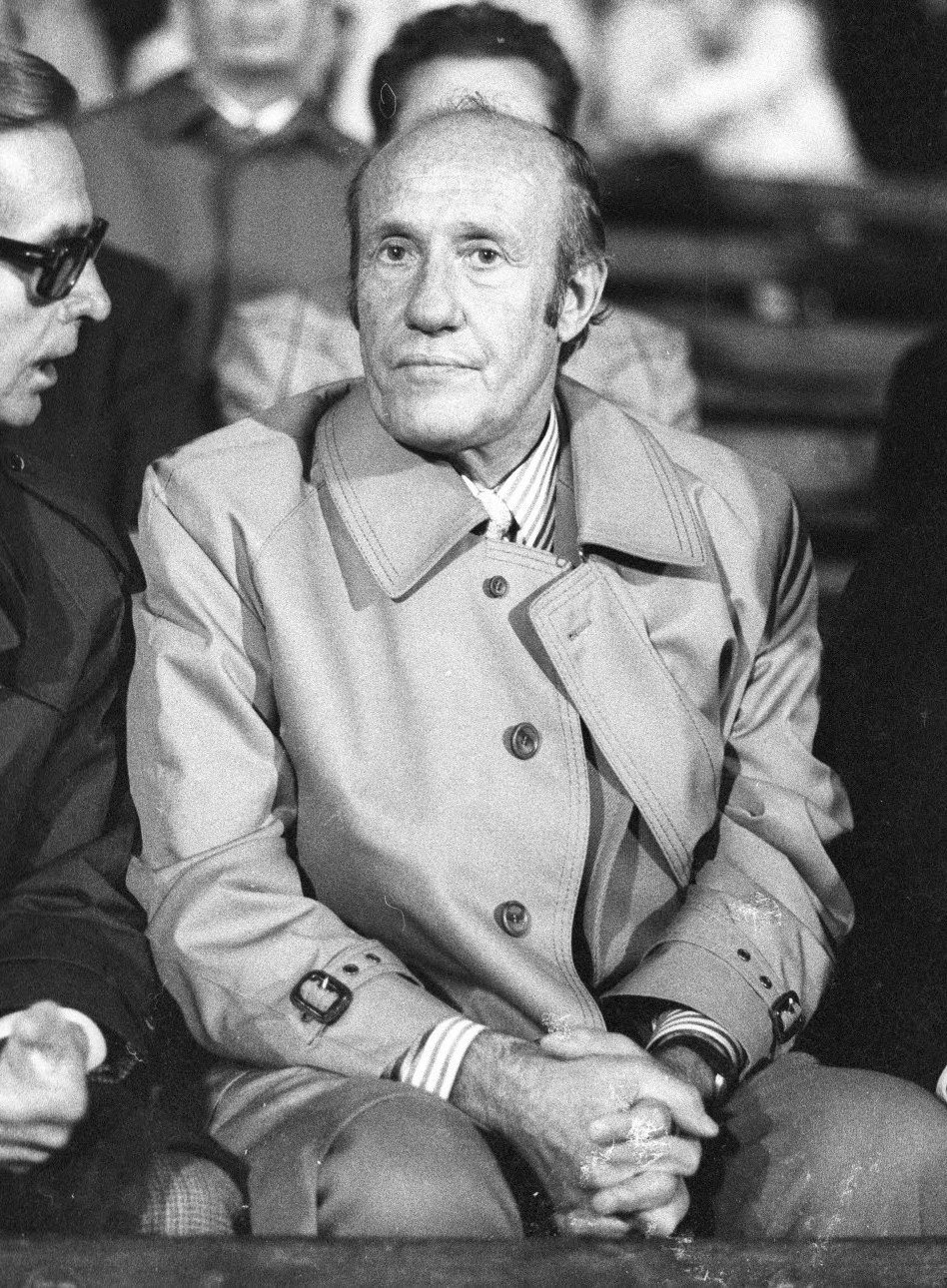
#3 Helmut Schön | West Germany | 1966, 1970, 1974
Source: https://x.com/agusnguagliardi
Helmut Schön reached the podium in three consecutive World Cups, a run of sustained excellence very few managers on this list can match. His 1974 title, won on home soil against a formidable Netherlands side, capped a run of finishes reading runner-up, third place, then champion. That trajectory of steady improvement across a decade is a testament to his squad-building.
- Champion in 1974, beating the Netherlands on home soil
- Runner-up in 1966, third place in 1970 — three straight podium finishes
- Managed West Germany for over a decade across multiple tournaments
- Built the core of the side later inherited by Beckenbauer as player and coach
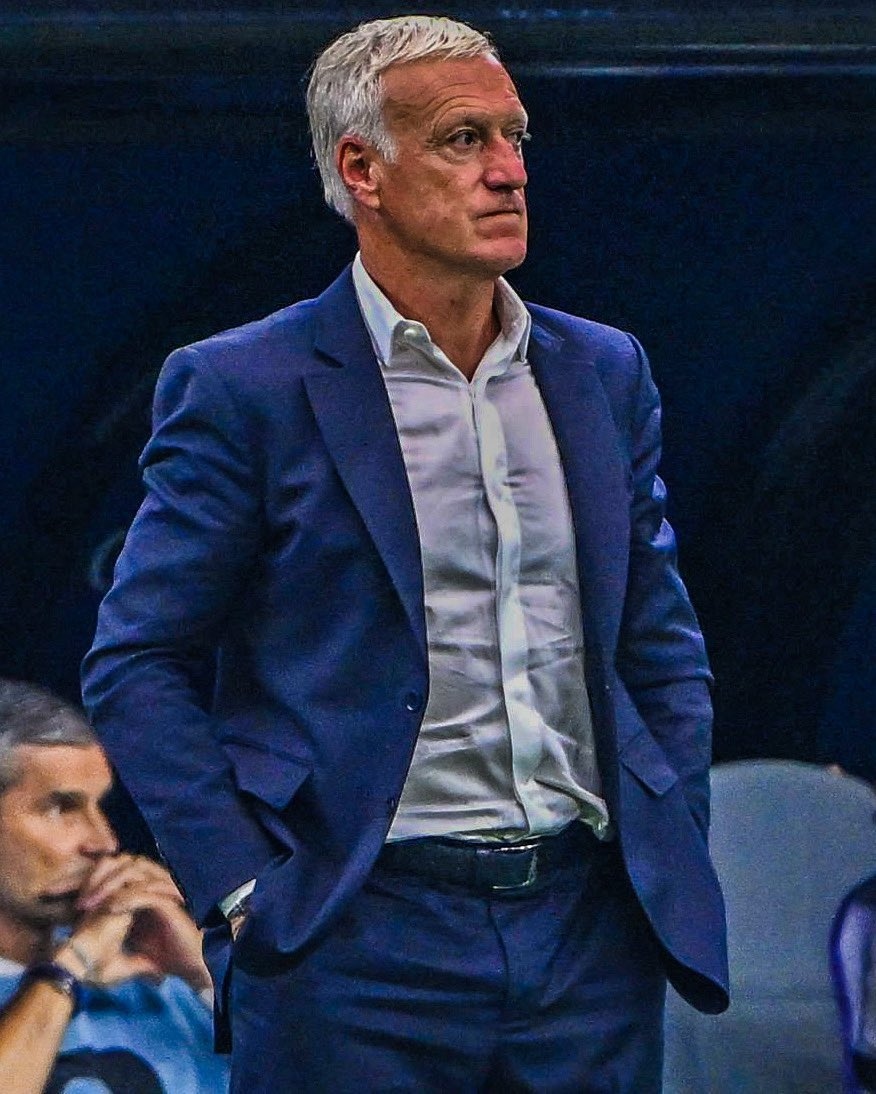
#2 Didier Deschamps | France | 2018, 2022, 2026
Source: https://x.com/eurofootcom
Didier Deschamps has taken France to the final or a semi-final in three straight World Cups, a level of sustained modern-era success matched by almost no one else. His 2018 title was built on defensive structure and elite individual talent, and he came agonisingly close to a repeat in 2022. Few managers have proven so durable at the very top of the international game.
- Champion in 2018, runner-up in 2022, semifinalist in 2026
- Reached the final in two of his last three World Cup campaigns
- One of only three men to win the World Cup as both player and manager
- Built France’s modern golden generation around a defence-first identity
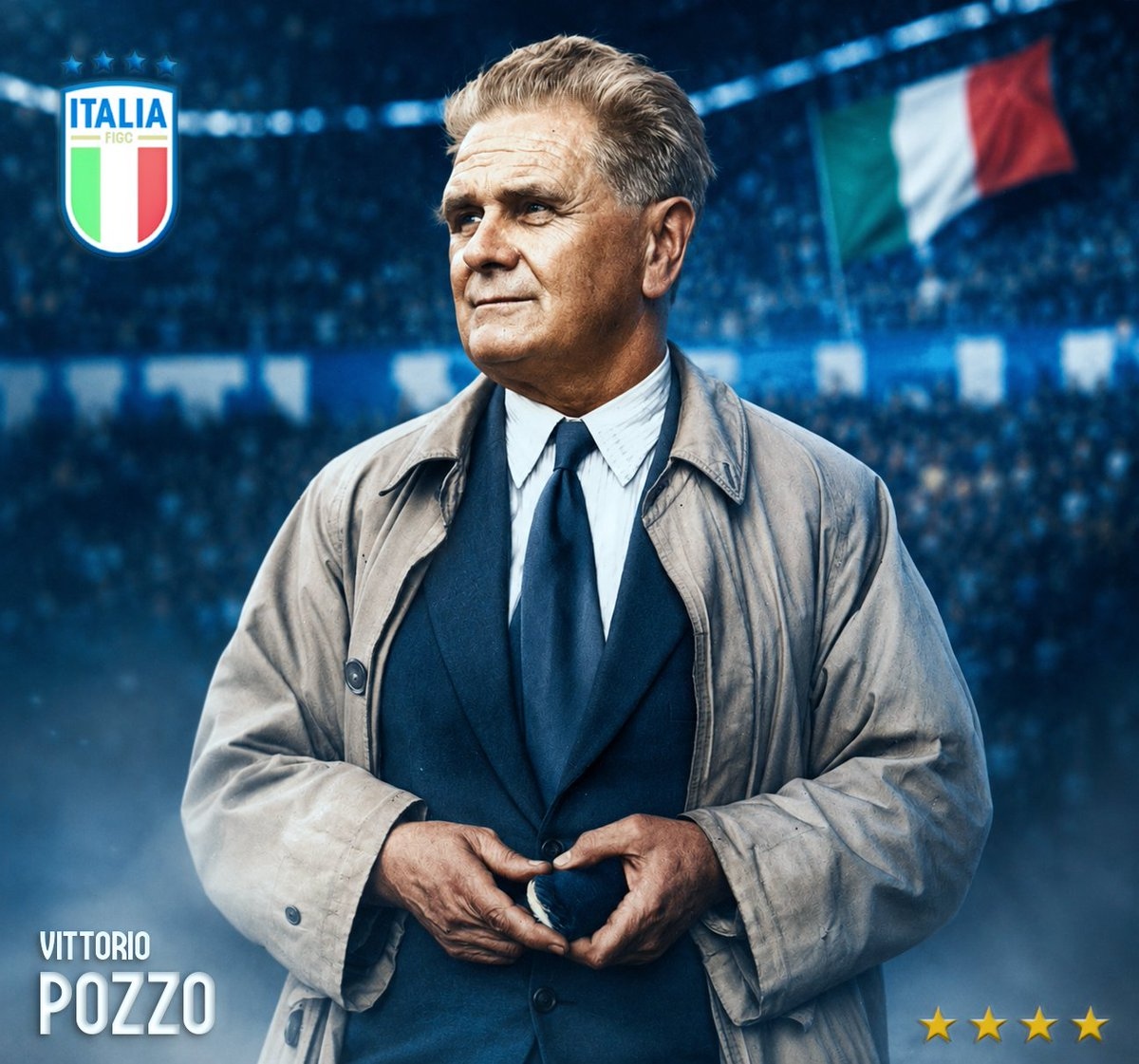
#1 Vittorio Pozzo | Italy | 1934, 1938
Source: https://x.com/aboutjclub_
Vittorio Pozzo stands alone at the top of this ranking, and it is not close. He remains the only manager in history to win back-to-back World Cups, doing so in 1934 and 1938 with two largely different squads, across two different tournament formats, under the pressures of a turbulent political era in Italian history. No one else has managed to repeat as champion, let alone under those conditions.
- Only manager ever to win consecutive World Cups, in 1934 and 1938
- Won with two distinct generations of Italian players
- His methods shaped Italian football’s tactical culture for decades
- Widely regarded as the greatest World Cup manager of all time
Honourable Mentions
Several outstanding managers fell just outside our top 10, and each has a legitimate claim to be considered among the greats.
- Luis de la Fuente (Spain, 2026) — guided Spain to the 2026 title, and while it’s early in assessing his full legacy, a single triumph already places him in rare company.
- Sepp Herberger (West Germany, 1954) — delivered West Germany’s stunning “Miracle of Bern” title against a heavily favoured Hungary side, a result still cited as one of the great World Cup upsets.
- Vicente del Bosque (Spain, 2010) — completed Spain’s golden generation with the 2010 title, built on the tiki-taka style that dominated world football for years.
- Luiz Felipe Scolari (Brazil, 2002) — won Brazil’s fifth title with a squad built around the “3 Rs,” Ronaldo, Rivaldo, and Ronaldinho, and his man-management of that attacking trio was central to the success.
- Rinus Michels (Netherlands, 1974) — though he fell short in the 1974 final, is remembered for exporting Total Football to the world stage through that Netherlands side.
These rankings are never static — a strong showing in the next World Cup could easily push any of these five into the top 10.
- Also read: Top 10 Players Who Never Won the World Cup
Legacy and Future of the Best World Cup Managers
Looking across this list, what stands out is how rarely true sustained World Cup success happens. Winning once takes talent and timing; winning twice, or reaching multiple finals, takes something closer to a system that outlasts any single generation of players. Pozzo, Deschamps, Zagallo, and Schön all prove that the very best World Cup managers build something that survives beyond one tournament cycle.
Looking ahead, Lionel Scaloni and Luis de la Fuente are the two figures best placed to climb this ranking in the years to come. Both have already shown they can win at the highest level; the question now is whether either can add the kind of second or third deep run that separates the merely great from the historically dominant.
As international football becomes more tactically sophisticated and squad depth more decisive, the managers who can consistently return to the latter stages of the World Cup will only become rarer — and more valuable.
Frequently Asked Questions
Who is considered the best World Cup manager of all time?
Vittorio Pozzo is widely regarded as the best, remaining the only manager to win back-to-back World Cups, in 1934 and 1938.
What criteria determine the best World Cup managers?
Final tournament results, consistency across multiple World Cups, strength of opposition faced, and lasting legacy on their national team.
Has any manager won the World Cup as both player and coach?
Yes — Franz Beckenbauer, Mário Zagallo, and Didier Deschamps have all achieved the player-and-manager World Cup double.
Does winning one World Cup alone make a manager one of the greatest?
Not necessarily — sustained success across multiple tournaments, like Schön’s or Deschamps’ finals runs, carries significant extra weight.
Which country has produced the most managers on this list?
Italy, Argentina, West Germany, and Brazil each have multiple representatives, reflecting their deep World Cup-winning histories.
Has Vittorio Pozzo’s record of consecutive titles ever been challenged?
No manager has won consecutive World Cups since Pozzo in 1934 and 1938, making his record the longest-standing in the competition’s history.
What makes Didier Deschamps stand out among modern managers?
His ability to reach the final or a semifinal in three consecutive World Cups (2018, 2022, 2026) is unmatched in the modern era.